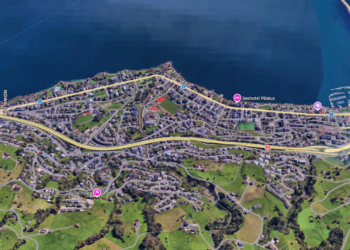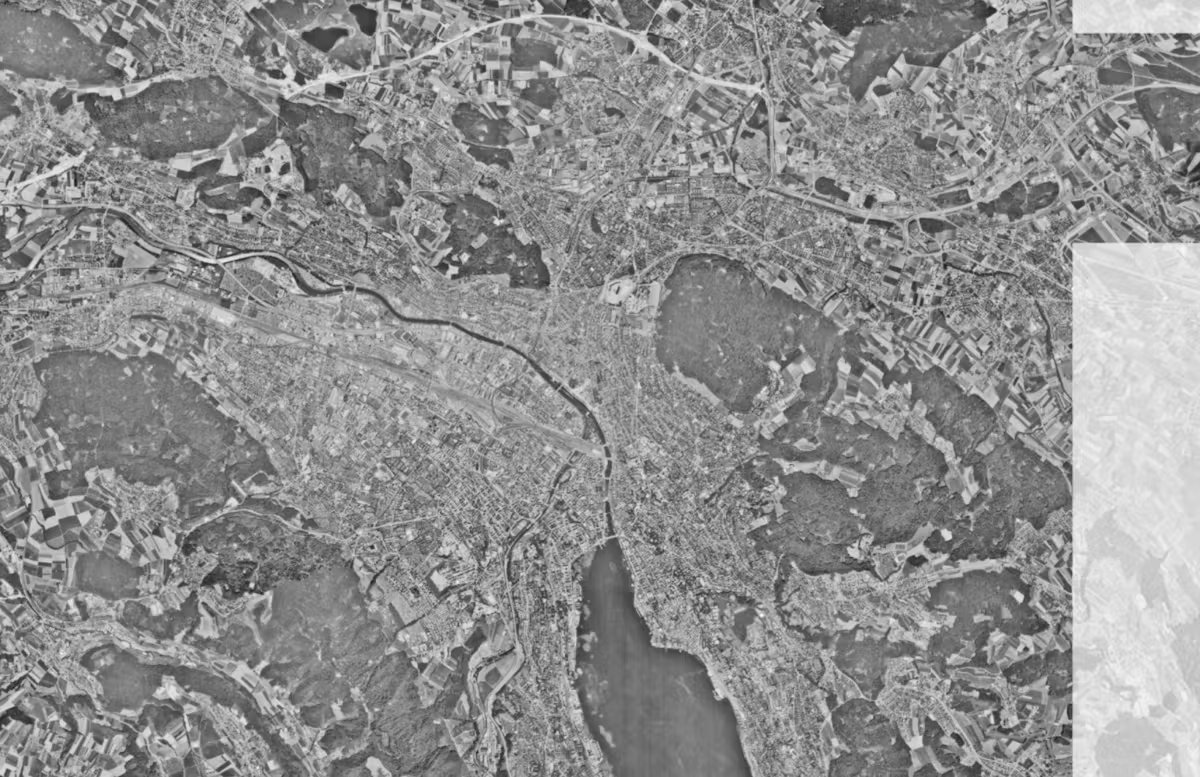

- Overall, a journey through 45 years of Swiss urban development shows a two-part picture: large cities and agglomerations grew rapidly, Alpine villages shrank.
- Spreitenbach is an example of change: former agricultural areas gave way to shopping centers, residential areas and transport infrastructure.
- In most cases, the drivers are economic growth and better transport connections. The opposite of this, however, is causing a decline in population in the villages.
The Swiss population is grown by 2.75 million people since 1980. This is also evident in the major Swiss cities and their agglomerations. 20 Minutes takes you on a journey through time through the last 45 years and shows how much the cities have expanded – and where some have shrunk.
Zurich

In 1980, the greater Zurich area had around a million inhabitants; in 2026 there will be around 1.5 million. The growth was driven by the expansion of the financial sector, international immigration, the rise of the technology sectors and the expansion of Zurich Airport. Former industrial areas such as Zurich West have been transformed into densely built, mixed-use districts.
The shrinking villages of Switzerland
While major Swiss cities and agglomerations have grown rapidly over the last 45 years, a different picture has developed in parts of the Alps and other peripheral regions. Villages such as Albinen in Valais, Corippo and Bosco Gurin in Ticino, as well as several communities in the Safien, Goms and Bavona valleys have experienced decades of population decline or stagnation.

Many younger residents moved to larger cities in search of educational and employment opportunities, while the aging population remained behind. In some places, schools, shops and local services disappeared as the number of permanent residents fell.

Corippo, once home to hundreds of people, became one of Switzerland’s smallest municipalities, while Albinen gained international attention by offering financial incentives to lure newcomers. Tourism has helped some villages survive, but has often led to an increase in second homes rather than an increase in permanent residents.
Lausanne

The Lausanne metropolitan area grew from a population of around 300,000 people in 1980 to around 460,000 today. The growth of universities and industries that benefit from universities attracted highly qualified workers – from Switzerland and abroad. Urbanization spread continuously along the Lake Geneva shore towards Morges.
Train

The Zug metropolitan area has almost doubled from around 80,000 inhabitants in 1980 to around 150,000 today. Favorable corporate taxes attracted multinational corporations and wealthy individuals. More recently, the emergence of “Crypto Valley” has strengthened its international profile. The result was intensive residential and commercial development around what was once a small regional center. Zug is also extremely popular with wealthy immigrants due to its tax policy.
Geneva

The greater Geneva area grew from around 390,000 inhabitants in 1980 to around 630,000 today. International organizations, banking and multinational corporations attracted both jobs and local residents. The housing shortage in the canton meant that growth spread to surrounding communities and across the French border. As a result, Geneva developed into one of the most integrated cross-border metropolitan regions in Europe.
Spreitenbach

Spreitenbach has undergone one of the most significant processes of change in Switzerland. The population of Spreitenbach rose from around 7,000 in 1980 to around 12,000 today, while the surrounding urban area expanded even faster. Large shopping centers, residential areas and transport infrastructure replaced former agricultural areas.
What does the change in where you live mean to you over time?
Winterthur

The population of Winterthur has grown from around 100,000 in the last 40 years to around 150,000 today. The city, which was once dominated by the manufacturing sector, has transformed into an education, service and commuter center within the Zurich metropolitan region. Former factory premises have been converted into living space, offices and cultural spaces.
Vevey
The population of the area around Vevey and Montreux rose from around 60,000 to around 85,000 today. Tourism, international companies and the immigration of pensioners contributed equally to this growth. Urban development gradually closed the gaps between the lakeshore communities.
Lugano

The population of the Lugano region rose from around 105,000 in 1980 to around 155,000 today. Growth was driven by the financial sector, tourism and increasing ties with northern Italy. Development spread across the hillsides and surrounding communities.
Everything about the “No 10 Million Switzerland” initiative
On June 14, 2026, Swiss voters will vote on the SVP’s “No 10 Million Switzerland” initiative – officially the “Sustainability Initiative”. All information at a glance:
That’s what Switzerland says
Focus on immigration
Focus on density stress and housing crisis
Focus on the labor market and social system
Opinions
Miscellaneous

Jan Janssen (jjn) has been working for 20 minutes since 2023. First in the Zurich department and since 2025 in the News, Business & Video Reports department.