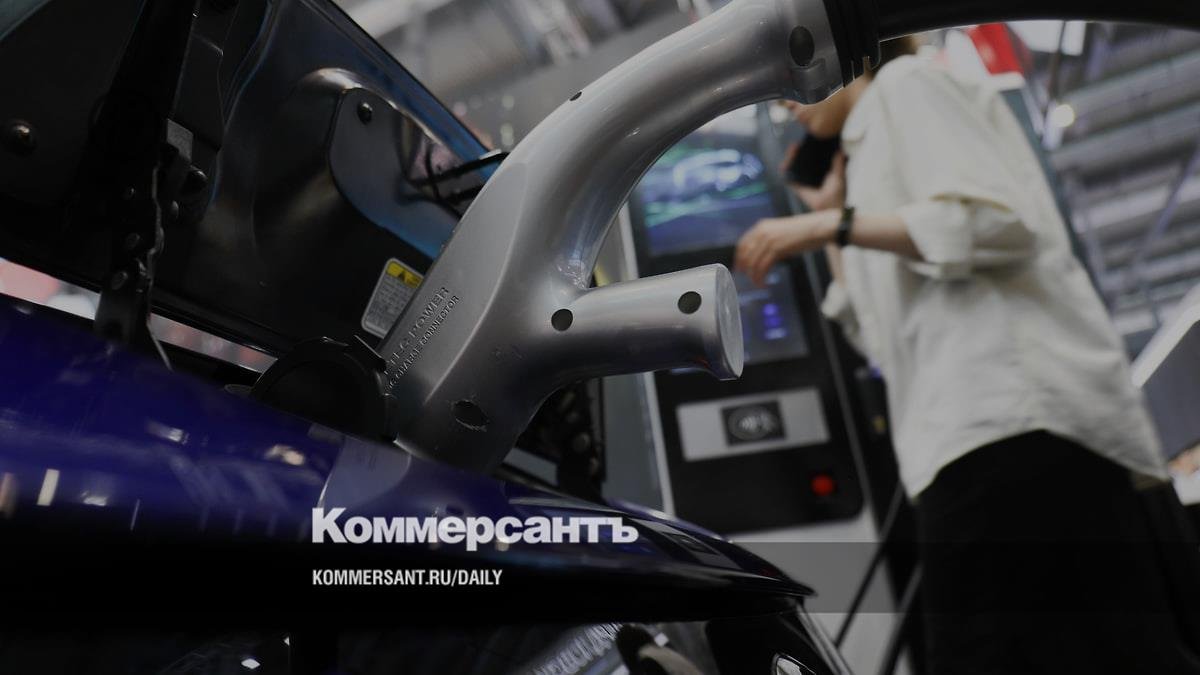
The operator of electric charging stations PUNKT E acquired the business from another major player in the market – Sitronics Electro. This will increase the overall network load, while the company expects a slowdown in the construction of charging infrastructure by competitors. According to experts, the cost of the transaction should be in the range of 1.4–2.9 billion rubles.
The operator of electric charging stations (ECS) PUNKT E acquired the Sitronics Electro business from Sitronics Group, one of the largest players in the market. Thus, PUNKT E will become the largest operator of electric charging stations; the total network of charging stations will increase to 1.6 thousand units in more than 60 regions of Russia and two CIS countries. The deal covers a network of electric charging stations, a mobile application, monitoring and dispatching systems for electric vehicles, as well as the business of designing and constructing charging hubs.
One of the main problems that EPS operators have recently faced is the low load of electric charging stations.
The deal, as they say at PUNKT E, will combine the infrastructure, IT platforms and customer bases of the two companies, which will increase the overall network load.
In addition, PUNKT E will for the first time design and build charging infrastructure for municipal vehicles and electric buses. At the same time, Sitronics Group will continue to develop and produce charging equipment.
PUNKT E told Kommersant that charging stations are a network business with a large impact of economies of scale, and through the transaction the company will double the size of the network and will be able to optimize the total costs of its maintenance and operation. Currently, the load on PUNKT E is one and a half times higher than the market average, and by acquiring new stations, the company plans to increase the load on them by its customers. PUNKT E also expects that the construction of new charging infrastructure by competitors will slow down, so the load on current stations will gradually increase following the growth of the fleet of electric vehicles and hybrids.
President of Sitronics Group Alexey Marukhin told Kommersant that exiting the operator’s electric charging business is part of the strategy of the group of companies, which entered the electric mobility market in 2021, at the stage of its formation.
The decision to sell is related to the focus on areas where Sitronics Group has maximum expertise and the greatest growth potential.
The average utilization of Sitronics EPS, as Mr. Marukhin clarifies, was the same as that of other players, the market is at the stage of formation and the utilization of EPS has room to grow. The company will now focus on the development and production of solutions for electromobility, autonomous navigation and coastal systems.
Johannes-Cornelius Rostovsky from Euler – Analytical Technologies notes that at the end of 2025, Sitronics Group showed a loss of 2.4 billion rubles for the first time in five years. The sale of the operator business, according to the analyst, will allow the company to focus on its key equipment production business and reduce its debt burden. PUNKT E, through asset consolidation, will be able to increase the scale and efficiency of the charging fleet and occupy more than 20% of the total public fleet of fast electric filling stations in the country.
The average margin of the EZS operator business is about 20–22%, and the average payback period is about three years, adds Mr. Rostovsky. The book value of the assets of a portfolio of 900 EPS can be estimated at 1.4–2.9 billion rubles, the expert calculated, and using an increasing factor to take into account the existing customer base and existing contracts for the installation and operation of EPS, the estimated transaction price could be 2.2–4.3 billion RUR.
Consolidation of the electric charging business is a logical and natural process: a network business can increase its efficiency only by scaling, says Armen Safaryan, Chairman of the Association of Manufacturers and Operators of Electric Charging Stations.
According to him, the Russian charging infrastructure market has so far remained highly fragmented, with the main increase in the electric vehicle fleet now coming through the B2B segment (corporate parks, taxi fleets). Such players need a partner with the broadest possible federal coverage and uniform high quality standards, and the deal fulfills exactly this request in a timely manner.