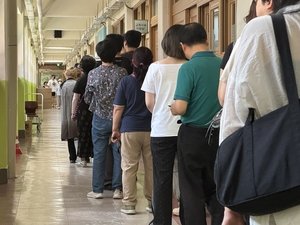
From martial law to redevelopment, voters brought a mix of national and local concerns to the polls
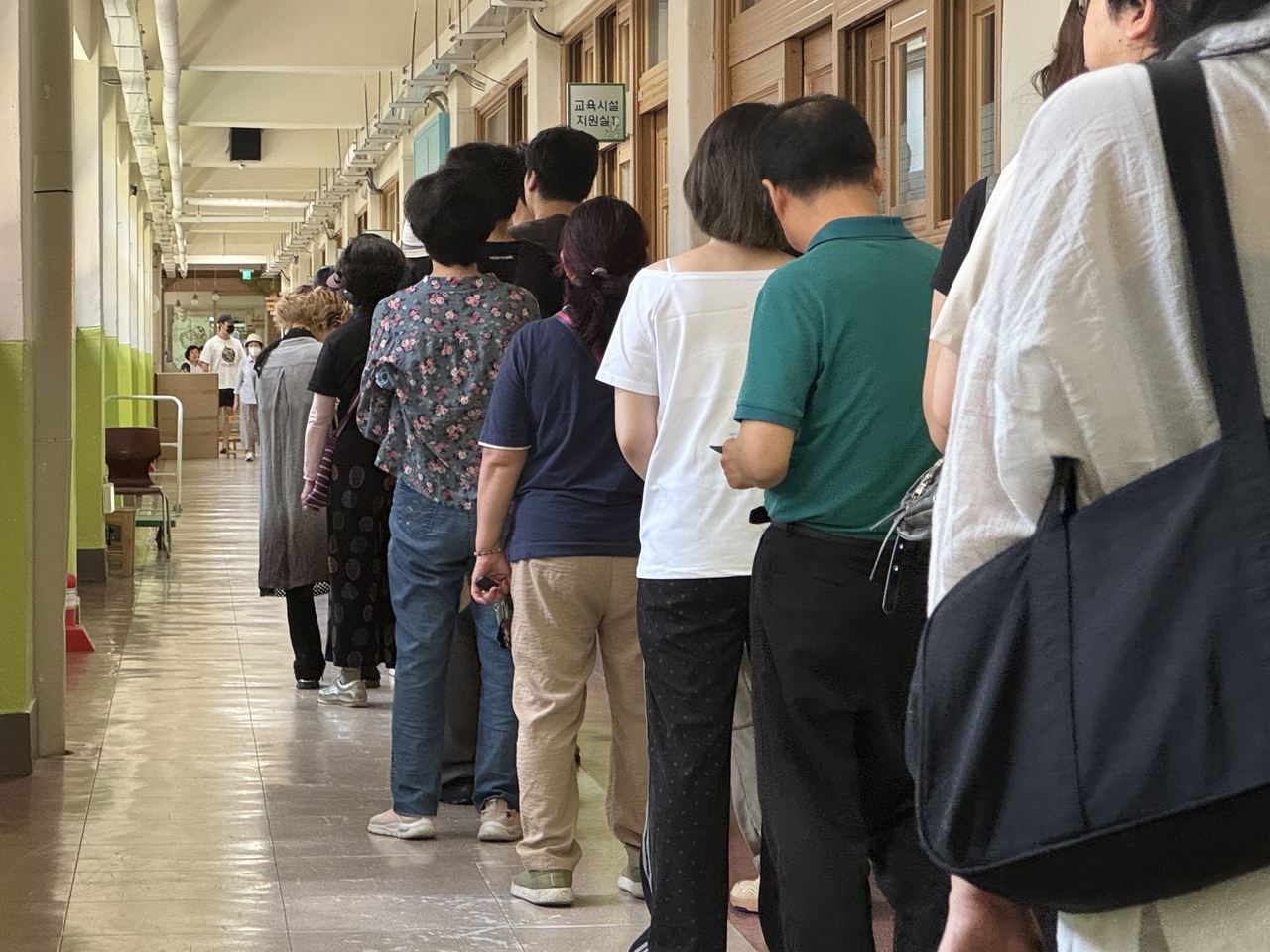
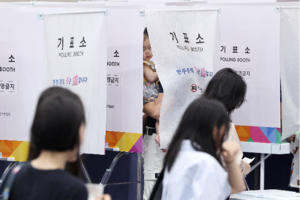
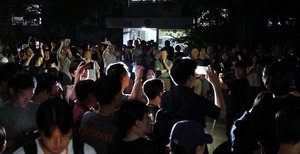
At polling stations across Seoul on Wednesday, voters lined up to choose local leaders. But for many, the issues on their minds reached far beyond city hall or district offices.
From martial law and party rivalry to real estate policy and taxes, voters interviewed by The Korea Herald said national politics played a major role in their choices in races meant to decide mayors, governors, education superintendents and local council members.
Before the early summer heat had fully set in, residents in light clothing began lining up inside an elementary school in Seocho, southern Seoul. Some arrived holding their family members’ hands, while others waited quietly with their arms folded.
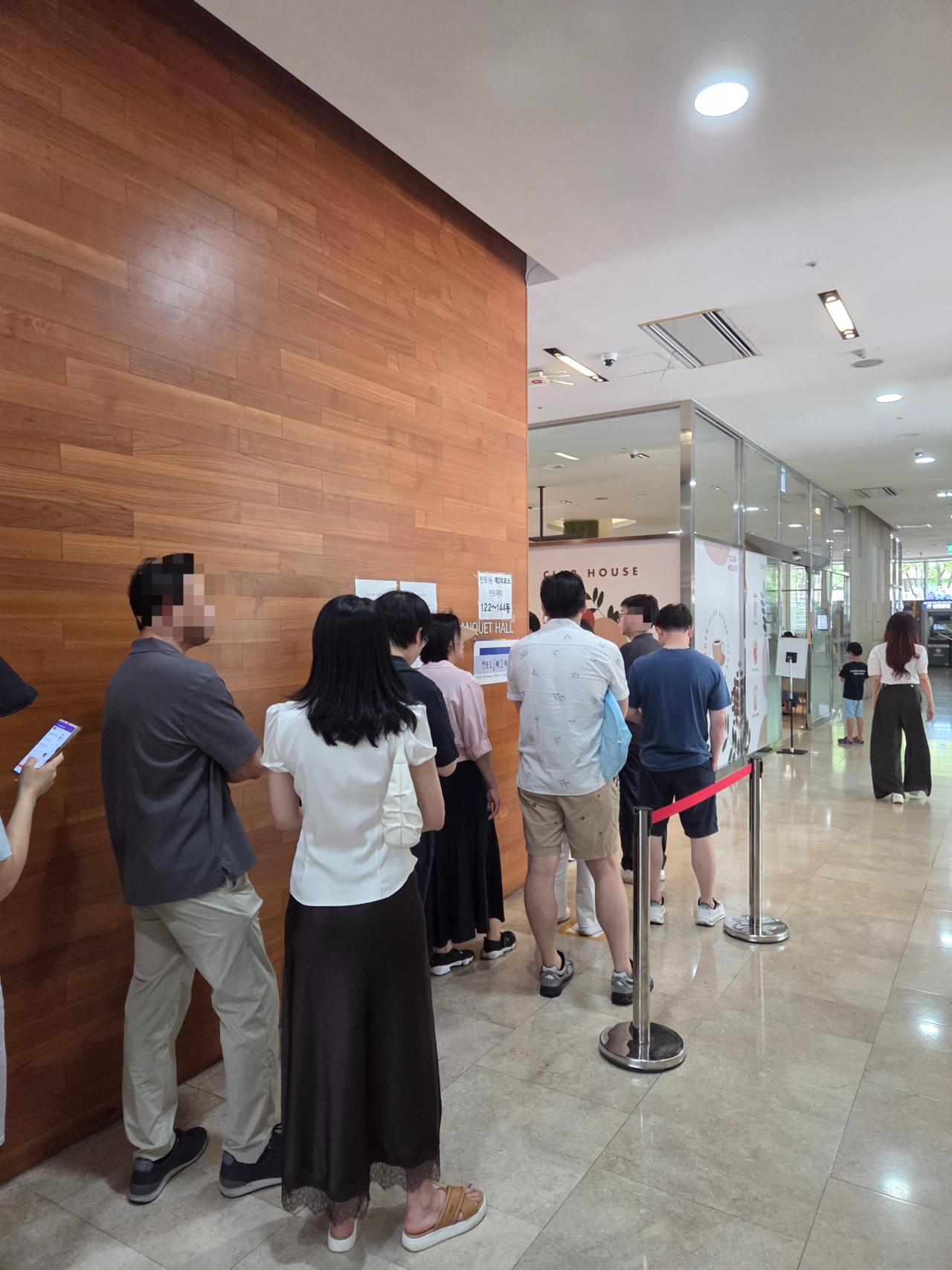
Kwon Ye-ji, a woman in her early 20s at a polling station in Wonchon Middle School in Seocho, said she considered national issues such as real estate and taxes, “which I believe will shape Korea’s future.”
Similar views were heard from voters with different political leanings, with many placing national issues above assessments of incumbent local administrations or specific local projects.
“After the martial law, the country was in chaos, but it has recently begun to settle back into place,” said Lee Dong-hee, a 55-year-old resident of Noryangjin, Dongjak-gu, central Seoul. “I voted to help ensure a firmer process.”
Yoon’s failed attempt at martial law, which triggered mass protests and eventually led to his impeachment, has been widely cited as a factor that drew previously disengaged citizens into politics. It continues to shape public sentiment under President Lee Jae Myung’s administration.
“I used to not care about politics, thinking it didn’t matter either way,” said Jang So-ra, a 43-year-old Noryangjin resident who visited the polling station with her husband and daughter. “But after the martial law situation, I started thinking more seriously about what a better choice would be and reading policies more closely.”
As in previous presidential and parliamentary elections, some voters appeared to signal their political leanings through their clothing.
Blue, associated with the Democratic Party of Korea, was worn by supporters of the ruling bloc, while red, associated with the People Power Party, was sported by voters critical of the administration.
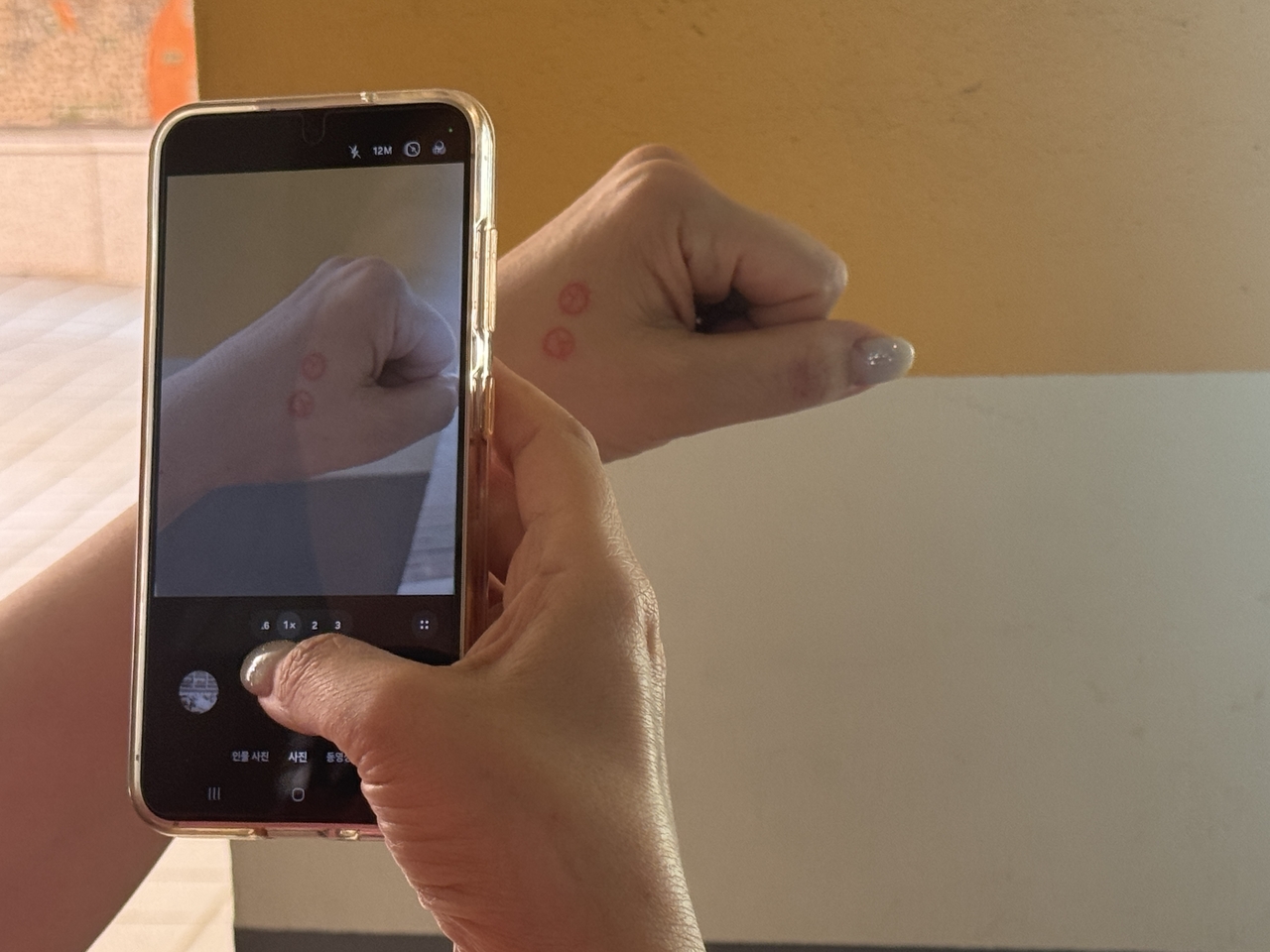
Still, national politics was not the only factor. Some voters said more localized concerns, from burdens on small businesses to redevelopment in their neighborhoods, also weighed on their choices.
Choi Jun-hyeok, a 31-year-old resident of Mangwon-dong in Mapo-gu who was voting in a Seoul mayoral election for the first time, said he hoped the next mayor would better balance public safety with the needs of small business owners during local events.
“Mapo is a neighborhood with a lot of foot traffic, but since the Itaewon crowd crush, officials seem to have become overly sensitive about safety whenever events are held,” Choi said. “Restaurants are often asked to make sacrifices without proper consultation, even though events are when small business owners are supposed to make money.”
In Seocho, where redevelopment has been a major issue, a woman in her 50s surnamed Park said housing was her main concern in the mayoral race.
“I especially cared about newly built apartments and the renovation of old apartments,” Park said.
She also cited the records of previous district mayors, saying their work affected her decision. “I saw how they made life easier overall,” she said.
Foreign national voters were also seen at polling stations.
In Korea, foreign nationals are eligible to vote in local elections if they have held permanent residency status for more than three years. However, many still face barriers in accessing information about candidates and policies, while few campaign pledges directly target foreign residents.
“It feels strange. In local elections, I don’t know much,” said Peter Davies, 51, from the United Kingdom, who said he even cast a blank ballot in the vote for superintendent of education. “I’m not complaining, but I don’t feel connected to this community. No one wants to talk to me.”
“It’s hard to understand the policies,” he added. “You need to be fluent in Korean to engage properly. I wasn’t informed enough.”
The number of eligible foreign national voters reached a record 151,532 for this year’s local elections, but turnout among foreign voters has remained low. In the 2022 local elections, their turnout stood at around 13 percent, less than a quarter of the turnout among Korean voters.
forestjs@heraldcorp.com
mjcha@heraldcorp.com
shwang9@heraldcorp.com