SPONSORED CONTENT
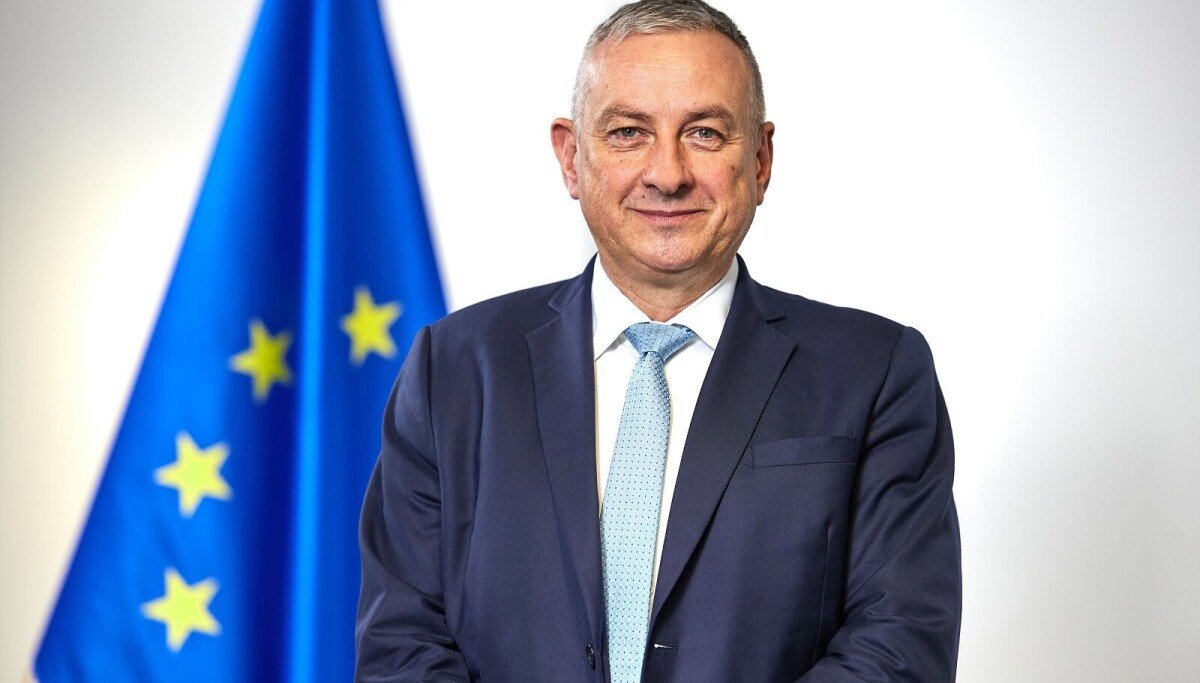
Greenland has had a partnership with the EU for 40 years. The main priorities have been fishing and education, but in recent years the partnership has expanded to a large number of other areas. In the latest budget, Greenland stands for a doubling of support, says EU Commissioner Jozef Síkela, who will give a presentation during the Future Greenland conference.
The EU Commission will double its support for Greenland in the next budget.
In addition, a larger investment package is being prepared in dialogue with the Greenlandic authorities.
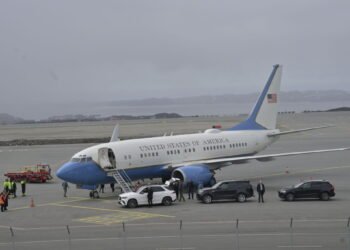
This is according to EU Commissioner for International Partnerships, Jozef Síkela, who is visiting the Future Greenland conference on 19-20. May.
– We have identified a number of areas where we should increase our investments. The Commission has proposed to more than double the EU’s support for Greenland in the next budget. In addition, a strong investment package is being prepared in dialogue with the Greenlandic authorities. Commission President Ursula von der Leyen will present it during her visit later this year. There is one thing I would like to emphasize: Whatever we invest in, it will meet the highest environmental and social standards – Greenland’s and Europe’s. It is not up for negotiation for us, and I know that it is not up for negotiation for Greenland. Investments that do not bring real benefits to local communities are not the kind of investments we want to be a part of, says Jozef Síkela.
A partnership without pressure
According to the commissioner, Greenland can play a much larger role in securing the EU’s supply of critical raw materials:
– Greenland possesses significant deposits of materials that Europe needs for its industry and defense: Graphite, molybdenum, rare earths, etc. Europe needs reliable, transparent supply chains, built together with partners who share our values. It is the basis of cooperation. So how it happens matters more than whether it happens. Our approach is partnership, not pressure. We support a responsible development of the entire sector, i.e. capacity building, regulatory framework and links with European industry and investors.
Green energy solutions
How can the EU support green transition and energy independence in Greenland?
– By doing the practical work, project by project. We are already working together with the Ministry of Energy, Nukissiorfiit, Nunagreen and mining companies, and we also plan to work on creating green energy solutions with agriculture in South Greenland.
– We must reduce dependence on imported fossil fuels. Climate change is a challenge that no country can solve alone. Greenland is in the front line. Europe is a serious partner in standing up to and ensuring a sustainable and local adaptation in accordance with what Greenland itself wants to do.
Development of hydropower
Does the EU see potential in Greenland as a partner in renewable energy, such as hydropower or Power-to-X?
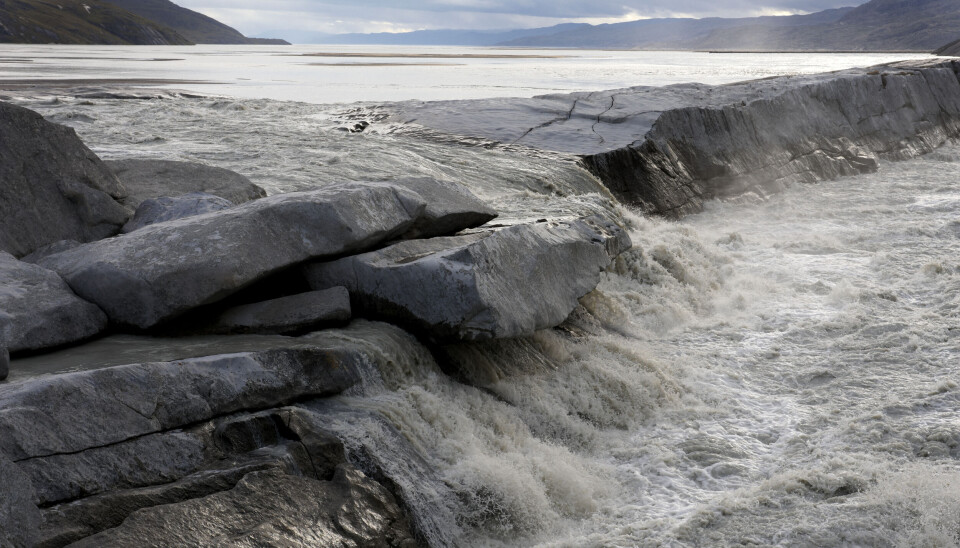
– Of course. There is great potential and we are already supporting the development of hydropower. Both commercial projects such as Tasersiaq and the expansion of public hydropower capacity through Nukissiorfiit. Looking ahead, Power-to-X is a real possibility. Greenland has the renewable energy resources. Europe has the industrial demand and the technology. Bringing these together can open completely new value chains with benefits that will be felt in Greenland. This is exactly the kind of cooperation we want to develop, says Jozef Síkela.
A region of peaceful cooperation
How does the EU view Greenland’s role in ensuring security and stability in the Arctic? And how can the EU support it?
– The Arctic must remain a region of peaceful cooperation. Europe has learned the hard way how disastrous any other development can be, and the European Union is at its core a peace project that has helped transform a conflict-ridden region into the superpower we are today.
Sovereignty and territorial integrity are not negotiable.
– Based on this, the EU fully supports Greenland, the Kingdom of Denmark and its population, so that they can always freely and without external pressure decide on their own future. Sovereignty and territorial integrity are not negotiable, says Jozef Síkela and adds that Greenland plays a very important role in the region and that EU cooperation reflects this.
– It is the practical conditions that make people feel safe in a region where the distances are great and the conditions are harsh. This is part of a much wider EU engagement in the Arctic, together with our Member States and partners such as Norway and Iceland. And that is one of the main reasons why I come to Nuuk during the Future Greenland conference.
Cooperation must be strengthened
How do you see Greenland’s long-term strategic role within the EU’s international partnerships? Are there concrete plans or ideas?
– The direction is clear: the cooperation must become stronger, more long-term and built around our common priorities.
– Two years ago we opened an EU office in Nuuk, and I believe that the more intensive dialogue is yielding results. We will continue to invest in the collaboration with a focus on the common priorities: climate, energy supply and digital technologies.
– There is a real reciprocity. Greenland wants a more diversified economy and Europe needs sustainable, robust value chains. This creates opportunities for both parties. We talk both with Naalakkersuisut and with companies, local communities and with the young people. And I will continue these conversations during my visit to Nuuk, says Jozef Síkela.
Advertiser-paid content brought in collaboration with Grønlands Erhverv.