Two composers rework Korean tradition through orchestral and concerto forms
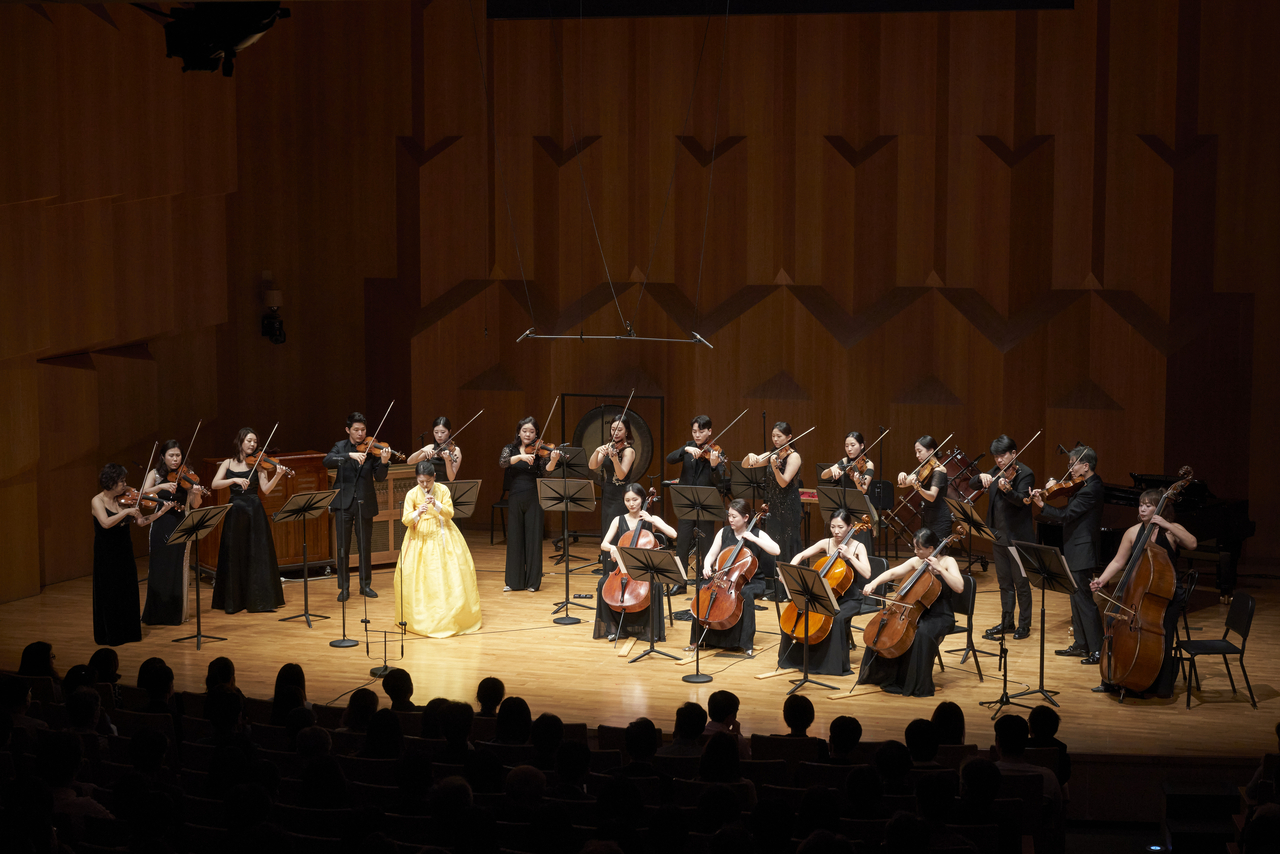
A 600-year-old cornerstone of Korean traditional music is being reworked for the Western chamber orchestra, as Joy of Strings presents “Metamorphosis: Yeongsanhoesang” May 26 at the Seoul Arts Center.
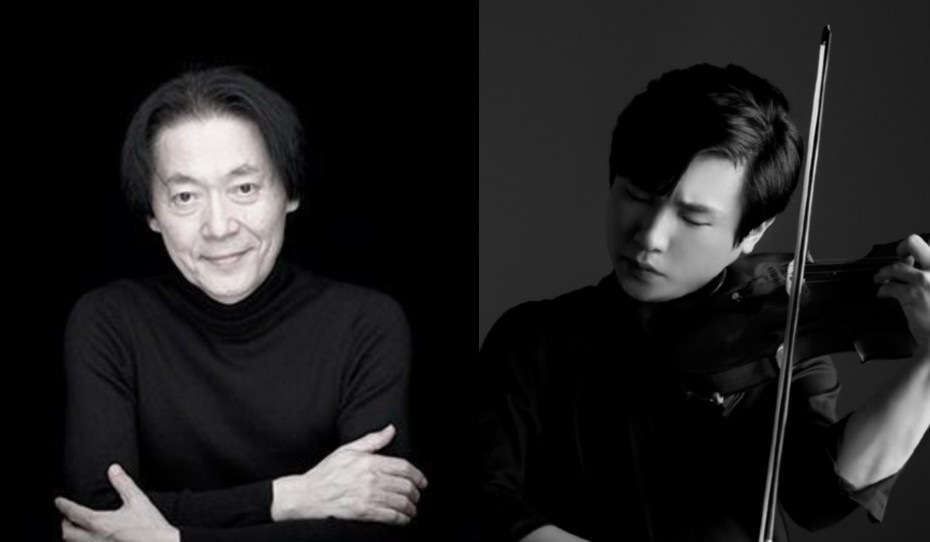
Led by conductor Chung Chi-yong and featuring violinist Kim Dong-hyun, the program is anchored by an orchestral reinterpretation of Yeongsanhoesang. Other works explore traditional material through different compositional forms.
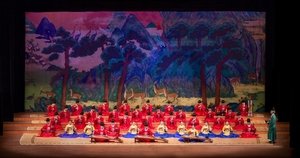
Originally derived from a vocal Buddhist chant in the early Joseon period (1392-1910), Yeongsanhoesang evolved into an instrumental suite of eight movements lasting about 50 minutes. It is performed on traditional instruments such as piri, daegeum, haegeum and gayageum. While adaptations of Korean traditional material into Western idioms have been widely attempted, a complete orchestral reworking of the full suite remains rare.
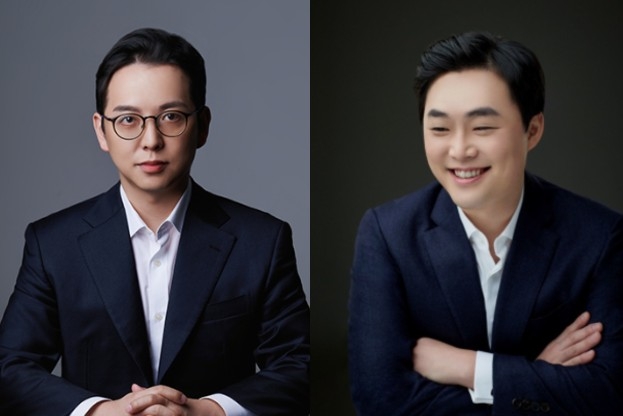
To fill this gap, composer Kim In-gyu presents “Metamorphosis: Yeongsanhoesang” which reconstructs the entire cycle for a Western chamber ensemble, combining woodwinds, brass and strings to reinterpret traditional melodic structures and rhythmic cycles.
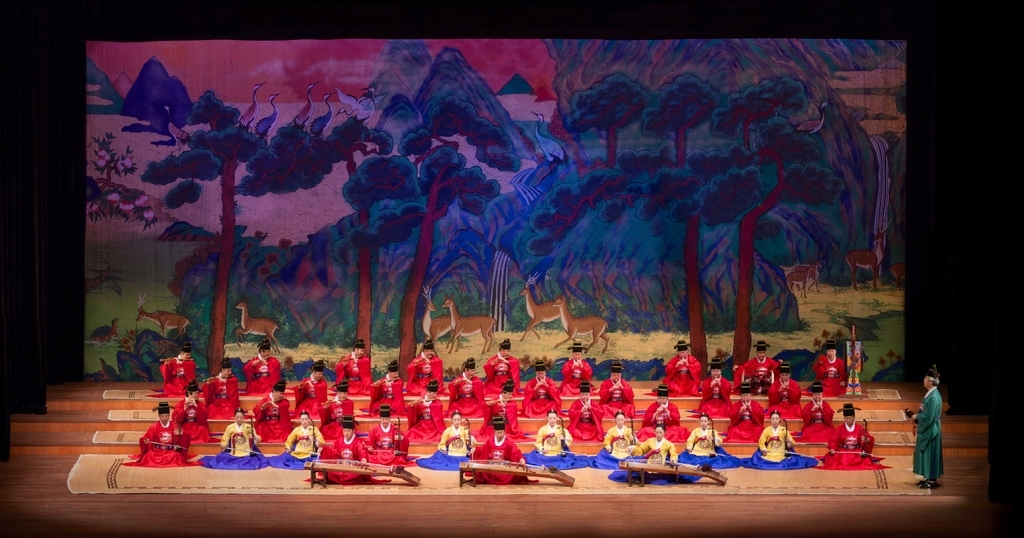
The concert opens with Kim’s “Ganggangsullae,” a traditional Korean circle dance, song and play, written for a mixed East-West ensemble. Composer Kim Jun-ho’s violin concerto “Mua (No-Self)” follows. Performed by violinist Kim Dong-hyun, a third-prize winner at the 2019 International Tchaikovsky Competition, the 30-minute work draws on traditional rhythmic systems and ritual elements, incorporating motifs from shamanistic dance and court music.
According to Joy of Strings, the program reflects a compositional approach that moves beyond surface-level fusion to rework traditional material at the level of form and structure. It also aligns with efforts to position Korean music within internationally recognizable frameworks.
Founded in 1997 by violinist Lee Sung-ju, the ensemble has aimed to expand classical music’s reach in Korea while maintaining a broad, cross-period repertoire. As it nears its 30th anniversary in 2027, the project serves both as a retrospective and a forward-looking statement on Korean contemporary music.
Tickets range from 30,000 won to 70,000 won.
gypark@heraldcorp.com