When sport becomes a luxury: Who should pay for global game?
09 Jun 2026
Sport has always claimed to belong to everyone. It is celebrated as a universal language, a public good capable of bringing together communities across social classes, cultures, and generations. Yet today, from the NBA and the FIFA World Cup, sport increasingly resembles an exclusive entertainment industry where access comes at an ever-higher price. The question is no longer simply whether sport is commercialised. It is whether ordinary people can still afford to participate in the sporting spectacle they helped create.
The recent debate surrounding the International Olympic Committee illustrates this tension. The argument that athletes should appreciate the facilities and opportunities created through Olympic revenues rather than expect direct financial compensation reflects a traditional understanding of Olympism. Yet many athletes struggle financially throughout their careers, while broadcasters, sponsors, and sporting organisations generate billions of dollars from their performances.
This contradiction extends far beyond the athletes themselves. Fans are also paying an unprecedented price. Attending an NBA game in many cities has become a luxury experience rather than a family outing. Premium seating, dynamic pricing systems, and secondary ticket markets have transformed access into a privilege linked to purchasing power. The same pattern is emerging around the FIFA World Cup 2026, where tickets, accommodation, transportation, and travel costs make attendance impossible for many supporters.
Even watching sport from home is becoming expensive. What was once available on free-to-air television is increasingly fragmented across multiple subscription platforms. The digital revolution has expanded access technologically while restricting it economically.
Ironically, this inflation in costs coincides with an explosion in revenues. Global broadcasting contracts, sponsorship agreements, and commercial partnerships have produced record income for sports organisations. Player salaries in major leagues continue to rise dramatically, reflecting the enormous commercial value of elite sport. While superstar athletes deserve recognition for generating this wealth, the widening financial gap between elite performers, grassroots athletes, and ordinary supporters raises uncomfortable questions about the distribution of sport’s economic success.
The market alone cannot be blamed. Sports organisations naturally seek to maximize revenue, broadcasters compete for exclusive rights, clubs respond to commercial pressures, and consumers continue to demonstrate willingness to pay premium prices. Governments themselves often encourage the commercialisation of mega-events to stimulate tourism and investment.
Yet sport is not simply another commodity. Unlike luxury fashion or high-end technology, sport carries significant social value. Stadiums are not merely commercial venues; they are spaces where collective memories are created. Excluding large sections of society from these experiences risks weakening the very cultural foundations that make sport commercially valuable in the first place.
Governments that invest public money in stadiums and mega-events should negotiate guarantees for affordable ticket allocations. International federations could reserve a larger proportion of tickets at controlled prices for local communities, young people, and lower-income supporters. Broadcasting agreements could continue to protect a list of major sporting events available on free television.
The future of sport should not be measured only by record broadcasting deals or billion-dollar sponsorship contracts. It should also be judged by whether a child can still dream of attending a major match, whether an athlete can pursue excellence without financial insecurity, and whether families can gather around a shared sporting experience without calculating the monthly cost.
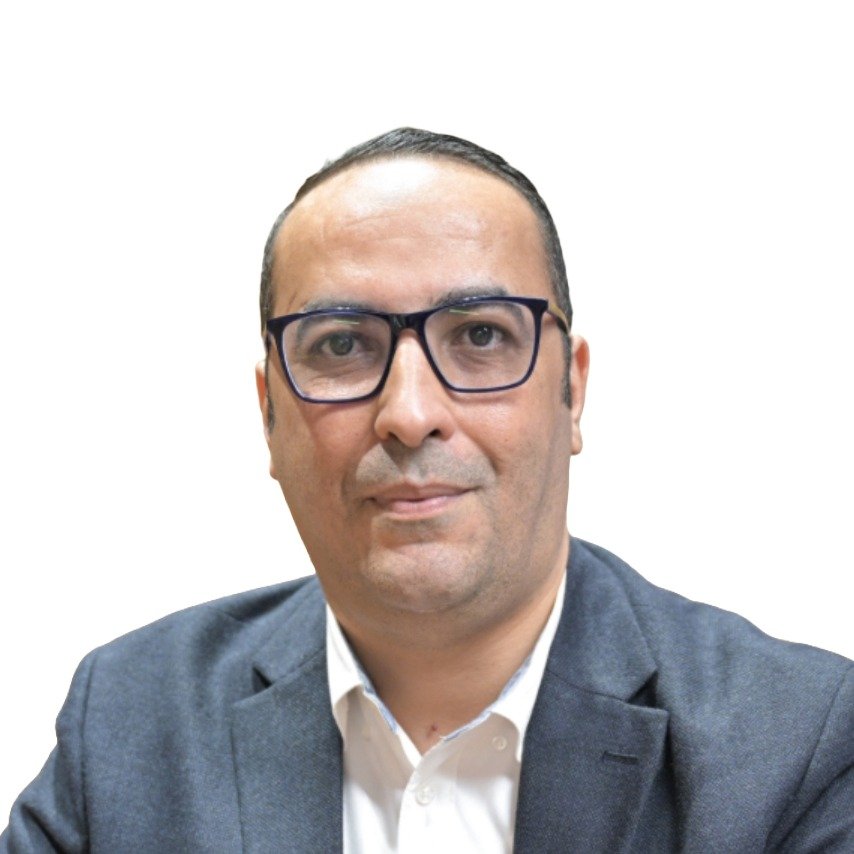
Dr. Mahfoud Amara is an Associate Professor in Sport Social Sciences and Management at Qatar University.