The growing interest of Panamanians in attending the 2026 FIFA World Cup has caused a significant increase in demand for measles vaccines.
Given this situation, the Ministry of Health (Minsa) announced the arrival of a new batch of 100 thousand doses to guarantee supply throughout the country.
The measure seeks to reinforce the protection of those who plan to travel to the United States, Mexico and Canada, host countries of the next Soccer World Cup, and prevent the importation of cases into the national territory.
As reported by the coordinator of the Expanded Immunization Program (EPI), Itzel de Hewitt, the new doses will be arriving between June 12 and 21, in response to the high demand registered in recent weeks.
More than 100 thousand vaccinated in less than a month
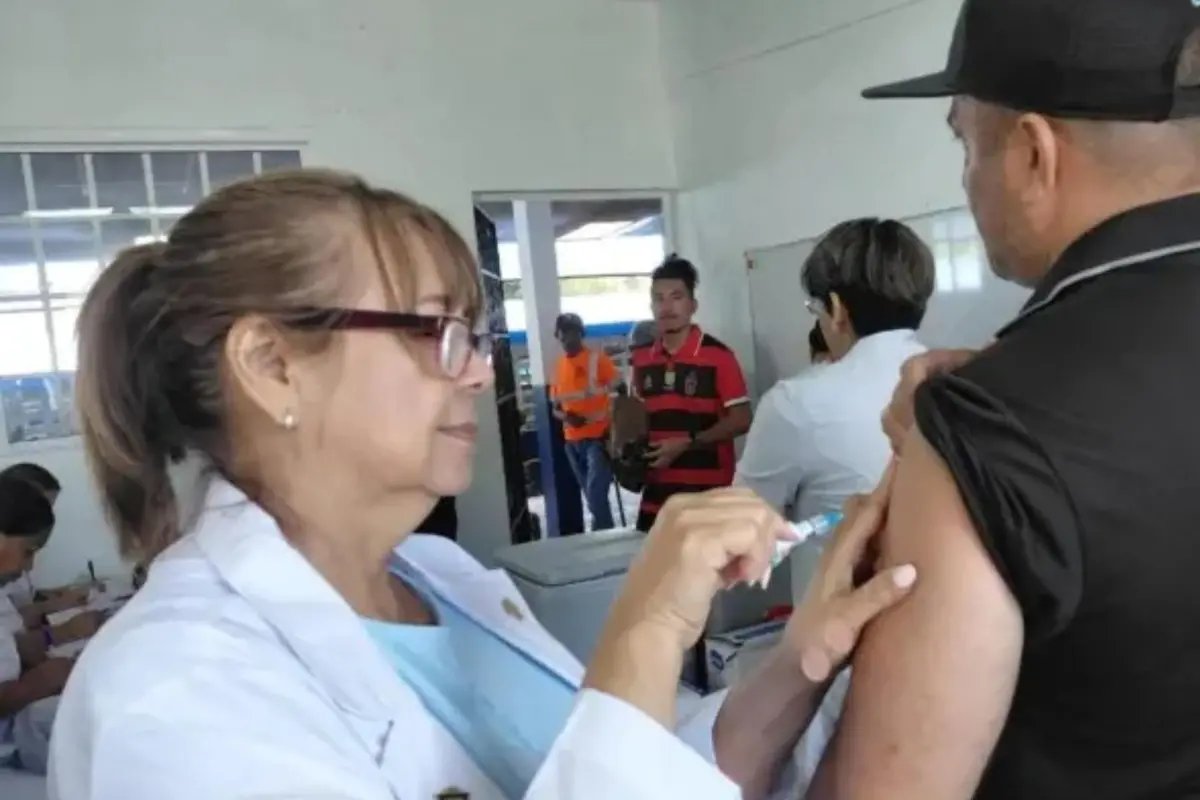
The figures reflect the impact of the preventive campaign promoted by health authorities. In less than a month, more than 100,000 people have come to get vaccinated against measles.
According to the Minsa, a strategic redistribution of vaccines is currently being carried out from regions with lower demand to areas where the request has been greater, including the Metropolitan region, San Miguelito, Panama Oeste, Veraguas and Chiriquí.
The entity reiterated that vaccines continue to be available in all health facilities in the country.
Panama maintains epidemiological surveillance
The health authorities clarified that Panama does not register indigenous cases of measles. To date, only two imported cases and one case associated with contact with one of the infected people have been detected.
Since 1979, the country has administered more than 11 million doses of the vaccine against this disease as part of its permanent free immunization programs.
The call to those who will travel to the World Cup
The Minsa insisted that people who plan to attend the 2026 World Cup must verify their vaccination schedule before embarking on the trip.
“We want those who travel to Canada, Mexico and the United States to do so protected and, upon their return, not introduce the disease to the country,” Hewitt highlighted.
In addition, the Health Services Provision Directorate maintains an active National Contingency Plan to respond quickly and in a coordinated manner to any suspicious case.