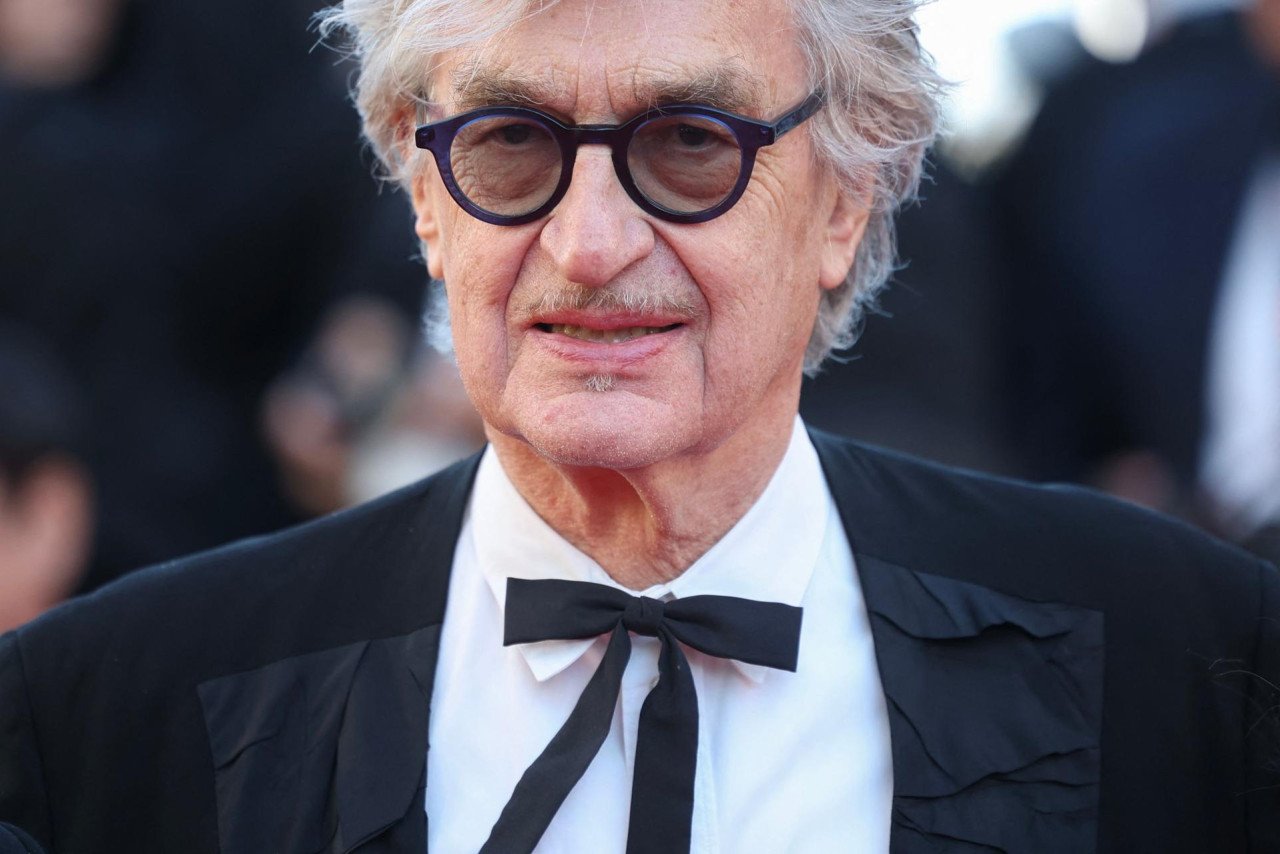
The film world these days has been taken aback by the decision of one of the most respected European directors. Wim Wendersthe author of numerous award-winning films and one of the most important names in German cinema, decided to temporarily withdraw his 1975 film after the debate was reopened about the controversial scene in which the then-underage actress appeared without her top.
Although it is a work that is more than five decades old, the case raised important questions about the responsibility of the author, changes in social values and the way in which film heritage should be viewed in modern times. Wenders’ decision caused numerous reactions among film critics, directors, art historians and the public, and the debate quickly spread beyond the borders of Germany, writes BBC.
The reason for re-updating the topic was the speech the director gave when receiving recognition for life’s work at the German film awards. Instead of using the evening to celebrate his rich career, Wenders spoke openly about a doubt that has been preoccupying him for some time.
In front of the gathered film professionals, he admitted that he is still not sure whether the controversial scene should be permanently removed from the film. He specifically addressed the younger generations of filmmakers, noting that he wants to hear their opinion on how today’s society views content that was acceptable at the time the film was made, or at least did not cause the same level of public condemnation.
Such an honest and self-critical approach is rarely seen among authors of his generation. Many directors are reluctant to re-examine their own works, especially those created in the earlier stages of their careers. This is precisely why Wenders’ decision has additional weight, as it shows a willingness to view artistic work through the prism of today’s ethical standards.
The case has opened up a much wider debate than that related to just one film. At the heart of the question is a dilemma that has become increasingly common in recent years: should historical works of art be left in their original form or should they be adapted when certain contents are no longer in accordance with contemporary social norms?
Proponents of preserving the original versions believe that any intervention would represent a violation of the authenticity of the work and a kind of rewriting of cultural history. On the other hand, those who support the changes warn that the artistic value must not be above the protection of the dignity of the persons who participated in the creation of the film, especially when it comes to minors.
Wenders has not yet made a final decision. The film has been withdrawn from distribution and new screenings until it is considered how to approach the controversial content. Possible solutions include permanently removing the scene, adding warnings to viewers, contextual explanations before showings, or restricting the film’s availability in certain circumstances.
Regardless of the final outcome, this case already represents an important moment for the film industry. It shows how standards related to child protection, consent and ethical responsibility have changed over recent decades. What used to be considered artistic freedom is now increasingly viewed through the prism of human rights and the protection of vulnerable groups.
Thus, Wim Wenders did not just open the question of a scene from an old movie. He started a discussion about how society values art, where authorial freedom ends and moral responsibility begins, and whether works from the past can be viewed with the same eyes as when they were created.
The answer to these questions is not yet known, but one thing is certain – the decision of the legendary director could become an important precedent that will influence the way in which numerous classics of world cinema will be presented and evaluated in the future.