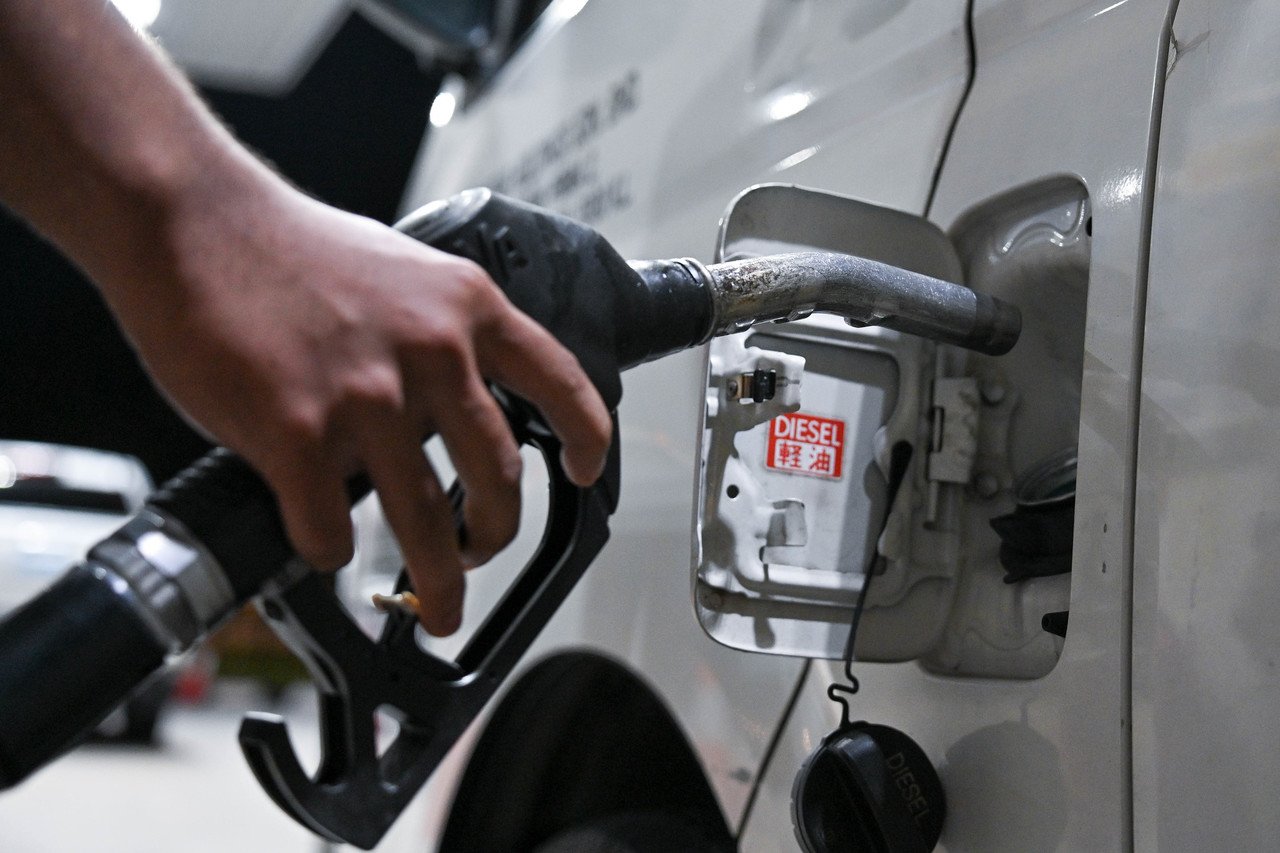

Rural residents and business operators are urging the federal government to improve the implementation of Budi Diesel by addressing awareness gaps, accessibility challenges and the adequacy of the monthly fuel quota. – Bernama photo
MIRI (July 2): Rural residents and businesses operators have called on the federal government to improve the implementation of the Budi Madani diesel subsidy framework, citing limited public awareness, accessibility issues and concerns over the insufficient monthly fuel quota.
Transporter Johnathan Anyi, 47, said many elderly vehicle owners continue to face difficulties accessing the scheme due to a lack of information and unfamiliarity with the registration process.
He said he had personally witnessed elderly motorists being unable to purchase subsidised diesel because they were unaware of the programme’s requirements.
“Some do not know about the implementation of the programme, while others forget to bring their identity cards and have to return home without refuelling,” he told The Borneo Post.
Johnathan said many senior citizens also do not realise they can authorise their children or family members to purchase diesel on their behalf.
“Most believe that because the vehicle is registered under their name, only they can buy the fuel.
“There is also a lack of notices and information at petrol stations, especially in rural areas,” he added.
Meanwhile, Petronas station manager Samantha Lau, 39, said the subsidy has helped reduce operating costs for many diesel users who depend on their vehicles for work and businesses.
“Budi Diesel scheme has benefitted the community, especially for those who rely on diesel-powered vehicles to earn a living,” she said.
However, Lau noted that awareness of the initiative remains limited in many rural communities and suggested that the government expand its publicity efforts through television, radio and village leaders to ensure information reaches all segments of society.
She also voiced concerns over the subsidy’s eligibility criteria, noting that many business operators using single-cab pickups and other privately registered diesel vehicles are not eligible despite depending on them for their businesses.
“Many small business operators have to bear higher fuel costs because only certain categories of vehicles qualify for the subsidy,” she said.
Lau added that while public transport vehicles, lorries, tankers and certain vans are eligible, many company-owned private vehicles remain excluded from the scheme.
Contractor Lihan Oyo, 46, said the current monthly quota of 200 litres may not be sufficient, particularly for those working in remote areas such as Baram where long-distance travel results in higher fuel consumption.
He also pointed out that some users remain unaware of the quota transfer facility, while limited digital literacy continues to pose challenges for registration.
Lihan expressed hope that the government would review the monthly quota to better reflect the actual needs of diesel users in Sarawak’s rural and interior areas.
The Budi Diesel framework was rolled out yesterday, allowing eligible users to purchase subsidised diesel under a flexible monthly quota up to 200 litres.