Monday, May 25, 2026, 12:07 p.m
1547 readings

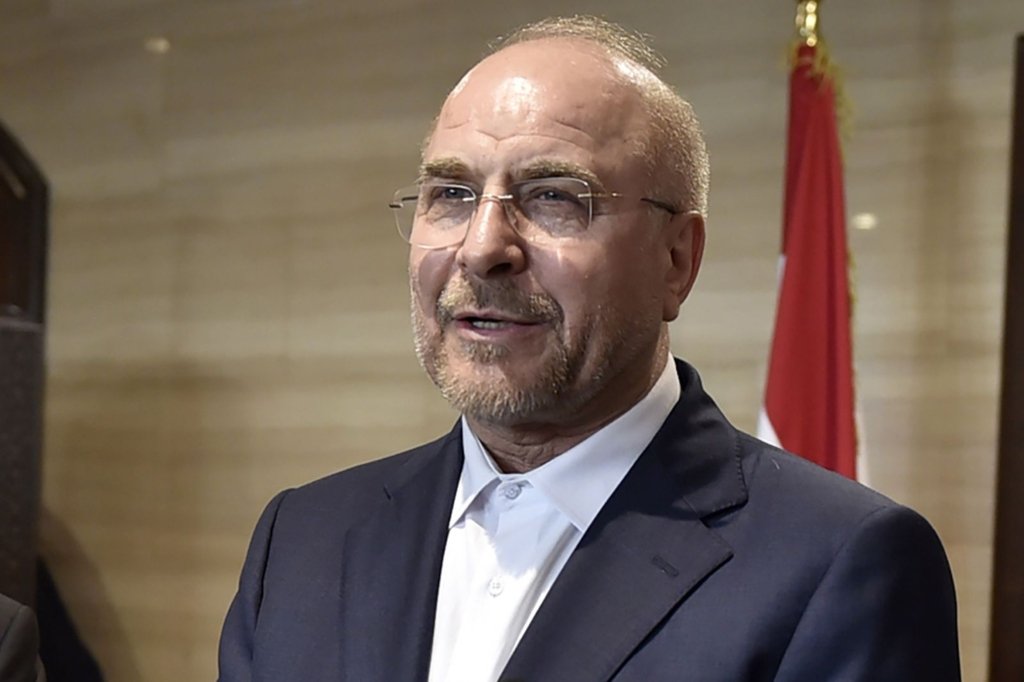
Mohammad Ghalibaf remains the Speaker of Iran’s Parliament PHOTO Hepta
Iranian Parliament Speaker Mohammad Bagher Ghalibaf retained his post on Monday after lawmakers held elections for the parliament’s presidency, state media reported.
More than 270 of the 285 members of parliament participated in the vote, according to reports.
The election took place despite the fact that parliament had been closed since the beginning of the war in Iranreports Iran International.
Iranian radicals attack Galibaf for negotiating with US
Talks about a possible deal between Tehran and Washington have stepped up political attacks on parliament speaker Mohammad Bagher Ghalibaf, a central figure in Iran’s diplomatic campaign and a politician widely seen as advocating a more pragmatic approach to negotiations.
An unusually forthright report published on Sunday by the semi-official Iran Labor Party News Agency (ILNA) described what it called “organized destruction”, media pressure campaigns and coordinated text message attacks targeting Ghalibaf ahead of the vote.
A lawmaker interviewed by ILNA, Rouhollah Lak Aliabadi, accused political rivals of orchestrating text message campaigns against Ghalibaf in an attempt to influence members of parliament ahead of the party’s leadership vote.
He said opponents portray support for negotiations as a form of capitulation or deviation from revolutionary principles, even though decisions on diplomacy ultimately rest with Iran’s senior leadership.
Negotiations with the US continue
The attacks reflect wider tensions within Iran’s conservative establishment, as indirect negotiations with Washington appear to be gathering momentum.
The American president Donald Trump struck a cautious, upbeat tone over the weekend, saying negotiators “shouldn’t be in a rush to reach a deal” because “time is on our side,” while administration officials indicated progress was being made on the guidelines for a possible deal.
At the same time, officials and media outlets close to the Revolutionary Guards have emphasized deep skepticism about Washington, insisting that major disagreements remain unresolved and cautioning against excessive optimism.
Among the most contentious issues are the restrictions affecting the Strait of Hormuz, the lifting of sanctions, the future of Iran’s stockpile of enriched uranium and the sequence of commitments made by both sides.
The mounting attacks on Ghalibaf suggest that hardliners fear that even a limited diplomatic opening could shift the balance of power within the Islamic Republic in favor of figures who advocate a more controlled and pragmatic form of engagement with the West.
A similar dynamic is visible in Washington, where prominent Republican backers and conservative commentators have begun to warn against any deal that they see as leaving Iran’s military or nuclear infrastructure largely intact.
Sen. Ted Cruz was among those who signaled concern that the administration could soften its stance, while Democratic critics such as Sen. Chris Murphy argue that the war has not achieved its goals and ultimately put Tehran in a stronger position.