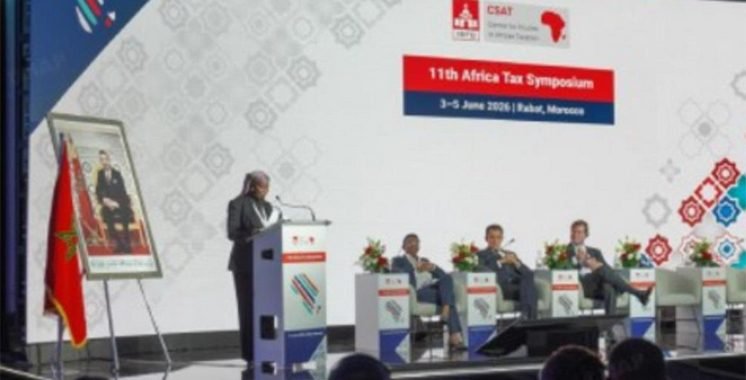
Taxation: Meeting for the first time in North Africa, the 11th African Tax Symposium called, at the end of its work in Rabat, for more active participation of the continent in the development of international tax rules and a strengthening of regional cooperation.
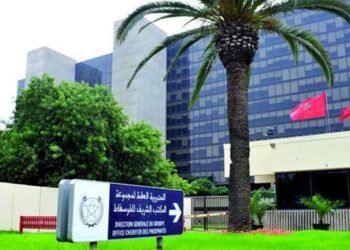
The 11th African Tax Symposium closed its work on Friday in Rabat with a plea for greater involvement of Africa in global tax governance. Bringing together for three days experts, decision-makers and tax administrations around the challenges of international taxation, this meeting, initiated by the Center for Studies on African Taxation (CSAT – Center for Studies in African Taxation) of the IBFD (International Bureau of Fiscal Documentation) in partnership with the Directorate General of Taxes (DGI) and held for the first time in a North African country, highlighted the need for African countries to strengthen their cooperation and adapt their tax systems to the transformations of the digital economy and global standards. Speaking at the closing ceremony of this conclave, the Director General of Taxes, Younes Idrissi Kaitouni, recalled that Africa now aspires to fully participate in the design and evolution of international tax rules.
“The profound changes that global taxation is experiencing today constitute both a major challenge and a strategic opportunity for the continent,” he underlined.
And to continue: “Faced with the increasing complexity of economic models, the digitalization of trade and the rapid evolution of international standards, the Director General of Taxes highlighted three strategic priorities for African countries, namely the mobilization of tax revenues, the strengthening of the capacities of public administrations through innovation and digital transformation, as well as the development of regional tax cooperation in order to pool expertise and good practices.”
For his part, Aziz Son, Senior Associate at the IBFD, who presented the conclusions of the work of this 11th edition, revealed that the debates clearly highlighted the continent’s desire to no longer be a simple receiver of global tax standards, but a full-fledged actor in their development and implementation. According to him, the various sessions highlighted the urgency of developing coordinated political responses to the technical challenges linked in particular to the imposition of cross-border services, the digital economy and new forms of value creation.
Mr Son also stressed the importance for African countries to put in place robust and consistent transfer pricing regimes, while ensuring that tax policies are aligned with the continent’s geopolitical, trade and development objectives. Recall that over three days, participants debated several strategic themes linked to the future of international taxation in Africa, including recent developments in the global tax system, the taxation of cross-border services, transfer pricing, the application of tax conventions, as well as the interactions between trade, investment and tax sovereignty.