Washington: Directing Iranian assets to finance Gulf damage
The Pakistani Interior Minister carries a “special message” to Tehran
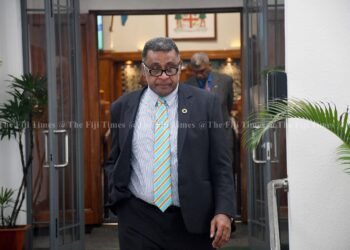
Official Iranian media reported that Pakistani Interior Minister Mohsin Naqvi, whose country is mediating to end the conflict, arrived in Tehran to hold talks with Iranian officials, including Foreign Minister Abbas Araqchi. The Iranian Students News Agency reported that Naqvi was carrying a “special message” from the army commander and prime minister of Pakistan to Iranian Supreme Leader Mojtaba Khamenei.
US President Donald Trump is facing increasing internal political pressure to end this war.
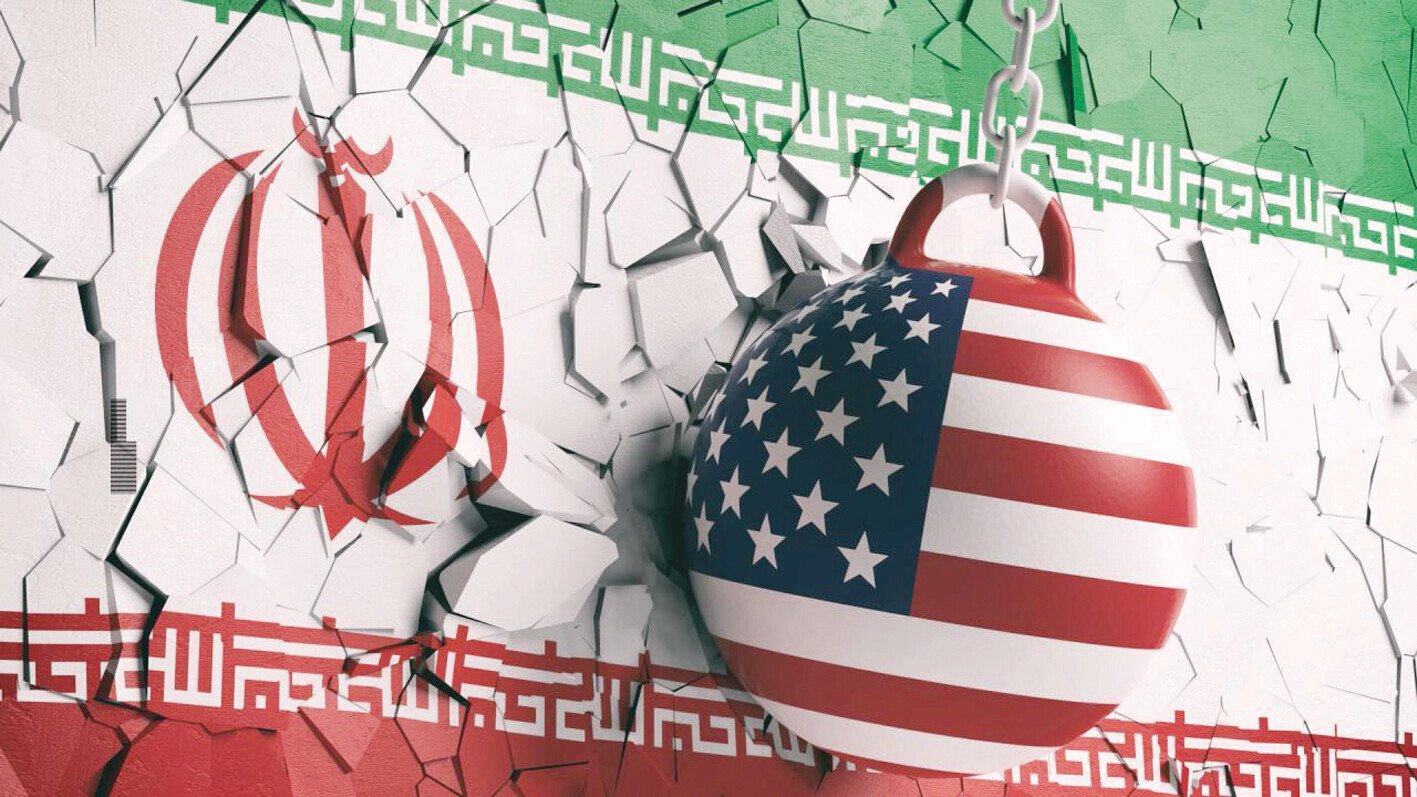
The US military said that it attacked Iranian coastal radar sites on Saturday after shooting down drones launched by Tehran towards the Strait of Hormuz, in the latest escalation that complicates efforts to end the war between the two countries. A US official said that the army believed that the four Iranian drones were targeting maritime traffic in the region. The US Central Command said in a post on X that the United States then bombed Iranian observation sites in Gouruk and Qeshm Island, both on the Strait of Hormuz. The Iranian Ministry of Foreign Affairs confirmed that the American action represents a violation of the ceasefire announced on April 8, adding that the repetition of such violations shows that Washington does not intend to ease tensions. She warned that the United States would bear responsibility for the consequences of its “illegal actions.” The Iranian Revolutionary Guard said that it targeted American bases in Kuwait and Bahrain in response to the American strikes, adding that it opened fire on four tankers that were trying to cross the strait without its permission.
In addition, an informed source said that the US government will seek to direct Iranian assets to the Gulf states for reconstruction and repair of the damage caused by Iran, at a time when Tehran launched a wave of attacks on Kuwait and Bahrain.
The source said that US Treasury Secretary Scott Besent assigned a team to assess the costs of the damage that Iran has already inflicted on its allies in the Gulf, adding that the United States will consider using Iranian assets to repair any damage in the future as well. This revelation came a day after Mohsen Rezaei, an advisor to the Iranian Supreme Leader, told CNN that the peace agreement hinges on the release of $24 billion in Iranian assets frozen by the United States. The source did not specify the type of assets being studied by the Treasury Department.
The threat to redirect Iranian assets could raise new tensions in the fragile ceasefire between the United States and Iran, which was tested again over the weekend with strikes by both the United States and Iran.
Despite what appeared to be indications in recent days indicating progress in the US-Iranian negotiations, repeated attacks on the Gulf region threaten to undermine the ceasefire declared since April 8.
Over the past weeks, the talks have remained the subject of back-and-forth and mutual threats, in addition to intermittent military skirmishes, without the two parties succeeding in reaching an understanding that would put an end to the war and allow the reopening of the Strait of Hormuz, which is vital for global energy flows. The United States and Iran are conducting largely indirect negotiations to reach an interim agreement to halt the three-month-old war, which would leave issues such as Iran’s nuclear program for later negotiations. But reaching an agreement remained elusive in light of the repeated clashes between the two sides. Tehran wants to obtain billions of dollars in oil revenues, exemptions from sanctions imposed on crude oil exports, the lifting of the US blockade on its ports, and control of the Strait of Hormuz. Iran effectively closed this waterway, through which about a fifth of global oil shipments passed before the war.