The Lee Jae Myung administration is set to take the first step toward building a second presidential office in Sejong, as part of its push to establish the city as South Korea’s administrative capital, according to Cheong Wa Dae.
Lee Kyu-youn, senior presidential secretary for public relations and communication, announced Tuesday that the South Korean government will issue a tender for site preparation work for the second presidential office on Wednesday.
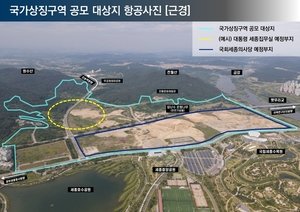
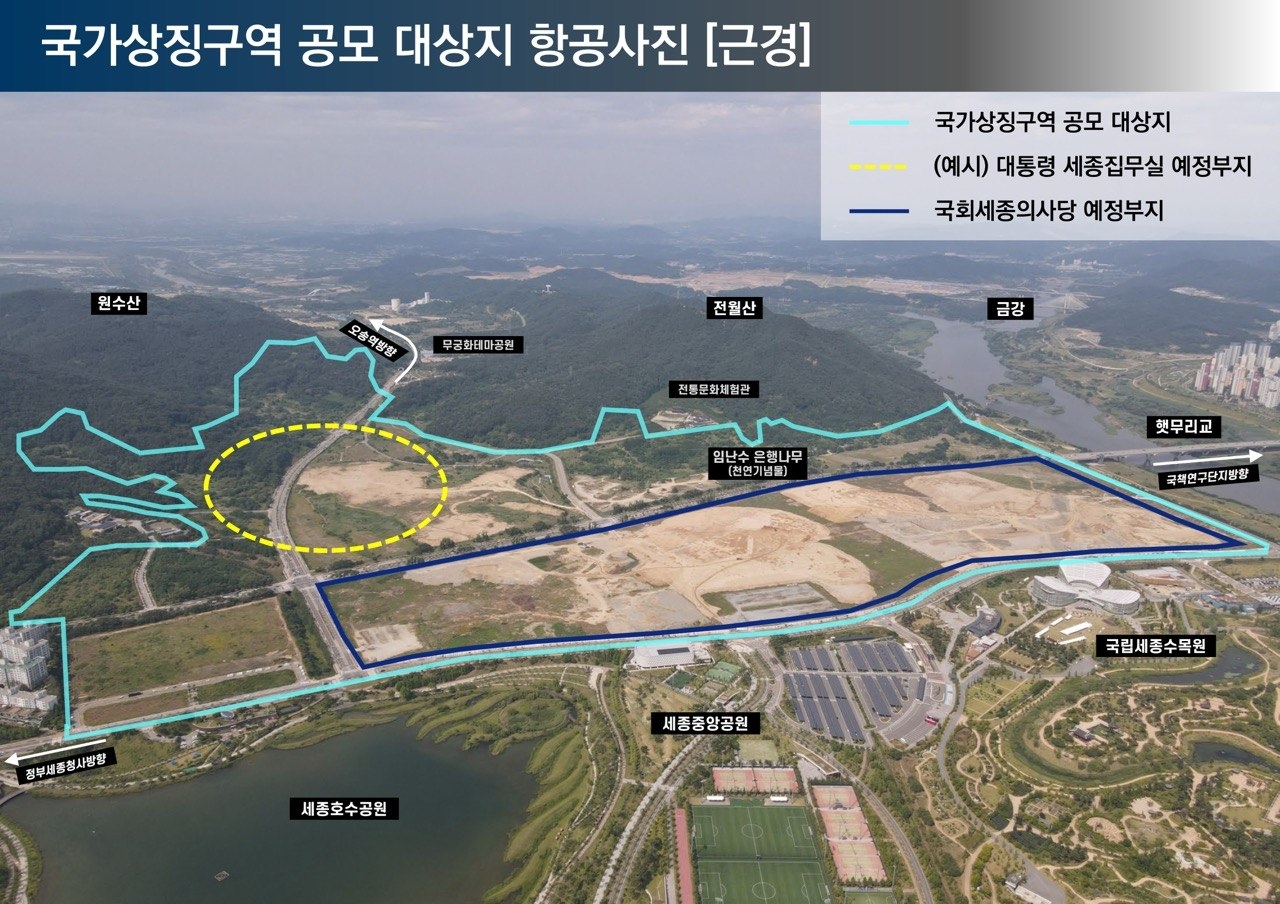
The project will cover a site spanning 350,000 square meters, the budget is set at 9.8 billion won ($6.62 million) and construction will take an estimated 14 months, the secretary explained.
“This site preparation project carries symbolic and significant meaning for national balanced growth,” the secretary said during a news briefing at Cheong Wa Dae in Seoul, “because it marks the first action, the first project and the first groundbreaking that turns the promise to complete Sejong as the administrative capital into action on the ground, rather than leaving it as a plan on paper or a political slogan.”
Balanced regional growth is one of the Lee administration’s key policy agendas; reducing concentration in the Seoul metropolitan area and establishing a presidential office in Sejong is its flagship project to that end.
Lee Kyu-youn added that the government is conducting a design competition for the Sejong presidential office and plans to select a winning proposal later this month.
Following the design process, construction is set to begin in August 2027.
Lee Kyu-youn reiterated that the president has “repeatedly expressed his intention to hold his retirement ceremony in Sejong and instructed officials to expedite construction so that the presidential office there can be used within his term.”
“We will make every effort to ensure that the Sejong office is ready for occupancy by August 2029, in line with the original commitment made to the public,” the secretary added.
The completion of Sejong as an administrative capital was included among Lee Jae Myung’s presidential campaign pledges. During last year’s presidential race, Lee repeatedly expressed his determination to complete both the Sejong branch of the National Assembly and the Sejong presidential office within his term, which runs from June 2025 to June 2030.
However, Lee Kyu-youn declined to give a definitive answer when asked whether the Sejong office would replace Cheong Wa Dae as the president’s primary workplace or if it would be used on a dual basis.
“Preparations are being made on the assumption that it will be used as the main office, but relocating the presidential office and scaling down the role of Cheong Wa Dae would require broad public consensus,” the secretary said. “Some argue that a legislative process would also be necessary, so it is difficult to say anything definitively at this stage.”
Some argue that turning Sejong into a true administrative capital — where the country’s highest decision-making takes place — would ultimately require a constitutional amendment. In 2004, the Constitutional Court struck down a special law aimed at relocating the capital, ruling that Seoul’s status as the capital is rooted in the nation’s “Customary Constitution.”
Against this backdrop, formally stipulating Sejong as the administrative capital through a constitutional amendment is now widely discussed as an essential task to overcome legal hurdles.
dagyumji@heraldcorp.com