With the proximity of the General Elections 2026, citizen attention grows towards a process that will define the main authorities of the country. In a single day, voters will elect those who will occupy various political leadership positions, making this event one of the most significant in the democratic calendar. Various candidates are presented as options for voters, who must analyze, reflect and make decisions before casting their vote. Due to the magnitude of the election and the number of positions in dispute, polling station members could face longer days than usual, since their work includes supervising the vote and guaranteeing the correct counting of votes. Beyond the economic incentive of S/ 165, the designated citizens will receive additional benefits for fulfilling this civic function, which cover both training aspects and logistical support during the development of electoral day. Below, we explain in detail what these compensations consist of and how they will be implemented.
The same ONPE platform will tell you if you were selected as a regular or substitute board member. Remember that the election of polling station members is carried out by lottery among citizens eligible to vote.
If you appear as designated, you must show up early on election day to set up the voting table. Being a polling station member is a mandatory civic duty, so it is important to review the platform in advance as you risk being fined.
Faced with this scenario, the National Office of Electoral Processes (ONPE) announced that citizens designated as polling station members will receive two snacks during the day and a remuneration of S/ 165, as long as they attend the prior training and remain until the close of the vote.
For his part, Rafael Arias, representative of the electoral body, offered statements to RPP in which he explained in detail the responsibilities, conditions and requirements that must be met by those who collaborate in the organization and development of the elections, thus ensuring an orderly and transparent process.
Voting formally begins at 7:00 am and closes at 5:00 pm However, the work of the polling station members continues even after the voting ends.
“Then comes the counting that can take approximately 6 to 8 hours given that there are five elections that will be counted with up to seven preferential votes,” said Arias.
Therefore, it is possible that numerous poll workers stay at the voting centers until late at night (approximately 12 pm).
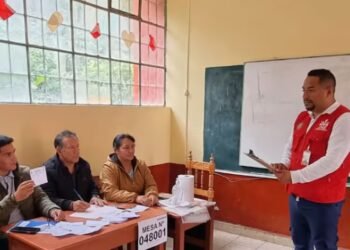
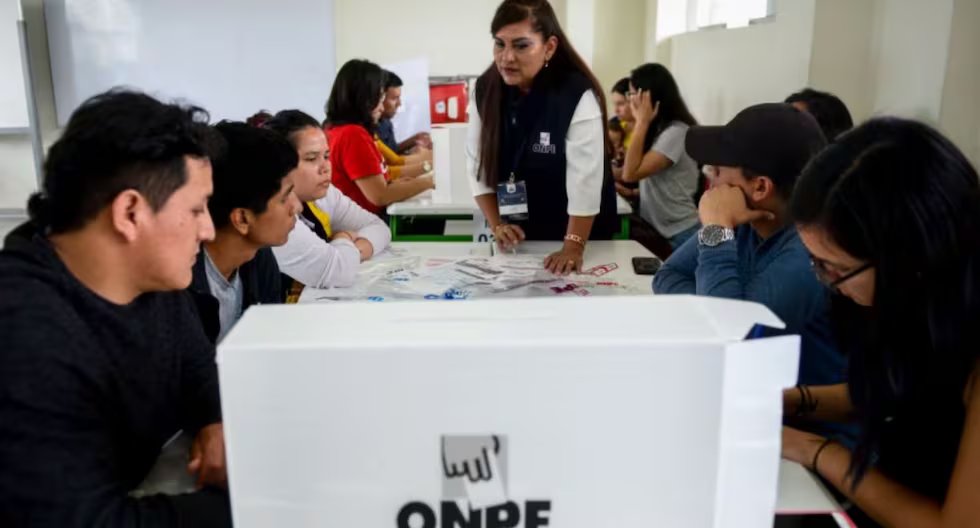
As an assigned polling station member you will have a series of responsibilities from setting up the polling station first thing in the morning, assisting voters during the voting process, identifying each voter according to their identity card, counting the votes at the polling station in charge and delivering the electoral records. For each polling station, a president, a secretary, a third member and six substitutes are elected as indicated in Law No. 32231.
“The position of the polling station member cannot be waived. Everyone, regulars and substitutes, must be present on election day, April 12, from six in the morning to sign the attendance sheet,” said Franz Paz Retuerto, ONP assistance, monitoring and support specialist, to RPP media.
Finally, it is worth remembering that each polling station member will receive an amount assigned for their work, which amounts to S/ 165. If they do not appear to fulfill their assigned position at the voting station, they will have a sanction according to law and a respective fine, which amounts to S/ 275 as declared by Paz Retuerto.