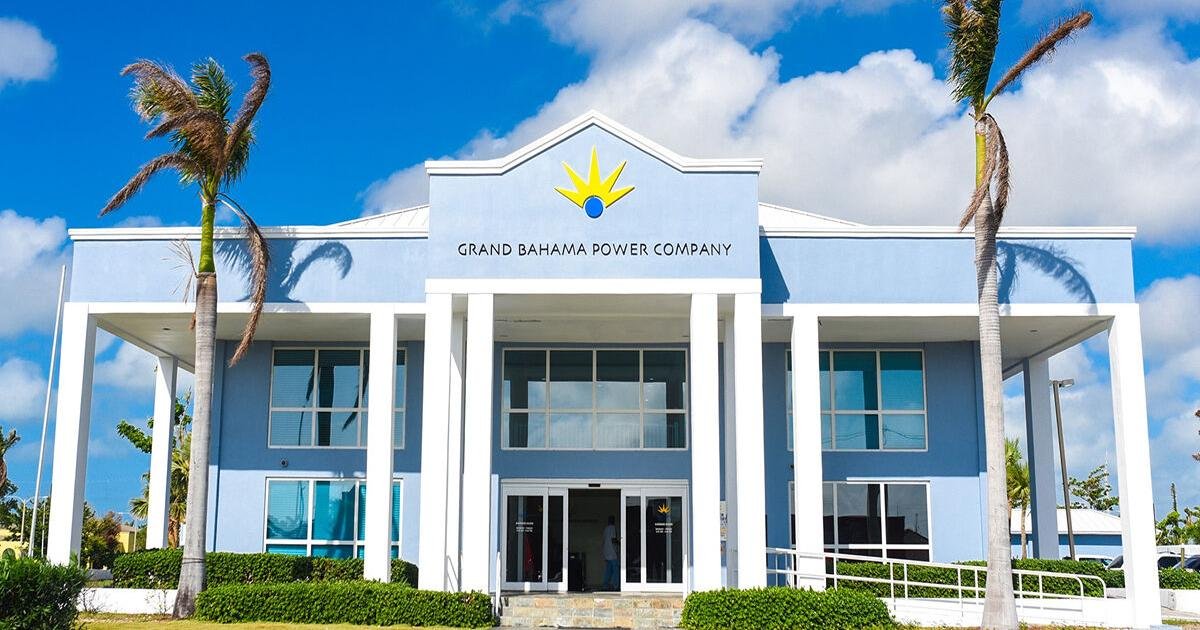
The Free National Movement (FNM), in a statement to the media, highlighted credit rating agency Fitch Ratings’ warning that debt owned by state-owned enterprises (SOE) could double if the proposed takeover of the Grand Bahama Power Company (GBPC) goes through as planned.
The statement said: “The government’s plan to take over the Grand Bahama Power Company is going to cost this country far more than anyone is being told. Fitch Ratings, the same agency that grades The Bahamas’ national debt, has warned that this deal could nearly double the government’s SOE debt burden. Right now, the government guarantees about 1.9 percent of GDP [gross domestic product] in SOE debt.
“Fitch says that figure could almost double if this GBPC takeover goes through. The FNM demanded the government disclose whether it followed its own government guarantee policy and if it did, the Debt Management Committee report should be tabled. The PLP [Progressive Liberal Party] refused to table the debt assessment that is mandated by law.”
Prime Minister Philip Davis announced the proposed purchase of the GBPC in a tabled resolution to Parliament, that is inclusive of a first resolution that will allow the government to guarantee the borrowing of $200 million by Grand Bahama Energy Company Ltd., through a consortium of banks led by Standard Chartered Bank, for the acquisition of all the ordinary voting shares of Grand Bahama Power Company. The second resolution seeks the parliamentary approval for the government to guarantee a borrowing of $80 million from Royal Bank Bahamas Ltd. to assist with capital expenditure and working capital.
The FNM release also said: “In simple terms, the government has already committed taxpayers to guaranteeing $280 million in loans for this deal: $200 million to buy GBPC, and another $80 million for repairs and running costs. If the company can’t pay, every Bahamian is on the hook.
“Fitch also flagged the government’s growing use of private financing arrangements, what the FNM has called off-the-book loans, as an additional risk. The IMF [International Monetary Fund] and the Fiscal Responsibility Council have raised the same concern, yet the government has still not told the public what the full bill looks like.
“What makes this worse is the order in which things happened. The government rushed these borrowing resolutions through Parliament first. Only after the money was committed did the regulator, URCA [Utilities Regulation and Competition Authority], begin asking whether this deal is even in the public interest. That process is still ongoing.”
Fitch Ratings said about the GBPC purchase that The Bahamas is “exposed to contingent liabilities from state-owned enterprises,” the report states.
It continued: “Although SOE debt has declined from a peak of 13.7 percent of GDP in 2018, it is still high at nine percent, and direct transfers have increased.
“Of the total SOE debt, the government explicitly guarantees 1.9 percent of GDP, which may nearly double if a plan to purchase the Grand Bahama Power Company proceeds.”