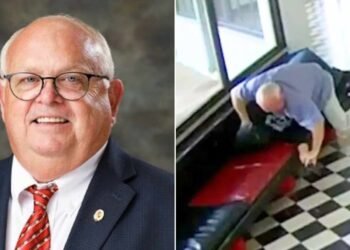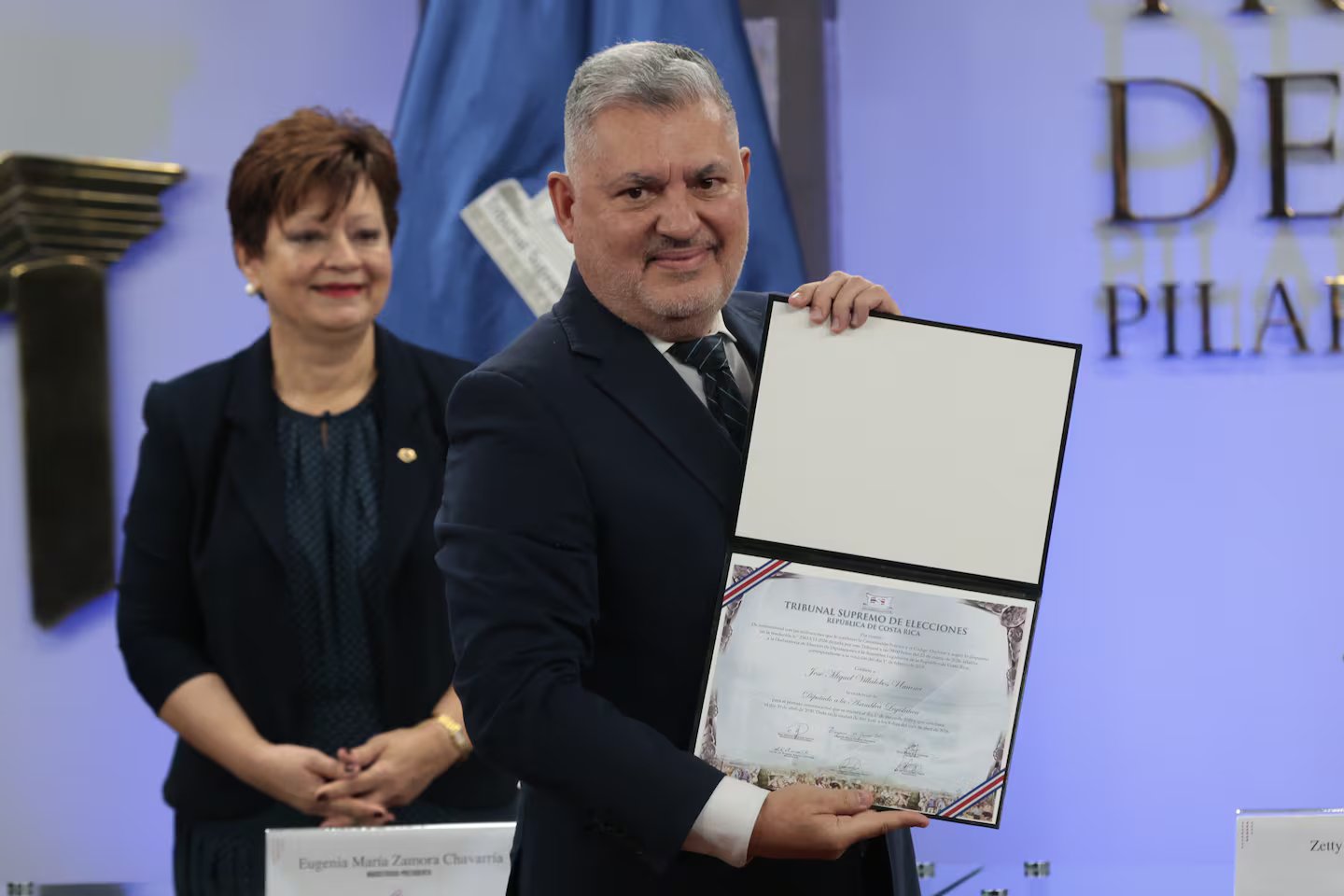
Jose Miguel Villaloboselected deputy of the Chavista Sovereign People’s Party (PPSO), will not be a member of the Special Permanent Commission on Security and Drug Traffickingdespite having stated in statements to The Nation their interest in being part of that legislative body in the next Congress.
The ruling faction confirmed this April 9 that the legislator will be placed in the committees of Legal Affairs, International Relations and Constitutional Consultations. On March 26, consulted by this means, the future congressman said that, due to his training as a criminal lawyer, You are interested in being part of these three forums.
Then He also expressed his willingness to join the Security and Drug Trafficking Commissionone of the key spaces of Congress on organized crime and security policy.
However, the final distribution of commissions defined by Pueblo Soberano left him outside that body. The commission will be made up of the official deputies Gonzalo Ramirezlegislator for San José, former deputy and former president of Congress; Marta Esquivelrepresentative of Heredia, former president of the CCSS; Daniel Sizardeputy for Guanacaste; and Kattia Calvoby Limón.
The formation of Villalobos He is a criminal lawyer and is mainly recognized as a litigatorespecially in criminal law and criminal procedure. He was Minister of Justice in 2002.
Among Villalobos’ current clients are the President of the Republic, Rodrigo Chaves, and José Giovanni Segura Angulo, alias Narizón, the alleged ringleader of the gang suspected of laundering $17 million within the Phoenix Caseas well as six other suspects in that same case.
The elected deputy was also the lawyer for eight of the defendants in the judicial process over alleged corruption in the construction of the border trail.
Villalobos’ assignment It occurs within the framework of the internal distribution of the 31 official deputieswho distributed 21 permanent commissions (six of them are ordinary and 15 special) according to the political strategy of the faction.
As established by the Legislative Regulations, the presidency of Congress establishes which committees each of the congressmen will be on, according to the lists presented to it by the parliamentary fractions.
This assignment of functions generally takes place in the second half of May, at the beginning of each legislature (that is, of each legislative year).