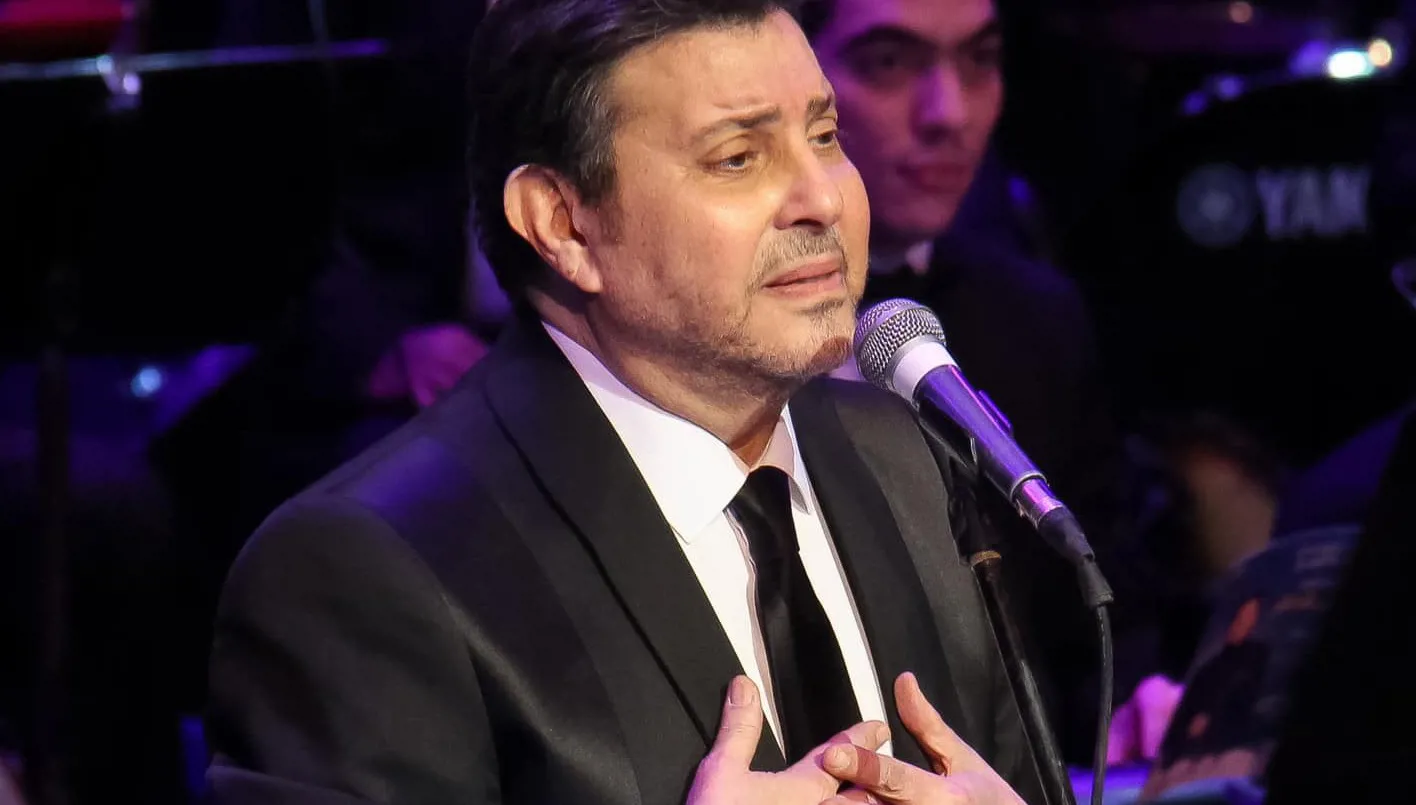
When Hani Shaker died, many felt a personal loss, in reality, not metaphorically. His songs, which numbered more than six hundred, formed the softest background in countless love or teenage stories in the days of the “app,” from the time of the “cassette” that played on a “recorder” or in a car stereo under “The Window of the Beloved,” to the generations of “apps” with the meaning varying from one generation to another. But what many of us do not know is that some of these songs carry, behind their creation and appearance, scenes that are perhaps more exciting than the love they witnessed, and their narration may explain, in one of its aspects, the reason for linking the “Prince of Arab Singing” on the one hand with “The Nightingale”, in a way that goes beyond “danger” or “competition” or artistic “selfishness”, and on the other hand with “love”.

Shaker’s first songs, “Beautiful, my worldHe presented it in 1972 at the “Great Spring Evening” concert at the Tax Authority alongside Faiza Ahmed, composed by Muhammad Al-Muji, who officially supported “The Rising Boy” due to an existing dispute between the legendary composer and Abdel Halim Hafez.
In a way, the connection point with “The Nightingale” continued in Shaker’s fourth song, “That too, moon“In 1975, written by Salah Fayez and composed by Khaled Al-Amir. He did not like it at first, as he saw it as light and unflattering, after Shadia recommended it to him, but in the end she convinced him to perform alongside her on “Layaly TV” with the support of Umm Kulthum, according to rumors. It was the only song that he sang with him, “Halim,” on the stage of the Cairo Sheraton Hotel, shortly before his death trip in London. Shaker narrated this incident, that he insisted before going up to the stage to meet Hafez was there backstage, recalling his memories as a child in the choir behind him, and he said to him: “If I had not heard your voice and loved your songs, I would not have known how to sing.” He added, wondering: “How is it possible for Moji B to fight you?” You are a fourth pyramid.” Then, Abdel Halim embraced him and kissed him.

In 1975, Baligh Hamdi presented the song “He is the one who choseFrom its melodies and from the words of Muhammad Hamza to Hafez, who postponed singing it year after year due to his illness, as the doctors asked him to present one song annually, so he chose to present “Where Do We Start the Story” in the same year, then “The Cup Reader” in the following year, which angered Hamdi until the critics at the time called it “the song of the dispute” among the last two, which reached Hani Shaker in 1977, when “The Nightingale” passed away without He sings it. This song was linked to one of the only two love relationships that Shaker had before his marriage. He said in personal statements that he presented it with great feeling, as its words coincided with his exit from a love story that ended due to a disagreement over “concepts,” as he put it. The two “failed” love stories were also linked to my song.I wish you were with me“and”Believe me“.
Hani Shaker married his companion of future days, Nahla Tawfiq, in 1982, a new experience that prompted him, for the first time, with “normal marital disputes” at the beginning, to express his feelings in writing “The years wrote to me“For himself, in writing and composing, and releasing it in the same year in its first version, what made his partner happy, “as she put pressure on him until he was creative,” he said.
He arrived in 1989 without any disappearance of Shaker’s relationship with Halim, who departed, leaving an unsung song in his closet: “Who else?Written by Morsi Jamil Aziz and composed by Mohamed Abdel Wahab. “The Nightingale” repeatedly postponed singing it, citing the words whose sentences changed more than once, before admitting that the melody “Wahabi is not Halimi.” Later, “Musician of Generations” refused to give it to another singer, so it was the last thing he proposed with his voice, then he gave it to Shaker, who broke it in the last year of the eighties of the last century, releasing the songs “Lulaki” and “Mayal.” He scored a goal for the classic song against Al-Shababiya Al-Saraea. It is noteworthy that Al-Liwaa stipulated that Shaker sing it on stage first before recording it, declaring that the latter was “the best one to sing it.”
As for the song that is most beloved to Shaker’s heart, it is “Are you still asking?(2002), written by Mansour Al-Shadi and composed by Hassan Abu Al-Saud. He said in previous statements to “An-Nahar”: “Every time I perform it, I feel as if I am singing it for the first time.”
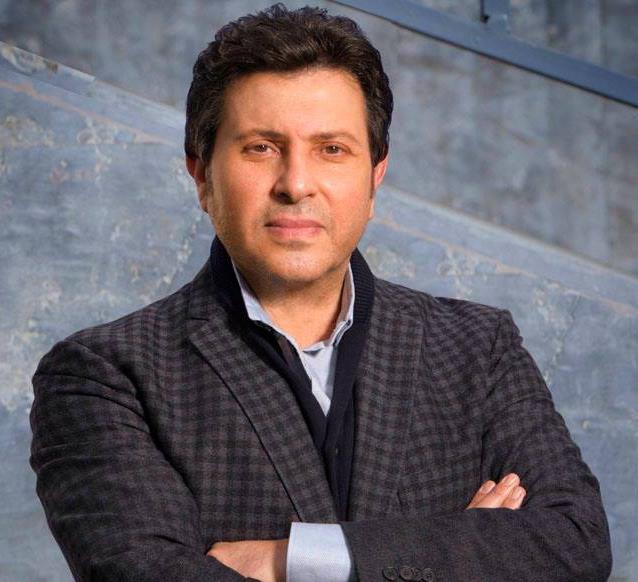
There must be a Lebanese share in Shaker’s “Repertoire” because of his great love for the Land of the Cedars, with which he had a deep emotional relationship, as it was his first artistic destination outside of Egypt. He sang on its stages with Farid al-Atrash and Shadia, and he did not miss it even at the height of the “civil war.” In 2020, he sang for the first time in the Lebanese dialect.How can you forget?“Written by Nadine Al-Asaad and composed by Walid Tawfiq, then in 2024 he presented”Oh, woe to me!Written by Ramya Baddour and composed by Haitham Ziad.
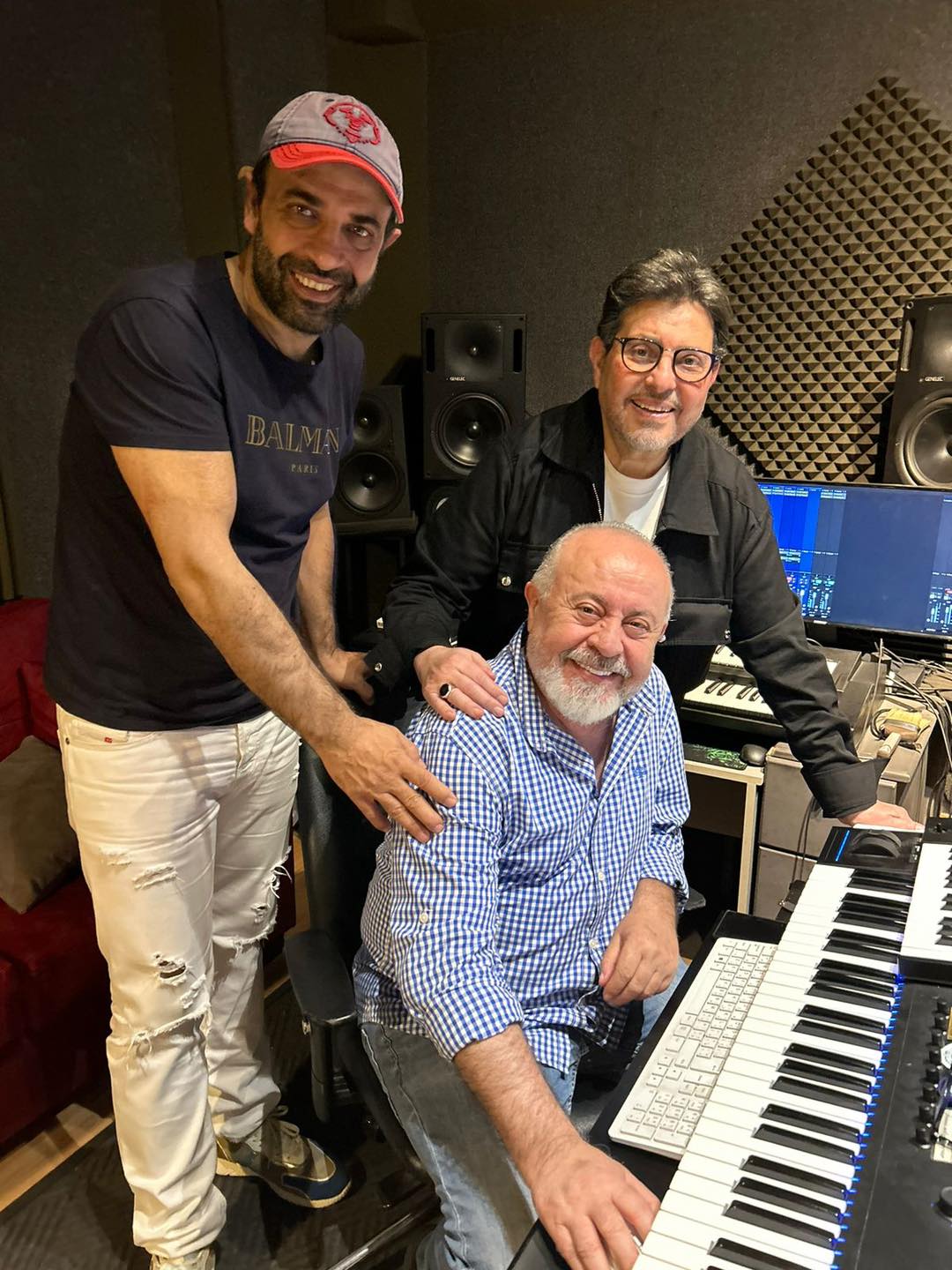
Shaker’s relationship with Lebanon does not end, even after his death, as the deceased recorded two songs that have not yet been released: “He didn’t sleep anymore“In the Egyptian dialect, and”Except me and you“In the Lebanese dialect, it is as if his voice is still searching for its way to its people, and the Lebanese are of course among them, as he did not leave them in the previous woes either!