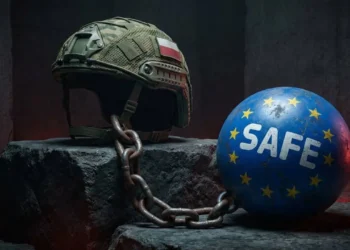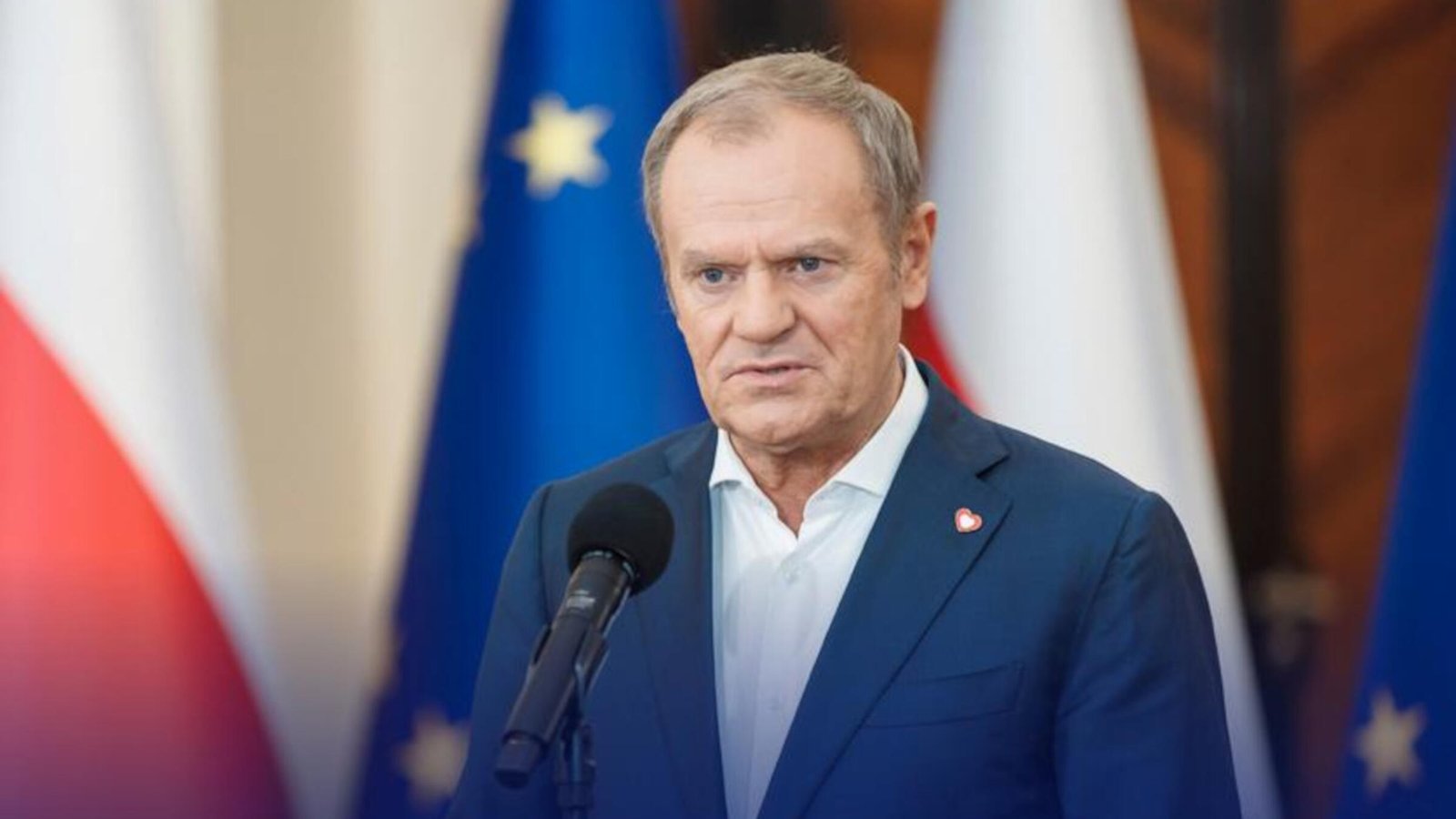
Donald Tusk’s government continues to push forward the SAFE program despite clear opposition from President Karol Nawrocki. The decision to sign a multi-billion-euro agreement is set to be made outside the standard legislative path. In practice, the head of state’s veto – contrary to the Constitution – may be ignored.
Billions of Euros and Debt for Decades
Donald Tusk’s government is continuing efforts to sign a loan agreement under the EU’s SAFE defense program. The document has already been submitted to Brussels and is awaiting formal approval from the European Commission.
The agreement is expected to be signed this Friday in Warsaw – according to RMF FM. Earlier, Deputy Prime Minister and Minister of National Defence Władysław Kosiniak-Kamysz had announced the finalization of the deal:
“If everything goes well, we will sign the SAFE agreement on Friday and open a credit line for equipment purchases,” he said during a briefing in Kraków.
Poland is set to receive €43.7 billion under the program, equivalent to approximately PLN 185 billion. The funds are intended to support the development of defense capabilities, including counter-drone systems, air defense, and military infrastructure.
Repayment of the loan will extend until 2070, with an interest rate of approximately 3.5 percent annually.
A key issue remains the fact that the agreement is being signed despite President Karol Nawrocki’s earlier veto of the law implementing SAFE. Instead, the government adopted a resolution enabling the state-owned development bank, Bank Gospodarstwa Krajowego, to incur the obligation on behalf of the Armed Forces Support Fund.
According to government declarations, as much as 89 percent of the funds will go to the Polish economy and the domestic defense industry:
“Of course, we want to invest everything in the Polish defense industry,” Kosiniak-Kamysz emphasized.
Tusk is completely disregarding the legal and financial constraints of such actions. There is growing concern that the decisions of the December 13 coalition may have catastrophic consequences not only for national security, but also for public finances.