Wednesday, May 6, 2026
    The GeoStrategic Consensus
    No Result
    View All Result
    • Login
    • HOME
    • AMERICAS
      • Argentina
      • Brazil
      • Canada
      • Chile
      • Colombia
      • Costa Rica
      • Cuba
      • Dominican Republic
      • Ecuador
      • El Salvador
      • Greenland
      • Guatemala
      • Honduras
      • Mexico
      • Nicaragua
      • Panama
      • Paraguay
      • Peru
      • United States
      • Uruguay
      • Venezuela
    • ASIA-PACIFIC
      • Australia
      • Brunei Darussalam
      • Cambodia
      • China
      • Federated States of Micronesia
      • Fiji
      • Indonesia
      • Japan
      • Kiribati
      • Laos
      • Malaysia
      • Marshall Islands
      • Mongolia
      • Myanmar
      • Nauru
      • New Zealand
      • North Korea
      • Palau
      • Papua New Guinea
      • Philippines
      • Samoa
      • Singapore
      • Solomon Islands
      • South Korea
      • Taiwan
      • Thailand
      • Timor-Leste
      • Tonga
      • Tuvalu
      • Vanuatu
      • Vietnam
    • CARICOM
      • CARICOM – Non-English
        • Haiti
        • Suriname
      • CARICOM Associates
        • Anguilla
        • Bermuda
        • British-Virgin-Islands
        • Cayman-Islands
        • Curacao
        • Turks-and-Caicos
      • CARICOM English
        • Antigua and Barbuda
        • Barbados
        • Belize
        • Dominica
        • Grenada
        • Guyana
        • Jamaica
        • Montserrat
        • Saint Kitts and Nevis
        • Saint Lucia
        • Saint Vincent and the Grenadines
        • The Bahamas
        • Trinidad and Tobago
    • EURASIA
      • Armenia
      • Azerbaijan
      • Balarus
      • Georgia
      • Kazakhstan
      • Kyrgyzstan
      • Moldova
      • Russia
      • Tajikistan
      • Turkmenistan
      • Ukraine
      • Uzbekistan
    • EUROPE
      • Albania
      • Andorra
      • Austria
      • Bosnia and Herzegovina
      • Bulgaria
      • Croatia
      • Cyprus
      • Czech Republic
      • Denmark
      • Estonia
      • Finland
      • France
      • Germany
      • Greece
      • Holy See
      • Hungary
      • Iceland
      • Ireland
      • Italy
      • Kosovo
      • Latvia
      • Liechtenstein
      • Lithuania
      • Luxembourg
      • Malta
      • Monaco
      • Montenegro
      • Netherlands
      • North Macedonia
      • Norway
      • Poland
      • Portugal
      • Romania
      • San Marino
      • Serbia
      • Slovakia
      • Slovenia
      • Spain
      • Sweden
      • Switzerland
      • United Kingdom
    • MIDDLE EAST AND NORTH AFRICA
      • Algeria
      • Bahrain
      • Egypt
      • Iran
      • Iraq
      • Israel
      • Jordan
      • Kuwait
      • Lebanon
      • Lybia
      • Morocco
      • Oman
      • Palestinian Territories
      • Qatar
      • Saudi Arabia
      • Syria
      • Tunisia
      • Turkey
      • United Arab Emirates
      • Western Sahara
      • Yemen
    • SOUTH ASIA
      • Afghanistan
      • Bangladesh
      • Bhutan
      • India
      • Maldives
      • Nepal
      • Pakistan
      • Sri Lanka
    • SUB-SAHARAN AFRICA
      • Angola
      • Benin
      • Botswana
      • Burkina Faso
      • Burundi
      • Cabo Verde
      • Cameroon
      • Central African Republic
      • Chad
      • Comoros
      • Cote d’Ivoire
      • Democratic Republic of the Congo
      • Djibouti
      • Equatorial Guinea
      • Eritrea
      • Eswatini
      • Ethiopia
      • Gabon
      • Gambia
      • Ghana
      • Guinea
      • Guinea Bissau
      • Kenya
      • Lesotho
      • Liberia
      • Madagascar
      • Malawi
      • Mali
      • Mauritania
      • Mauritius
      • Mozambique
      • Namibia
      • Niger
      • Nigeria
      • Republic of the Congo
      • Rwanda
      • Sao Tome and Principe
      • Senegal
      • Seychelles
      • Sierra Leone
      • Somalia
      • South Africa
      • South Sudan
      • Sudan
      • Tanzania
      • Togo
      • Uganda
      • Zambia
      • Zimbabwe
    • HOME
    • AMERICAS
      • Argentina
      • Brazil
      • Canada
      • Chile
      • Colombia
      • Costa Rica
      • Cuba
      • Dominican Republic
      • Ecuador
      • El Salvador
      • Greenland
      • Guatemala
      • Honduras
      • Mexico
      • Nicaragua
      • Panama
      • Paraguay
      • Peru
      • United States
      • Uruguay
      • Venezuela
    • ASIA-PACIFIC
      • Australia
      • Brunei Darussalam
      • Cambodia
      • China
      • Federated States of Micronesia
      • Fiji
      • Indonesia
      • Japan
      • Kiribati
      • Laos
      • Malaysia
      • Marshall Islands
      • Mongolia
      • Myanmar
      • Nauru
      • New Zealand
      • North Korea
      • Palau
      • Papua New Guinea
      • Philippines
      • Samoa
      • Singapore
      • Solomon Islands
      • South Korea
      • Taiwan
      • Thailand
      • Timor-Leste
      • Tonga
      • Tuvalu
      • Vanuatu
      • Vietnam
    • CARICOM
      • CARICOM – Non-English
        • Haiti
        • Suriname
      • CARICOM Associates
        • Anguilla
        • Bermuda
        • British-Virgin-Islands
        • Cayman-Islands
        • Curacao
        • Turks-and-Caicos
      • CARICOM English
        • Antigua and Barbuda
        • Barbados
        • Belize
        • Dominica
        • Grenada
        • Guyana
        • Jamaica
        • Montserrat
        • Saint Kitts and Nevis
        • Saint Lucia
        • Saint Vincent and the Grenadines
        • The Bahamas
        • Trinidad and Tobago
    • EURASIA
      • Armenia
      • Azerbaijan
      • Balarus
      • Georgia
      • Kazakhstan
      • Kyrgyzstan
      • Moldova
      • Russia
      • Tajikistan
      • Turkmenistan
      • Ukraine
      • Uzbekistan
    • EUROPE
      • Albania
      • Andorra
      • Austria
      • Bosnia and Herzegovina
      • Bulgaria
      • Croatia
      • Cyprus
      • Czech Republic
      • Denmark
      • Estonia
      • Finland
      • France
      • Germany
      • Greece
      • Holy See
      • Hungary
      • Iceland
      • Ireland
      • Italy
      • Kosovo
      • Latvia
      • Liechtenstein
      • Lithuania
      • Luxembourg
      • Malta
      • Monaco
      • Montenegro
      • Netherlands
      • North Macedonia
      • Norway
      • Poland
      • Portugal
      • Romania
      • San Marino
      • Serbia
      • Slovakia
      • Slovenia
      • Spain
      • Sweden
      • Switzerland
      • United Kingdom
    • MIDDLE EAST AND NORTH AFRICA
      • Algeria
      • Bahrain
      • Egypt
      • Iran
      • Iraq
      • Israel
      • Jordan
      • Kuwait
      • Lebanon
      • Lybia
      • Morocco
      • Oman
      • Palestinian Territories
      • Qatar
      • Saudi Arabia
      • Syria
      • Tunisia
      • Turkey
      • United Arab Emirates
      • Western Sahara
      • Yemen
    • SOUTH ASIA
      • Afghanistan
      • Bangladesh
      • Bhutan
      • India
      • Maldives
      • Nepal
      • Pakistan
      • Sri Lanka
    • SUB-SAHARAN AFRICA
      • Angola
      • Benin
      • Botswana
      • Burkina Faso
      • Burundi
      • Cabo Verde
      • Cameroon
      • Central African Republic
      • Chad
      • Comoros
      • Cote d’Ivoire
      • Democratic Republic of the Congo
      • Djibouti
      • Equatorial Guinea
      • Eritrea
      • Eswatini
      • Ethiopia
      • Gabon
      • Gambia
      • Ghana
      • Guinea
      • Guinea Bissau
      • Kenya
      • Lesotho
      • Liberia
      • Madagascar
      • Malawi
      • Mali
      • Mauritania
      • Mauritius
      • Mozambique
      • Namibia
      • Niger
      • Nigeria
      • Republic of the Congo
      • Rwanda
      • Sao Tome and Principe
      • Senegal
      • Seychelles
      • Sierra Leone
      • Somalia
      • South Africa
      • South Sudan
      • Sudan
      • Tanzania
      • Togo
      • Uganda
      • Zambia
      • Zimbabwe
    No Result
    View All Result
    Agentially
    No Result
    View All Result
    Home EUROPE Switzerland

    Mined Dolphins: Why Animals Have a Long History of War

    The Analyst by The Analyst
    May 6, 2026
    in Switzerland
    Mined Dolphins: Why Animals Have a Long History of War


    According to US media reports, Tehran is considering using previously unused weapon systems in the Strait of Hormuz. This also includes mined dolphins.
    According to US media reports, Tehran is considering using previously unused weapon systems in the Strait of Hormuz. This also includes mined dolphins.
    • Iran is considering new means against US warships in the Strait of Hormuz, including dolphins with mines, according to a report.
    • Military forces around the world have been using marine mammals such as dolphins and sea lions for mine detection, protection and recovery for years.
    • The use of animals in war has a long history, has often been controversial and rarely clearly successful.

    The location in the Strait of Hormuz remains tense. In order to counteract the blockade by US warships, Tehran is planning to use it, according to the Wall Street Journal previously unused weapon systems take into consideration. In addition to submarines, these could also be mine-carrying dolphins.

    READ ALSO

    Darren Aronofsky to receive Leopard of Honour at Locarno

    00:43FranceHorses cause chaos on the French motorway131381

    Dolphins have been around for a long time

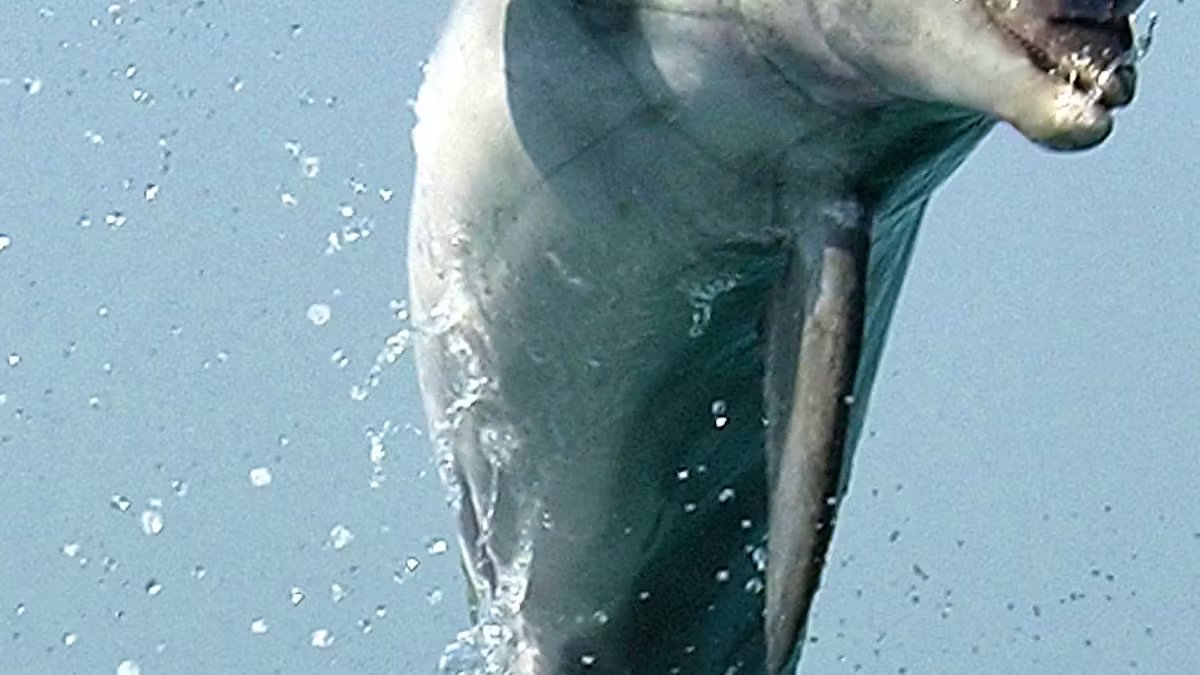
    The idea of ​​using bottlenose dolphins in sea combat is not new. The USA and Russia maintain programsto use marine mammals for military purposes. Both sides have trained dolphins to detect sea mines. According to the US Navy, dolphins detected over 100 mines in the port of Umm Qasr during the 2003 Iraq War. The Americans also use dolphins for guarding tasks. You are supposed to attach a buoy to enemy divers that pulls them to the surface.
    A U.S. Navy bottlenose dolphin training in the Persian Gulf. (Archive photo from 2003).
    A U.S. Navy bottlenose dolphin training in the Persian Gulf. (Archive photo from 2003).Wikimedia Commons/US Navy/PD

    The latter is particularly worth talking about. Political analyst Karim Sadjadpour of the Carnegie Endowment for International Peace in Washington called the dolphin idea a “very crazy, asymmetrical tool” that “doesn’t exude any strength.”

    A look at history shows that the use of animals in war is neither new nor necessarily successful:

    Exploding rats

    The British also came up with the idea of ​​equipping animals with bombs. In the Second World War They prepared dead rats with explosives. They were supposed to be placed by underground fighters on the coal reserves next to German heaters. Shoveled into the heating system by the Germans, they were then supposed to cause destruction. Other explosive rats were fitted with time fuses. However, the first shipment of 100 rat bombs was intercepted by the Nazis and the program was stopped.

    Dead but deadly: the rat carcasses were filled with explosives.
    Dead but deadly: the rat carcasses were filled with explosives.Wikimedia Commons/The National Archives, Kew/OGL 3

    Anti-tank dogs

    A different approach in Fight against the Nazis chose the Russians. They trained dogs to use live anti-tank mines. The dogs, also known as anti-tank dogs, were supposed to crawl under German tanks with explosives, where they then exploded. But a lot of problems emerged in the field and it remains unclear how successful the program was. Russian propaganda spoke of 300 tanks destroyed, but there were probably significantly fewer. In 1942, the dogs are said to have even forced an entire Russian armored division to retreat.

    Dogs against tanks: Russians relied on mined four-legged friends in World War II.
    Dogs against tanks: Russians relied on mined four-legged friends in World War II.P.D

    Napalm bats

    In the fight against Japan, the USA developed in the Second World War Bat bombs. 1040 animals were to be dropped on parachutes over cities in a collection container and then look for a quiet place. Time-controlled napalm incendiary devices were then intended to cause destruction, as many Japanese houses at that time were still made of wood and paper. After a few training accidents and because of the development of the atomic bomb, the program was canceled.

    This bat bomb is said to have contained over 1,000 animals equipped with incendiary grenades.
    This bat bomb is said to have contained over 1,000 animals equipped with incendiary grenades.Wikimedia Commons/US Air Forces/PD

    Infested fleas and flies

    Japan also relied on animals as weapons during World War II. That’s how they were back then infected insects dropped from airplanes to cause cholera and plague in China. 440,000 Chinese are said to have died. Similar insect weapons were also being researched in Canada at the time. France and Germany also worked on insect warfare. They examined the use of Colorado potato beetles to destroy the enemy’s food supplies. During the Cold War, both the United States and Russia pursued additional insect programs.

    Japanese bombers in World War II.
    Japanese bombers in World War II.Getty Images

    Sea Lion Guardian

    The US Navy uses sea lions as guards. The animals protect harbors and warships. For example, you can attach tracking devices to enemy divers that function like handcuffs. They are also trained to recover military items. For example, you will learn how to attach rescue ropes to such objects.

    A U.S. Navy Mammal Program sea lion attaches a recovery line to a test device.
    A U.S. Navy Mammal Program sea lion attaches a recovery line to a test device.US Navy Marine Mammal Program
    Beluga whale Hvaldimir in 2019 in Hammerfest harbor, Norway.
    Beluga whale Hvaldimir in 2019 in Hammerfest harbor, Norway.Wikimedia Commons/Ein Dahmer/CC BY-SA 4.0

    Pigeon guided missiles

    During World War II, American behavioral scientist BF Skinner developed a system that allowed pigeons to guide rockets. They sat in a kind of cockpit and saw the target, such as an enemy ship, on a screen in front of them. They had to constantly peck at the target, which translated into course corrections. The project was finally abandoned in 1953 with the development of electronic steering systems.

    Before the introduction of electronic guidance systems, pigeons were intended to guide rockets.
    Before the introduction of electronic guidance systems, pigeons were intended to guide rockets.U.S. Army

    War elephants

    Since ancient times, military commanders have used elephants to fight battles. Such missions have been handed down by Hannibal and Alexander the Great. Elephants were also used later, but with the advent of powerful firearms, they were no longer used in battle, but as transport animals.

    Elephants were also used during Hannibal's crossing of the Alps.
    Elephants were also used during Hannibal’s crossing of the Alps.Wikimedia Commons/José Luiz Bernardes Ribeiro/CC BY-SA 4.0

    War pigs

    Pigs proved to be an effective remedy against elephants early on. They are said to have frightened the elephants so much that they ran away. Both the Romans and Alexander the Great are said to have used pigs against enemies with elephants.

    From the perspective of elephants, pigs are “fearful”.
    From the perspective of elephants, pigs are “fearful”.Unsplash

    Minesweeping rats

    The Belgian non-governmental organization Apopo has been using giant hamster rats for mine clearance in East Africa for several years. The animals called Hero Rat have already detected tens of thousands of mines and thus supported the clearance of this deadly danger. In other parts of the world, rats are also used by various organizations for demining. Last year managed it A rodent named Ronin even made it into the Guinness Book of Recordsbecause he sniffed out well over 100 mines and prevented numerous tragedies. In 2020, another rat, Magawa, was in Cambodia for his services was honored with a gold medal.

    The organization Apopo relies on rats to make the world safer.
    The organization Apopo relies on rats to make the world safer.Apop

    Subscribe to Knowledge Channel notifications in the 20-minute app. You will be informed about groundbreaking research findings and discoveries, explanations of current events and curious news from the wide world of science. You will also receive answers to everyday questions and tips for a better life.

    This is how it works: Install the latest version of the 20 Minutes app. Tap on “Profile” at the bottom, then on the “Settings” gear and finally on “Push notifications”. Select the topics you want here.

    Fairy Anabelle Riebeling

    Fee Anabelle Riebeling (fee) has been working for 20 minutes since 2014. She is deputy. Head of Knowledge, History & Digital and Head of the Fact Check & Verification expert committee.

    Jean Claude Gerber

    Jean-Claude Gerber (jcg) has been working for 20 minutes since 2005. He has been head of the Knowledge, History and Digital department since 2013 and a Blattmacher since 2020.




    Source link

    Related Posts

    Darren Aronofsky to receive Leopard of Honour at Locarno
    Switzerland

    Darren Aronofsky to receive Leopard of Honour at Locarno

    May 6, 2026
    00:43FranceHorses cause chaos on the French motorway131381
    Switzerland

    00:43FranceHorses cause chaos on the French motorway131381

    May 6, 2026
    Mental illness costs Switzerland more and more
    Switzerland

    Mental illness costs Switzerland more and more

    May 6, 2026
    Germ spinner in the hotel shower: What guests should know about dispenser bottles
    Switzerland

    Germ spinner in the hotel shower: What guests should know about dispenser bottles

    May 6, 2026
    Childhood bullying found to encourage belief in conspiracy theories
    Switzerland

    Childhood bullying found to encourage belief in conspiracy theories

    May 6, 2026
    Hipp poisoning: This is the arrested suspect Pavel S.
    Switzerland

    Hipp poisoning: This is the arrested suspect Pavel S.

    May 5, 2026
    Next Post
    The security situation is rapidly deteriorating. Swiss report reveals what Europe should fear – World – News

    The security situation is rapidly deteriorating. Swiss report reveals what Europe should fear - World - News

    POPULAR NEWS

    Justin Bieber fans flood Coachella festival for headlining show – Entertainment

    Justin Bieber fans flood Coachella festival for headlining show – Entertainment

    April 20, 2026

    Over 600 flee homes as Army, NPA clash in Negros Occidental

    April 21, 2026

    Ex-DPWH exec recalls P800-M ‘delivery’ to Zaldy Co 

    April 20, 2026

    Former PM Paluckas suspends party membership, to waive immunity over criminal probe

    April 24, 2026
    Pres. Ali challenges CARICOM to transform into health research powerhouse

    Pres. Ali challenges CARICOM to transform into health research powerhouse

    April 23, 2026

    EDITOR'S PICK

    Weather forecast for Wednesday, April 22: rain with storms on the Coast and the Amazon | Ecuador | News

    Weather forecast for Wednesday, April 22: rain with storms on the Coast and the Amazon | Ecuador | News

    April 23, 2026
    The third edition of ‘Pádel by Grand Thomas 2026’

    The third edition of ‘Pádel by Grand Thomas 2026’

    May 3, 2026
    Blackheart shifts to U20 format, with $60,000 up for grabs

    Blackheart shifts to U20 format, with $60,000 up for grabs

    April 23, 2026
    Plan for new ‘inclusive special classes’ is anything but inclusive – The Irish Times

    Plan for new ‘inclusive special classes’ is anything but inclusive – The Irish Times

    May 3, 2026

    Recent Posts

    • Massy Foundation expands to Saint Lucia, opens new grant opportunities
    • Eight states create new penduricalhos after STF limits – 05/06/2026 – Politics
    • A literary work in recognition of women
    • Luis Gilberto Murillo will renounce his presidential candidacy to join Iván Cepeda’s campaign

      © 2026 Agentially - Navigating shifting sovereignties and global risk .

      Welcome Back!

      Login to your account below

      Forgotten Password?

      Retrieve your password

      Please enter your username or email address to reset your password.

      Log In
      No Result
      View All Result

        © 2026 Agentially - Navigating shifting sovereignties and global risk .

        This website uses cookies. By continuing to use this website you are giving consent to cookies being used. Visit our Privacy and Cookie Policy.