Senacyt’s budget went from $83.3 million in 2025 to $61.9 million in 2026, with a drop of up to 30% in the investment component in strategic areas.
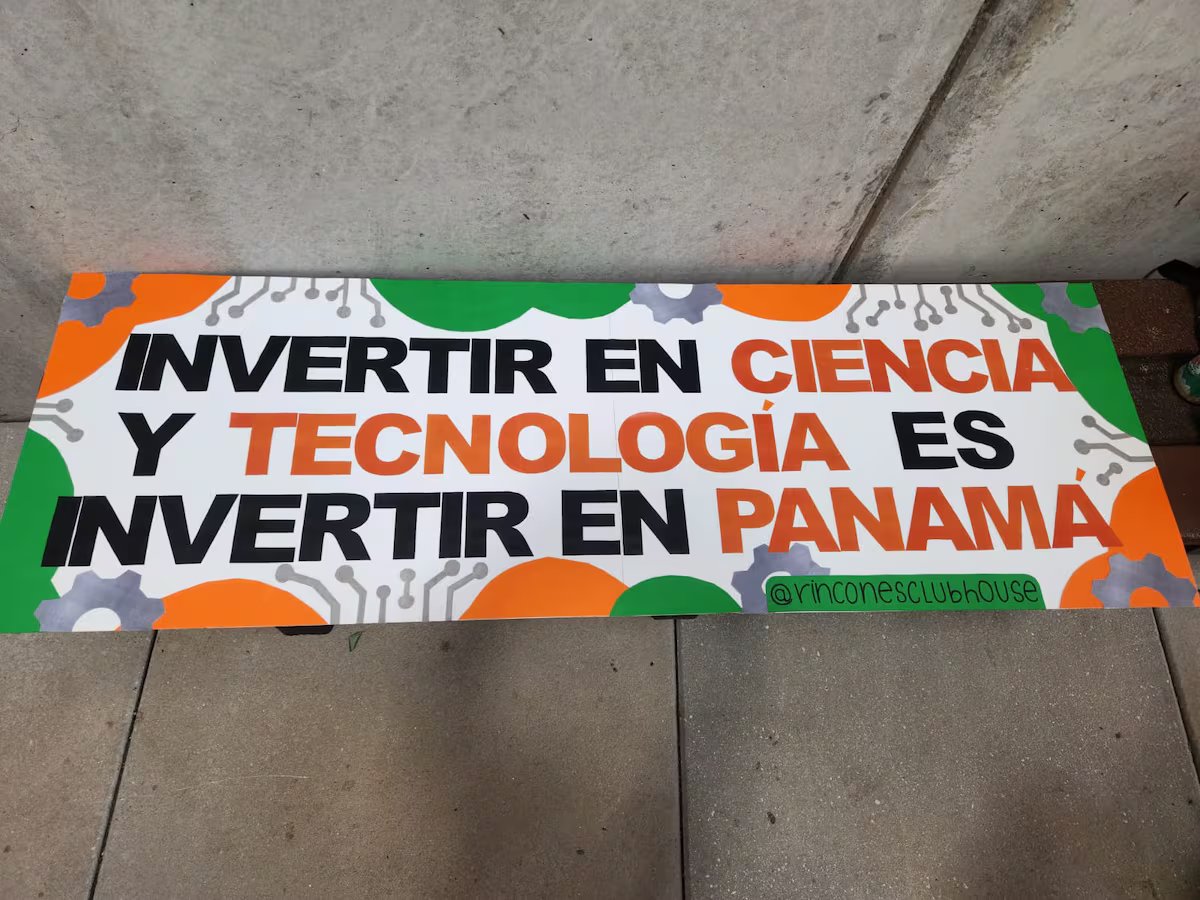
Science in Panama is once again under budgetary pressure. The National Secretariat of Science, Technology and Innovation (Senacyt) He went this April 29 to the Budget Committee of the National Assembly to support the approval of $10.87 million in additional credits and transfers, after its budget for 2026 registered a reduction of 25.6%.
The request, already endorsed by the deputies, seeks to cushion the impact of the cut in areas such as research, scientific training and innovation, considered pillars of the national science and technology system.
The national secretary of Science, Technology and Innovation, Eduardo Ortega Barriaexplained that the budget went from $83.3 million in 2025 to $61.9 million in 2026. He noted that the drop is more pronounced in the investment component, where cuts reach up to 30% in strategic lines.
As detailed, research and development programs, scientific equipment, infrastructure and regional centers register a decrease of close to 35%, while the formation of human capital – master’s, doctorate and academic mobility scholarships – is the most affected area, with cuts of up to 82%.
This data raised alerts within the scientific system, putting at risk the continuity of advanced training of researchers, one of the axes that Senacyt has promoted during the last decade to strengthen local capacities and reduce dependence on external knowledge.
Given this panorama, the requested resources seek to sustain programs in execution and avoid a drop in scientific production. Among them are master’s degrees in climate change, engineering, energy sustainability and chemical sciences, developed together with the Technological University of Panama and the Autonomous University of Chiriquí.
The strengthening of National Research System is also among the priorities, with funding for active scientists and projects in areas ranging from basic sciences to applied innovation.

At the infrastructure level, part of the resources will be allocated to Regional Center for Innovation in Vaccines and Biopharmaceuticalslocated in the City of Knowledge, where research is carried out in immunology, biotechnology and messenger RNA technologies.
It will also reinforce the Institute of Scientific Research and High Technology Services (Indicasat-AIP)which will incorporate a massive DNA sequencer and a high-performance computing system. These tools will expand the capacity for genomic analysis, epidemiological surveillance and biodiversity studies.
Science against cancer, under budget pressure
Senacyt maintains as a priority the cancer research program, a disease that is the main cause of death in Panama, with nearly 17% of deaths and more than 7,700 new cases each year.
With the additional resources, it is planned to advance the “Science against Cancer” program, aimed at biomedical research, strengthening the national cancer registry, creating tissue banks and training specialists in oncology and clinical research. In this case, the transfer for oncological research amounts to $2.17 million and comes from a donation from the independent group Vamos, from the post-election subsidy.
Added to this is the commitment to emerging technologies considered strategic for the country’s competitiveness. Artificial intelligence, biotechnology, cybersecurity and green energies are part of this agenda in a global scenario in which technological innovation increasingly defines the positioning of economies.
Although the approval of these funds does not reverse the initial cut, it allows critical programs to be sustained. However, the adjustment reveals a recurring concern: the fragility of science financing in Panama and its dependence on annual fiscal decisions.

Under the umbrella of Senacyt, different centers and initiatives operate under the model of public interest associations (AIP), among them the National Metrology Center of Panama (Cenamep), Coiba AIP, the National Institute of Advanced Scientific Research in Information and Communication Technologies (Indicatic), Infoplazas and the International Center for Political and Social Studies (Cieps).
According to official data from Senacyt, Panama invests around 0.13% of the Gross Domestic Product (GDP) in science, technology and innovation. The figure drops to 0.08% if the investment from the Smithsonian Tropical Research Institute is excluded, which shows the limited fiscal effort in this sector.
The debate transcends the figures and puts a fundamental discussion back on the table: the level of priority that science has within the country’s development model, in a context where innovation defines competitiveness, public health and economic growth.