- Greece is tightening its beach rules: the number of specially protected “pristine beaches” rises to 251.
- Motorized vehicles, deck chairs, umbrellas, loud music and commercial activities are prohibited on these beaches.
- Violations can result in fines of 2,000 to 60,000 euros – compliance is sometimes monitored by drone.
Greece is tightening the reins: This summer, holidaymakers will have to adhere to significantly stricter beach rules. The government wants to consistently protect its coasts with stricter regulations. At the end of April, the network of so-called untouched beaches was expanded again – the number of specially protected sections increased from 238 to 251.
Which beaches are affected?
The new protected areas are spread across several regions of the country. On Lefkada, Kastro Beach on the outskirts of the city has been integrated into a Natura 2000 area with lagoons and salt flats. A section on Lake Chortarolimni was also added on Lemnos, and other areas are on the Acheloos Delta and the Mesolongi Lagoon. On Ano Koufonisi, Pori and Italida beaches were placed under protection after planned uses were halted following protests.
One focus is on Crete: Additional coastal sections were included, especially in the west, such as around Falassarna, Elafonisi and along the coast to Cape Krios.
What applies on these beaches?
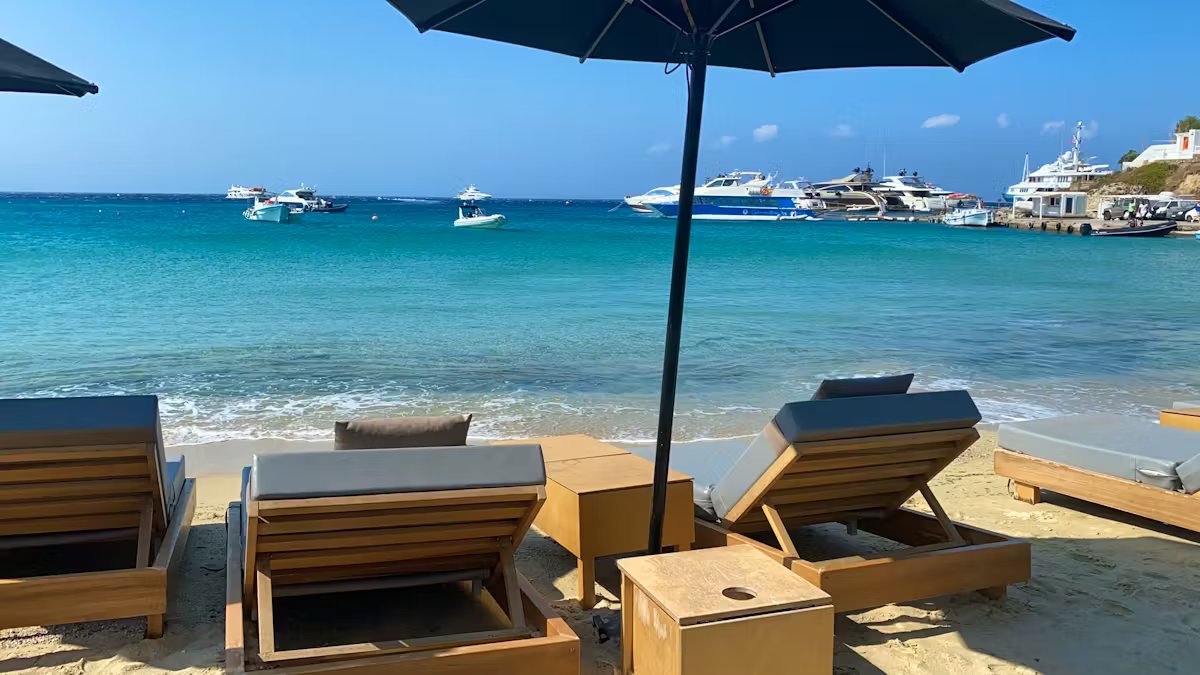
Strict requirements apply to all 251 protected beaches. Motorized vehicles are prohibited, as are events with more than ten people. Loud music via speakers or other devices is also prohibited. In addition, no tables, chairs, parasols or loungers may be set up. Commercial activities are completely excluded: neither water sports rentals nor mobile snack or sales stands are permitted. New permits for commercial use are generally no longer issued in these zones.

What penalties are there?
Violations can be expensive: According to “Bild”, fines range from around 2,000 to 60,000 euros – depending on the severity of the offense. Compliance with the regulations is sometimes even monitored from the air, for example with the help of drones.
Why were the measures tightened?
The background is the enormous pressure from tourism: Greece recently reached a new record with around 38 million visitors.

Karin Leuthold (kle), born in 1968, has been working for 20 Minuten since 2005 and is currently working at the news desk.