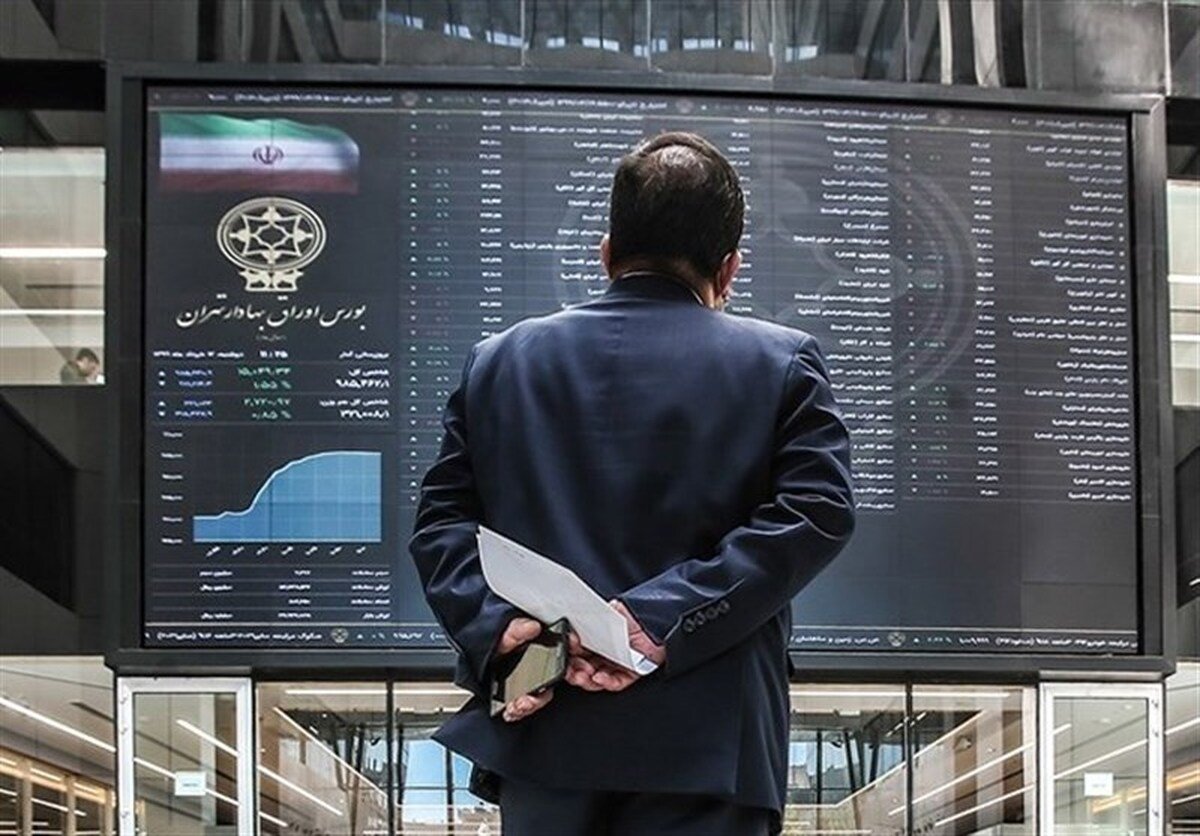
According to the online economy report, quoted by Fars; With the beginning of the third imposed war, trading in the Tehran Stock Exchange was stopped. This market is a space in which more than 2.5 million shareholders from small investors to financial institutions are active.
Therefore, its reopening is not only a technical decision, but also a macroeconomic and social necessity. In the post-war situation, any unsustainable decision can lead to a sharp reduction in household wealth, loss of public confidence, and aggravation of inflation (through liquidity flows to currency and gold).
The report of Danesh-Banyan think tank suggests that listed companies be divided into three categories based on the amount of damage caused by the war:
Group A: companies with the least damage (at least 80% of production capacity preserved), which have little dependence on imports (such as food and agriculture industries).
Group B: Companies with supply chain disruption (such as automotive and pharmaceuticals), but without physical destruction.
Group C: Companies with direct destruction and loss of more than 50% capacity (such as South Petrochemicals and some steels).
According to this report, reopening should be done in stages:
The first stage (group A) begins with the issuance of subordinated sales warrants for index-making stocks. These bonds guarantee the selling price of shares based on the weighted average of the first 7 days of trading and prevent emotional selling.
The second stage (group B) is done at least 15 days after the first stage. The primary fluctuation range is considered to be more limited and companies are required to provide alternative raw material supply plan.
The third stage (group C) is implemented in two periods:
First period: five-day window with no swing limit for liquidation, with no effect on the final reopening price.
Second period: Reopening with 1% fluctuation range for 20 working days, to avoid sudden price drop.
To control the fluctuations caused by large transactions, it is suggested that transactions with a value of more than 50 billion tomans or a share of more than 0.5% of the company’s capital be carried out in a separate board for major transactions.
The role of executive bodies is also key. The stock exchange organization is responsible for determining the categories, managing the reopening process and monitoring the major trading board. The Ministry of Economy should provide the necessary guarantees for subordinated sales warrants and emergency credit lines for brokers.
On the other hand, the Ministry of Security is responsible for validation by providing field statistics of damages. The media, in coordination with the joint information team, publish clear and consistent messages.
This plan, in addition to reducing the market shock, provides the possibility of financing the reconstruction of production units and prevents the loss of liquidity to unproductive markets.
It should be mentioned that the Securities and Exchange Organization once again extended the closure of the stock market until Monday, May 14, 1405.