“I’m incredibly happy and joyful. It’s a great day and I’m looking forward to everything that lies ahead of us,” said Schnieder.
The negotiations with the SPD for a future government alliance were trusting. After 35 years in different roles, it was also necessary to develop trust. The negotiated coalition agreement bears a clear signature of the CDU.
Schweitzer and the SPD chairwoman Sabine Bätzing-Lichtenthäler had also promoted the coalition agreement and announced a systematic approach to the election defeat. The party needs to “rub up” the wound so that it can heal, said Bätzing-Lichtenthäler. The main reason for the election result is the overall situation of the SPD in Germany. “But that’s just one of the reasons.”
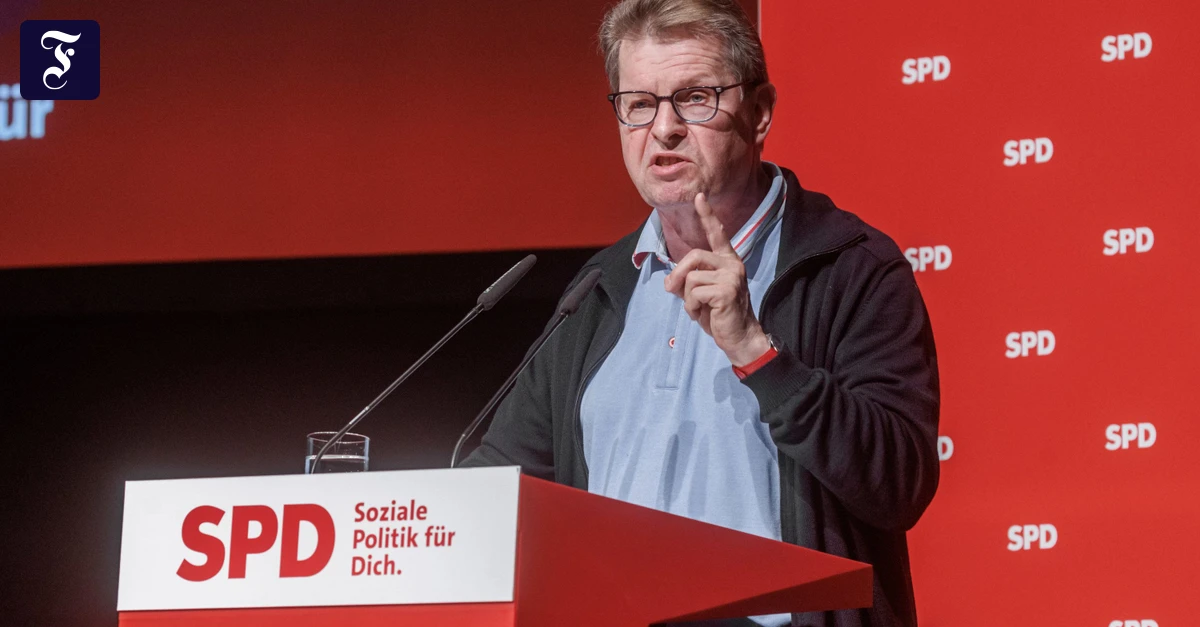
“We have an excellent coalition agreement, but still an election result that is far too bad,” said Schweitzer, who briefly fought back tears at the end of his speech. However, the SPD brand has suffered deep scratches throughout Germany.
“We are no longer the state chancellery SPD, but still the government SPD,” emphasized Schweitzer. And with a view to the highly contested Ministry of Finance, which remains in SPD hands: “There will be no government bypassing the SPD as a partner. We will be a strong, self-confident and creative partner.”
The CDU emerged from the state elections on March 22nd as the strongest force for the first time in 35 years. She only explored with the SPD; other constellations are not possible in the new state parliament. The CDU and SPD categorically ruled out collaboration with the AfD. For the election of the new Prime Minister, the CDU and SPD have a whopping majority of a good two-thirds.