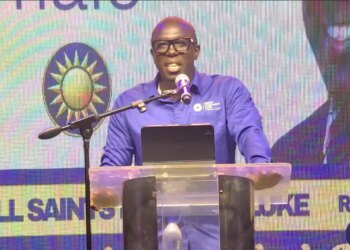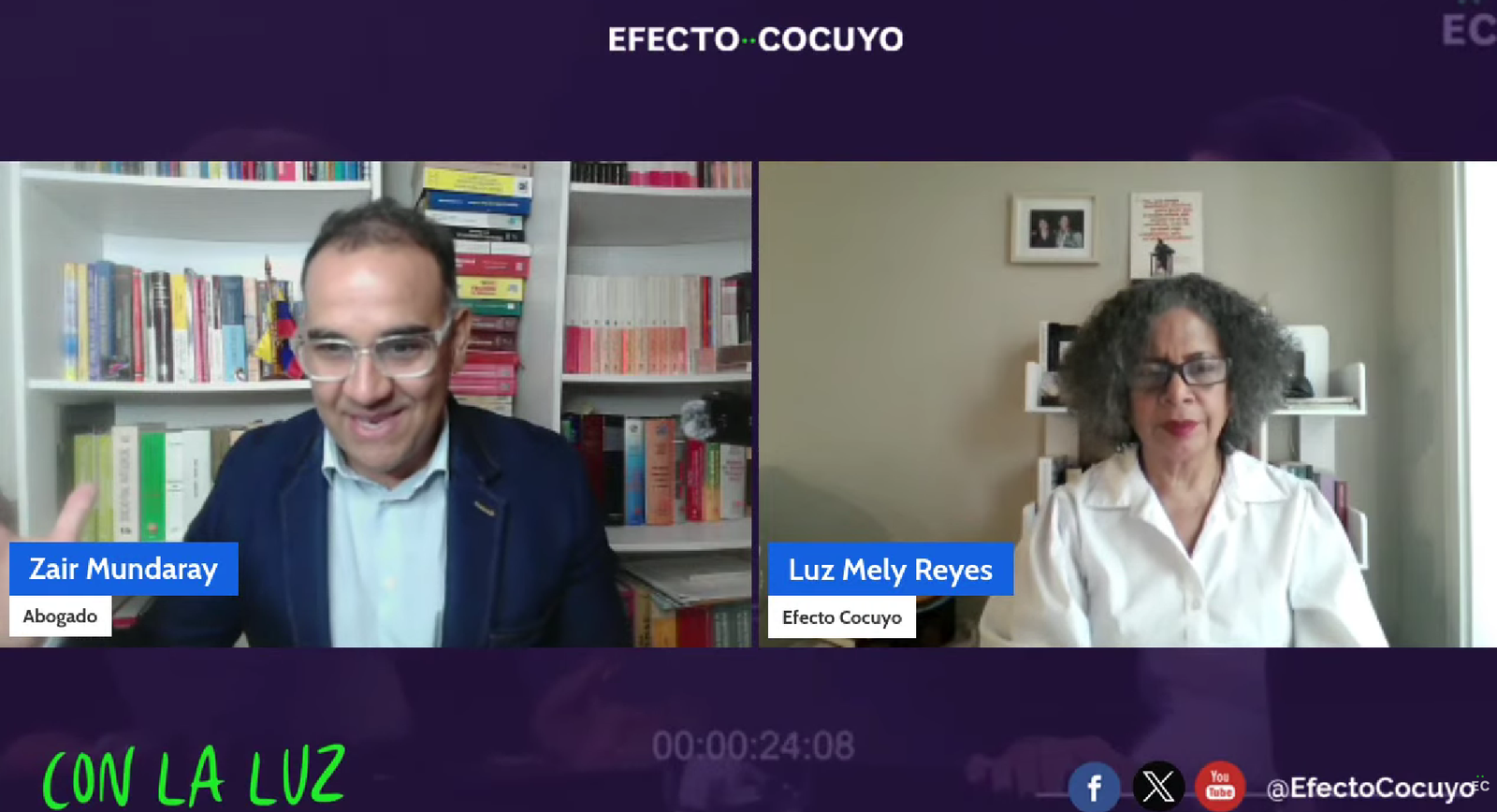
In the recent broadcast of the interview space With the Lightthe lawyer and specialist in judicial matters, Zair Mundarayoffered exclusive details about the reactivation of the trial for the corruption plot known as «PDVSA-Crypto».
During the conversation with Luz Mely Reyes, director offecto Cocuyo, Mundaray warned that the process, which involves 64 defendants—among them former minister Tareck El Aissami, Samark López and Hugbel Roa—is being carried out under a scheme of absolute opacity that violates the Constitution.
An “oral but not public” trial
Mundaray highlighted that, although the Venezuelan criminal process requires that trials be oral and public to guarantee transparency and social oversight, the hearings held in the Fourth Trial Court with jurisdiction over terrorism and corruption have been strictly private.
«We are seeing a private trial, which is a cause for annulment. “It is not understood why, in an issue of national interest where there is massive property damage, access to the press and the public is prevented,” said the lawyer.

Disconnection and weakness in the “theory of the case”
One of the most critical points raised by Mundaray is the procedural clumsiness of the Public Ministry. He explained that the prosecution has tried to group the 64 defendants (which include everyone from high-ranking officials to minor service contractors and even civilians with no clear connection) into a single criminal structure without being able to establish what each person did.
- Lack of accounting evidence: According to Mundaray, there is no accounting expert report presented by the Attorney General’s Office or the Prosecutor’s Office that determines exactly how much the property damage amounts to.
- Research “in reverse”: The lawyer revealed that, according to the minutes, the investigation formally began on March 17, 2023, the same day of the arrests. «First you stopped and then you started to investigate; “That is contrary to any rule of law.”.
Torture and political defenses
Mundaray brought up the statement of Hugbel Roawho stated in a hearing that he had been tortured in front of prosecutors to force him to record videos blaming El Aissami.
Likewise, he drew attention to the defense strategy of El Aissami, whose lawyer has opted for a political speech instead of a technical one. According to the reports received by Mundaray, the defense argues that the “revolution failed” the former minister and that he is the victim of a political bill for being perceived as a “threat” due to his weight within Chavismo.
The “empty box” hypothesis
For the analyst, the reactivation of the case at this time has a pre-electoral background. Mundaray maintains the hypothesis that, when seeking funds for the campaign and public spending, Nicolás Maduro’s entourage found that “the money was not there”.
«My thesis is that this served to end one of the most important poles of power that was in the way. Regardless of whether the crime occurred —because the money was diverted through the Anti-Blockade Law and the use of crypto assets—, the current trial seems designed to behead a political group rather than to recover the assets of the Republic,” he concluded.
Keys to the case according to Mundaray:
- Health of detainees: It is reported that both El Aissami and Hugbel Roa show notable physical deterioration after their confinement in El Rodeo I.
- Charged crimes: Appropriation of public assets, concert with contractor, money laundering and treason.
- Next steps: The trial will continue this Wednesday, under pressure from defense lawyers to allow access to the files and publicity of the debate.