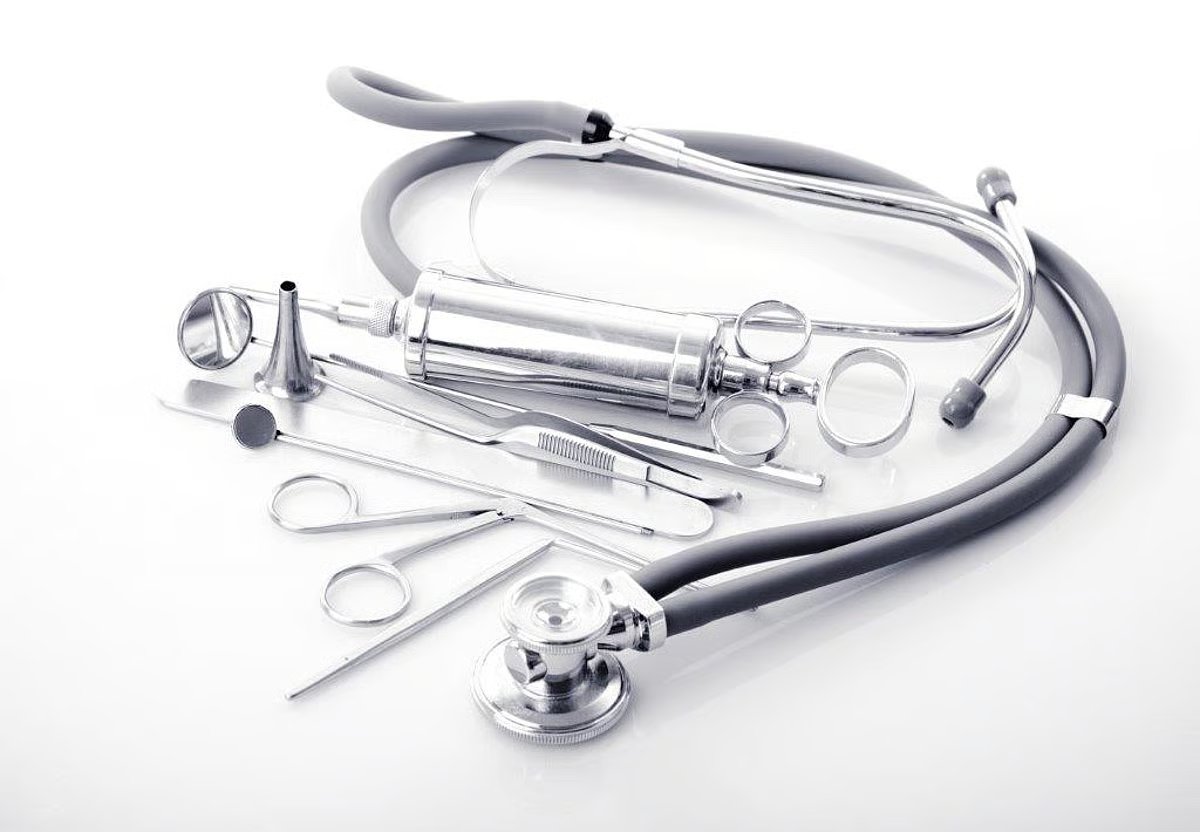
The association that represents companies that produce and distribute medical devices warned this Friday, April 24, of the risk of shortages of these products in Portugal, if the war in the Middle East prolongs.
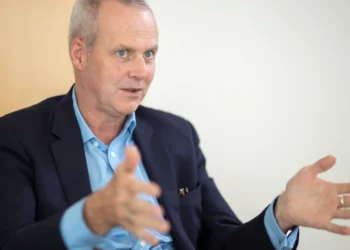
If conflict continues and preventive measures are not taken, “There is a risk of shortages of some products, essentially due to the erosion of margins caused by external costs that companies cannot control.”such as logistics, raw materials and energy, highlighted the executive director of the Portuguese Association of Medical Device Companies (APORMED).
Quoted in a statement, João Gonçalves also highlighted that companies in the sector find it difficult to reflect cost increases to the end customer, when it comes to public hospitals with ongoing tenders and whose price was previously established before the conflict.
The association also expressed concern about the impact that the war is already having on the activity of companies producing and distributing this type of product, recalling that, even before the conflict in the Middle East, the sector was already being “negatively impacted” by the customs tariffs imposed by the USA.
The main constraints are related to the “high increases” in energy and transport costs and a “very significant increase” – between 15% and 40% – in various raw materials used in the manufacture and sterilization of medical devices, such as PVC, polyethylene, polypropylene, aluminum, steel, ethylene oxide and helium, among others, APORMED said.
According to the association, the situation could “become more critical, given that the State Budget for 2026 includes a 10.1% cut in spending on the acquisition of goods and services” for the health sector, with a consequent decrease in spending on medical devices.
“Saving in this sector could mean a reduction in hospital activity, with an impact on waiting lists for surgeries and medical appointments”warned APORMED, recognizing that there are no widespread failures yet, but there are “reports that some hospitals are struggling” when purchasing consumables, such as examination gloves and other personal protective equipment.
The association also expressed “total availability” to work with national authorities in the search for “balanced solutions” that allow resolving or mitigating possible supply disruption scenarios.
On Wednesday, the Portuguese Association of Hospital Administrators (APAH) said that some hospitals are already facing difficulties in purchasing consumables, such as gloves and bags, due to the sharp rise in the prices of raw materials caused by the war in the Middle East.
All of these consumables have seen a very significant increase in price, in some cases 30%, 40%, 50%, in a very short space of time, since this conflict began in the Middle East”, the president of APAH, Xavier Barreto, told Lusa.
Infarmed also admitted that the conflict in the Middle East is having an impact on logistics and fuel and energy costs, but guaranteed that no disruptions in the supply of medicines and medical devices were recorded.
Created in 1990, APORMED has 103 associated companies that represent more than 60 percent of the market in the health technology sector, of which 94% are micro, small and medium-sized companies.