For the average man, failure can trigger shame and feelings of inadequacy. But human behavioural coach and author Arnold Best is urging men to see it as an opportunity to learn.
Best, creator of the Arnold Best Human Performance Method, said nobody likes to fail. But when it happens, men should embrace it and recognise it as part of a broader life lesson.
The method is a transformational framework that encourages individuals, leaders and organisations to focus on sustainable change rather than short-term motivation. It combines mindset work with practical systems and accountability.
“I want men to understand that it’s okay to fail. I call it learning. I want them to learn; I want them to fail to learn.”
Best knows what it feels like not to get things right the first time. Developing his method took 14 years and involved many challenges. It is now a step-by-step process designed to help people overcome challenges in their lives.
“It’s not a plaster to cover a cut. It’s something that you consistently do. It’s governed by three pillars: identity, who you are; your purpose; and ownership. What do we own? We tend not to own things, and often we tend not to own things that mean or add value to our lives.”
Sometimes, he said, people refuse to take ownership even of their successes.
“You know, sometimes people congratulate us for something we did well, and we will brush it off and say, ‘That’s small thing,’ instead of owning it and saying, ‘Thank you.’”
Best has shared these principles with the young men he has mentored over the years. Some have taken his advice to heart; others have been less receptive.
“The world has changed so much that the devices in their hands are their main mentors. But I still talk to them and show them the possibilities.”
Requests for life coaching for young people come through various channels, including organisations, parents and schools. Best said he is always willing to engage with them.
What he has noticed, he told WE, is that young people in the Caribbean and beyond often limit themselves because they are afraid of the “F word”. He acknowledges that failure can cause a setback and, to some extent, embarrassment. But he believes a man who understands who he is will not be defeated by failure. Instead, he can use it as a stepping stone to do better next time.
“Embrace it, understanding that that is part of the process; embrace it in a way that you’re happy to fail in order to learn.”
Best mentors many young men in Trinidad and Tobago. One of the first things he encourages them to do is understand who they are.
“We have an identity crisis. There are a lot of young people walking around, most of them right now, are falling into the gap of who we are as a people.”
He believes young people should create their own identities rather than simply adopt the identities their parents create for them.
“Identity is one of the things I will encourage young people, especially young men, to always hold on to. Find yourself, at least, as best as you can.”
Establishing an identity also involves finding one’s purpose, he said, and the time it takes will differ from person to person.
“There is no full-stop when it comes to finding your purpose. If you don’t know it yet, fine. If you don’t know where to find it, just continue trying different things. Don’t ever stop trying.”
Best believes a man who knows his purpose will take ownership of his habits, decisions and their outcomes. Change may be easy to want, he said, but it does not happen overnight. It takes commitment, determination and perspective.
“A lot of people think that when they are trying to change something, if it’s not working out, they should move on. A relationship is not working, move on; a job is not working, move on. And you just keep on moving and you don’t really master anything.”
Sometimes, he said, people need to step back, consider their own contribution to a situation and take responsibility for it. The discipline needed to make changes does not come with a magic wand; it develops gradually.
“It’s just a level of discipline of the bad habits you’re changing on a daily basis, bit by bit.”
For example, if someone wants to start waking up earlier, Best suggested waking up five minutes earlier rather than 20, then increasing the time gradually. Transformation will follow.
Best met American author, coach and motivational speaker Anthony Robbins in 2009 and participated in one of his programmes.
“I fixed transformation within myself. And then, when I get certified as a master life coach, I started to work with people, and I saw the transformation.”
But Best’s aim is not simply to help people do something well.
“I don’t want you to be good at it. I want you to master it, I want you to own it, and that is what I bring to the table with people.”
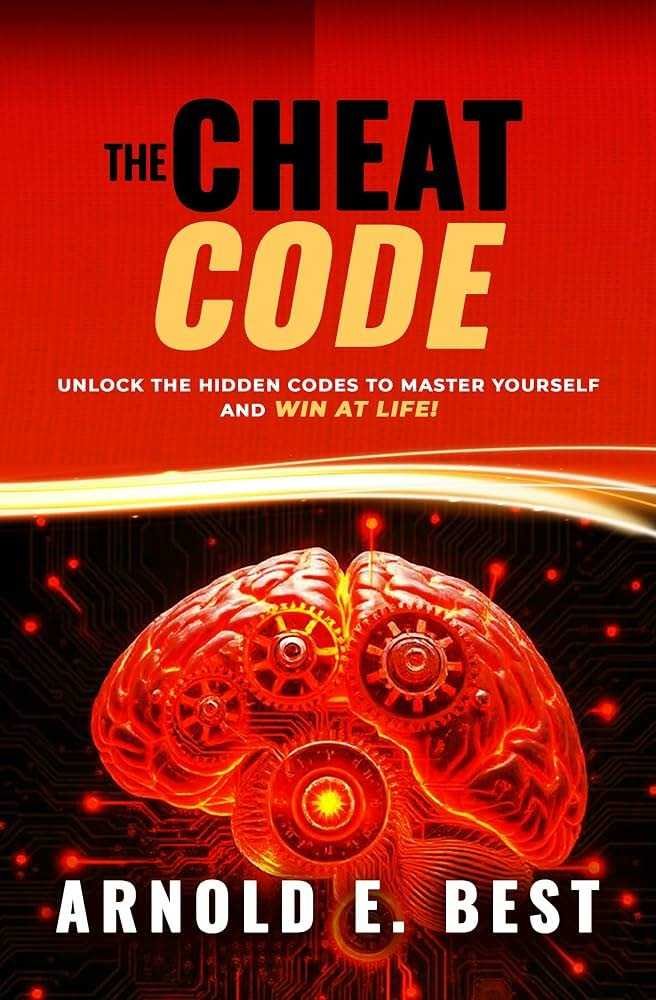
Like his method, Best’s book, The Cheat Code, The Hidden Codes to Master Yourself and Win at Life, published in February, focuses on personal development, recognising life’s patterns, shifting one’s mindset and taking ownership of personal transformation.
“It is not a novel, or just something positive for you to read. It’s homework. You have to actually answer hard questions.”
One aim of the book, he said, is to break the cycle of inferiority that young men, especially those of African descent, are conditioned to feel.
“We were told that other people are better than us; that we are not smart enough. And we as men, men in my age group and even older than me, we sell that to our kids. We prevent them from going further than we did, achieving more than we did.”
Best said his method helps participants move beyond those beliefs and recognise their potential.
“That’s what I do with young men, what I mentor in young men. What I do is tell them the truth.”
When men give themselves opportunities to learn, he explained, they are not simply putting themselves in a position to win or fail; they are creating the possibility of transformation.