ANTALYA – The Disability Climate Caucus (DCC) relaunches the request for formal recognition of people with disabilities in international climate policies, while COP31 is drawing to a close without having yet given adequate space to this topic.
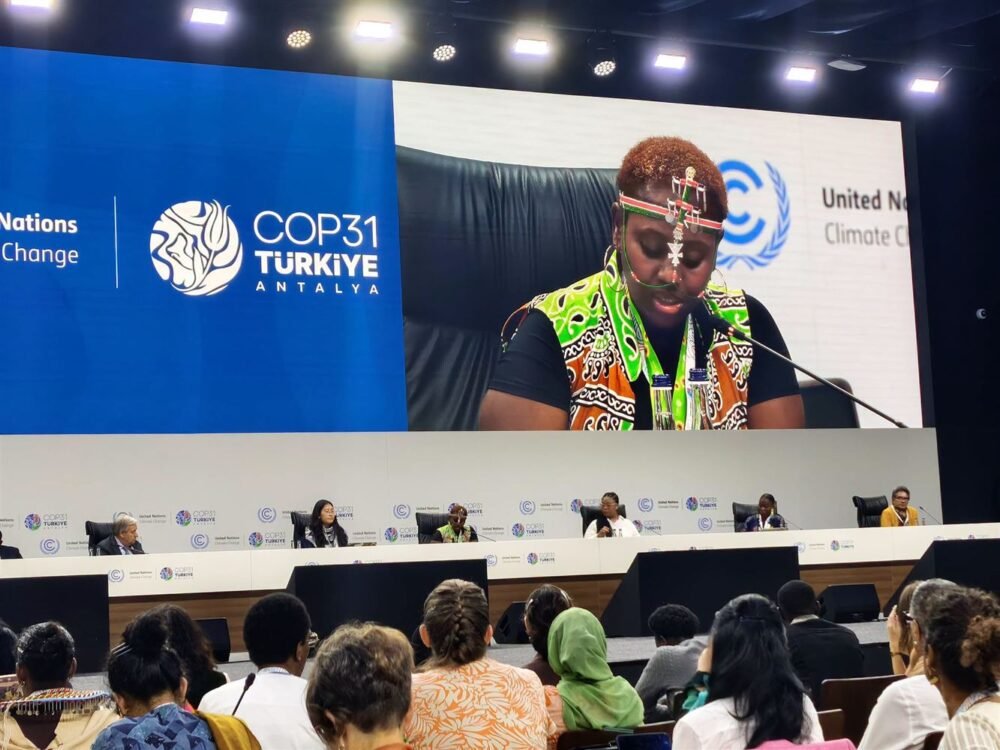
On November 19, the international network organized an official press conference as part of the United Nations Climate Conference, reiterating the need to directly involve people with disabilities in decision-making processes.
Above all, the draft of the final political decision, released in the afternoon of the same day, is causing concern. In the nine pages of the document there is no reference to people with disabilities, not even in the part dedicated to the role of civil society.
An absence that fits into an overall picture characterized by difficulties in negotiations on fossil fuels, uncertainties on climate financing and little progress towards more ambitious agreements. The conclusion of COP31, scheduled for November 20, could also be postponed to allow for further negotiations.
The Disability Climate Caucus’ demands are not limited to formal recognition. Priorities include accessibility of climate adaptation measures, participation of organizations representing people with disabilities, access to financing and inclusion in the ecological transition.
A central objective is to obtain its own Constituency, i.e. a formally recognized representation within the UNFCCC, the United Nations Framework Convention on Climate Change, which constitutes the main reference for international climate negotiations.
The request is gathering the support of several countries and the attention of international organizations and networks committed to the protection of human rights and climate justice. Among the interlocutors who showed attention was also the Republic of San Marino, whose institutional representatives had been informed of the Caucus’ requests, showing availability and openness.
The commitment also involves Attiva-Mente, which joins the international network and supports its claims. The association recalls the principle underlying the UN Convention on the Rights of Persons with Disabilities, adopted twenty years ago: “Nothing about us without us. Not even about climate change!”.