Havana/After 20 years working in the state’s gastronomic sector, Hugo, 57, is at home, without a salary and with little hope of finding another job. He is one of those affected by a layoff process that, according to San Miguel del Padrón workers, is spreading throughout Havana while restaurants, cafes and other establishments pass into the hands of MSMEs.
“They summoned us worker by worker to prevent us from going as a group and protesting as a collective,” he tells 14ymedio. In those meetings, the Commerce and Gastronomy officials announced a radical change: “They told us that gastronomy and commerce through state channels were over.”
The explanation was blunt. “We need to look for another job within three months because we are going to rent the premises to self-employed workers and MSMEs,” Hugo recalls that they were told. The new administrators, he adds, will be able to dispense with previous employees after that period.
“It is clear that they are not going to stay with us because they bring their people and many are teams made up only of family members,” he laments. “I call this a mass layoff and it has already begun.” After reporting it on social media, he claims to have received threats.
Migdalia, 49, worked for at least a decade as an accountant at a state-run cafeteria. He hasn’t been paid for three months
Between the State releasing the management of these businesses and the new managers being able to open their doors, “the three-month period is passing and we have not earned a single peso,” the man laments. “Commerce and Gastronomy does not pay us and neither does the new administrator.”
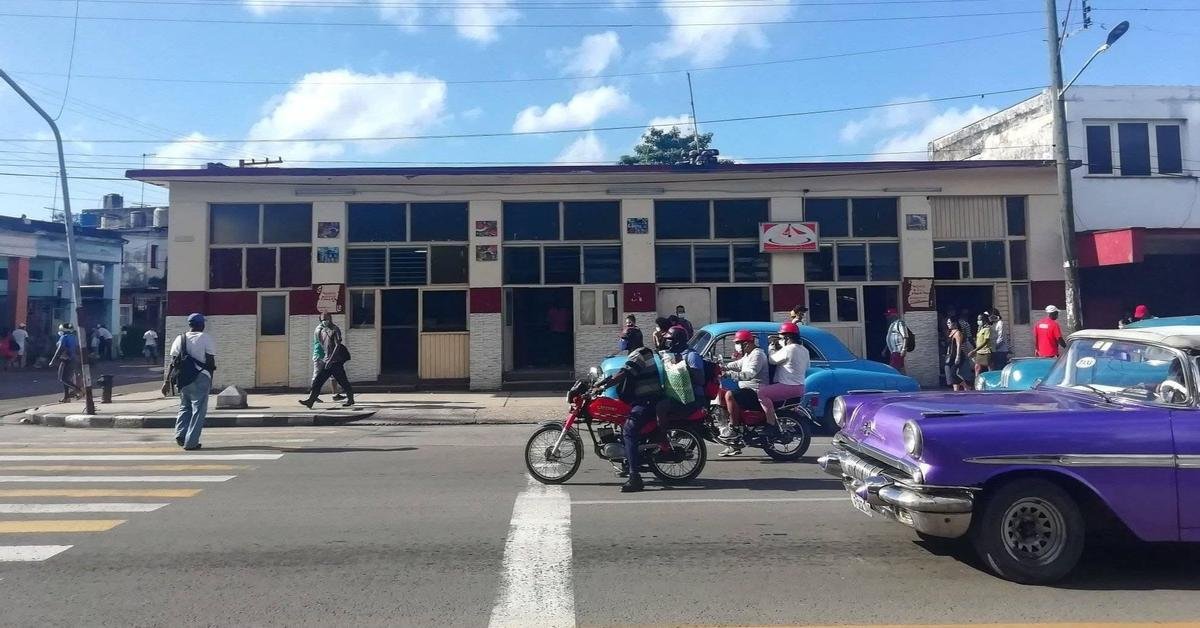
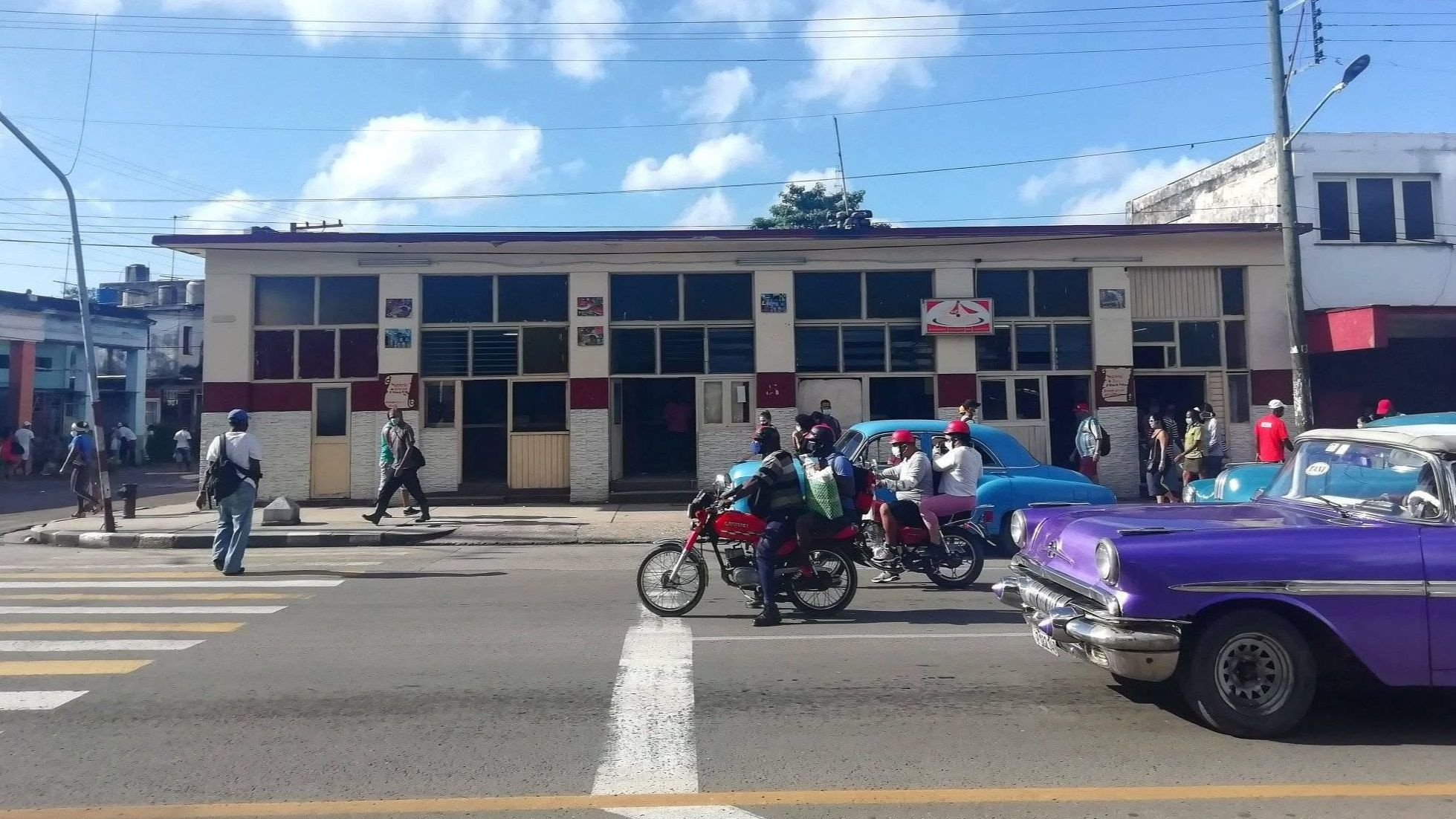
Among the establishments where similar processes are occurring, Hugo mentions El Alcoy, in the Virgen del Camino; El Terry, on Vía Blanca; El Carrusel, also in the Virgen del Camino, and Los Panecitos, in San Francisco de Paula.
The transformation affects units linked to the municipal Commerce and Gastronomy companies, historically responsible for a good part of the state services network. However, neither the official press nor the Cuban Workers’ Central (CTC), the only authorized union in the country, have publicly reported on the extent of these layoffs.
Migdalia, 49, worked for at least a decade as an accountant at a state-run cafeteria. His situation is very distressing because, according to the complaint, he has not been paid for three months.
“They say they have given us options, but “We women were offered to work at the Guanabo bus stop.”he explains. “I live in San Miguel del Padrón, just daily transportation would cost me 2,500 pesos for the round trip.”
“This is happening throughout Havana, it is not just in this municipality,” warns Migdalia
“To make matters worse, for three months they haven’t paid us a cent because they say that Gastronomía doesn’t have funds, so they have sent us out on the streets without compensation or anything else,” he adds.
The new Cuban Labor Code (Law 189 of 2026), in force since September 25, allows labor relations to be terminated for economic, technological and structural reasons, but establishes procedures that administrations must comply with. Its articles 199 to 204 require justifying the reorganization, approving a new staff and analyzing the process with the union organization and in the General Assembly of Members and Workers.
The new legislation contemplates income protection mechanisms in the event of job loss due to causes beyond the control of the worker and recognizes the right to complain about administrative decisions, but the affected workers who gave their testimony to this newspaper They talk about “forces majeure” and “decisions from above” who have managed to skip what was stipulated.
“This is happening throughout Havana, it is not just in this municipality,” warns Migdalia. As they explained to them, the State lacks the resources to repair and supply the facilities. “We are talking about thousands of workers,” he says.
The process also reaches the wineries. In each district of San Miguel del Padrón, only one will remain under state management, destined primarily to distribute the rationed quota of milk for children, while the rest will go to private operators.