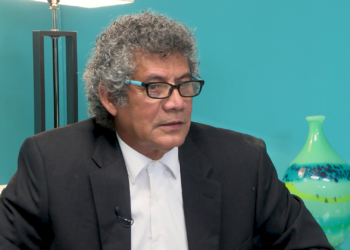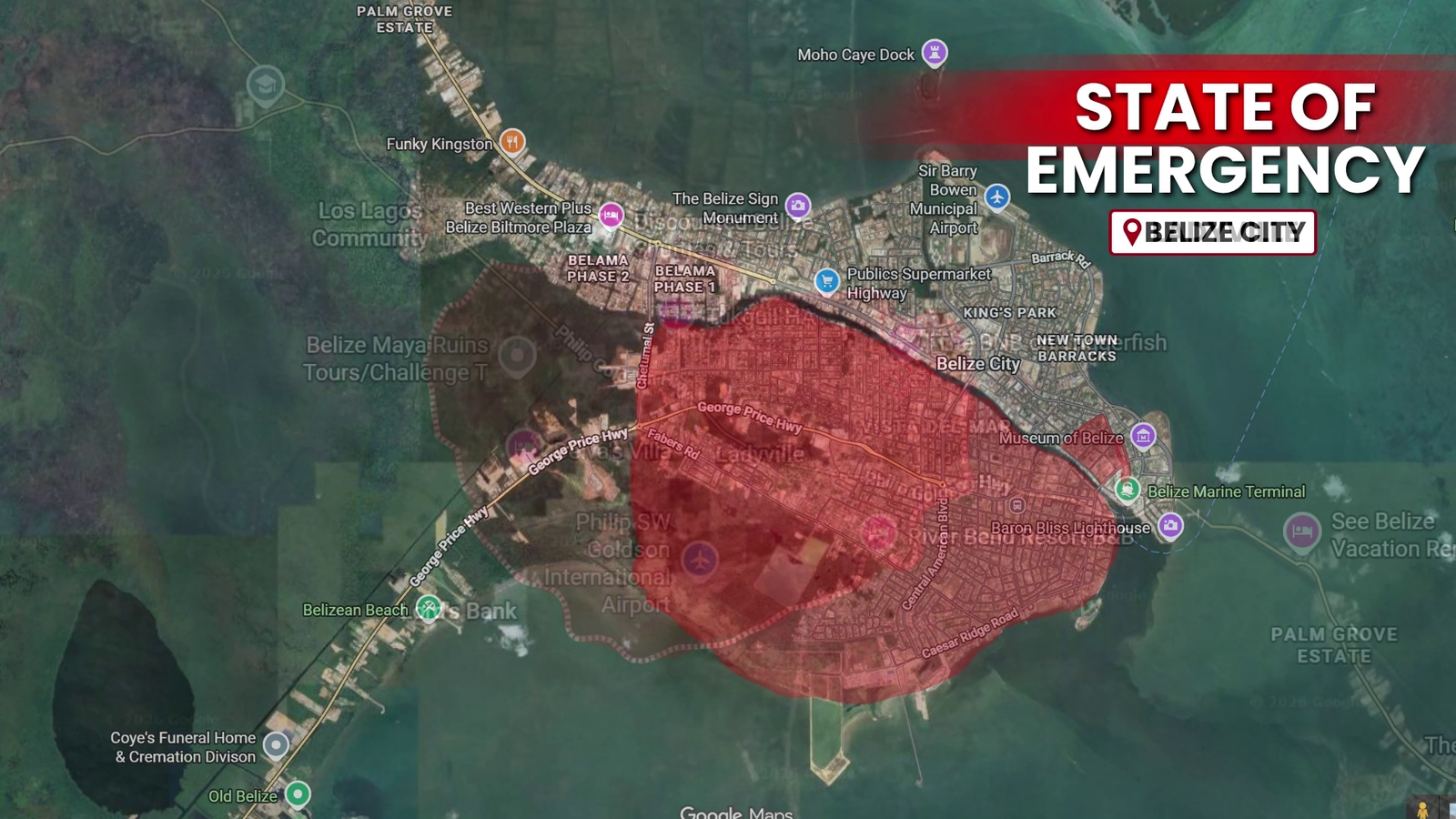
The fight against crime is raising another concern: how far can authorities go without crossing constitutional lines? Attorney Richard “Dickie” Bradley is questioning the powers granted to law enforcement under the recently implemented State of Emergency measures, warning that some could undermine fundamental rights and freedoms. He is particularly concerned about the detention of individuals without formally charging them, which he argues violates the Constitution. Bradley also takes issue with confinement orders that restrict where people can go, describing them as troubling and discriminatory. As the government uses emergency powers to address security concerns, Bradley says protecting public safety should not come at the expense of citizens’ constitutional rights.
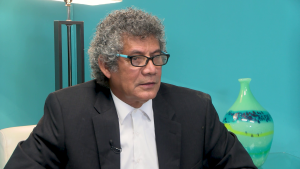
Richard “Dickie” Bradley
Richard “Dickie” Bradley, Attorney-at-Law
“So two things are happening, Shane Williams. One is that a statutory instrument, a law, a lesser law, which just mean the minister sign, doesn’t go to the house, it doesn’t get debated, nobody has to explain anything. A statutory instrument allows the police to serve a notice on a person, anybody. They could not like you, they could want to take your girl, they could do anything. They could give you a notice that, hear what, you have been informed that you are wa dog. You can’t come out of the yard, you can’t come on the street, you only could go buy anything you really need, you could go to hospital, you could go to work, but between this hour and that hour you’re not allowed to go out, and so on and so forth. There are these confinement orders that you are to stay in your yard and stay in your house. And then the much more worrisome one, the one which is one hundred percent illegal, one thousand percent contrary to the Constitution of the country, one thousand percent in violation of your right, to your freedom and your liberty. Then they pick up young boys from all over the place and carry them to different stations. And they’re still stupid, and I’m sorry to sound disrespectful, that they could hold you for forty-eight without any charge, without carrying you to a court. I mean, how much time would OJ, Audrey Matura, Rachel, Arthur Saldivar, all the lawyers keep suing and carry them da court? Because there is no authority to do that to human beings in Belize.”
Bradley also criticizes government’s intent to study El Salvador President Bukele’s approach to arresting crime, calling the measures implemented by Bukele criminal and inhumane. We’ll have more on that conversation in tomorrow’s newscast.
Attention readers: This online newscast is a direct transcript of our evening television broadcast. When speakers use Kriol, we have carefully rendered their words using a standard spelling system.
Watch the full newscast here: