Iran warned the United States that it is not Cuba or Venezuela and that it will not be able to break it through blockades and economic sanctions, and questioned the effectiveness of US pressure against the Islamic Republic, in the midst of the war and the stagnation of negotiations to end the conflict.
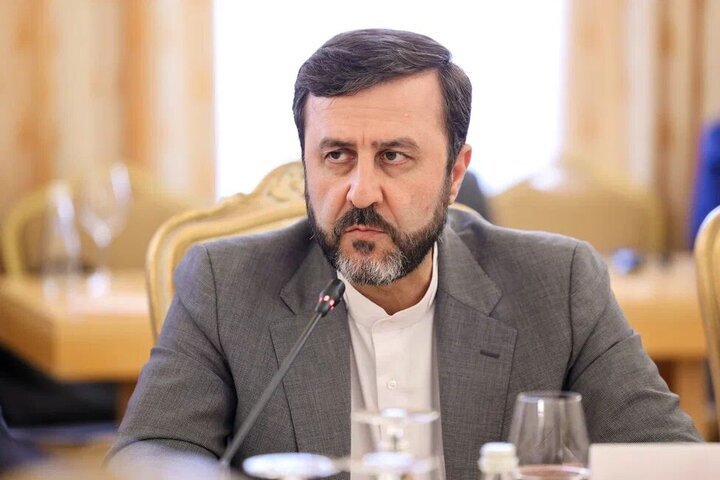
“Iran is not Cuba, which can be subjected to a blockade, nor Venezuela, which can be forced to surrender,” stated the Iranian Deputy Foreign Minister, Kazem Garibabadi, in an interview with state television late on Sunday, in reference to the US operation that culminated in the arrest of former Venezuelan president Nicolás Maduro last January and to Washington’s pressure on Havana.
The diplomat questioned the effectiveness of US economic pressure against his country, subject to a naval siege and an intensification of sanctions, including those imposed on its airlines within the framework of the ‘Economic Pariah’ operation, to which ‘Iron Gate’ was added, aimed at restricting the transport of sanctioned goods by land routes and through the Caspian Sea, with the aim of forcing the surrender of Tehran.
Garibabadi maintained that Washington has not achieved its objectives through these measures, after the US Secretary of State, Marco Rubio, defended these actions last Tuesday by ensuring that the sanctions are having an effect and warning that the Iranians “in the end have to eat.”
Iranian Foreign Ministry spokesman Ismail Bagaei denounced these statements by Rubio as an “open and brazen threat to starve Iranians.”
In October, Iranian President Masud Pezeshkian had acknowledged that many Iranians have difficulty even getting their “daily bread” due to the war and uncertainty the country is going through.
The battered Iranian economy has deteriorated after almost nine months of war and the intensification of sanctions against it and registers a year-on-year inflation of 89%, while its gross domestic product (GDP) contracted 10.1% year-on-year between March 21 and June 20 and its national currency has lost 66% of its value against the dollar since the outbreak of the conflict on February 28.