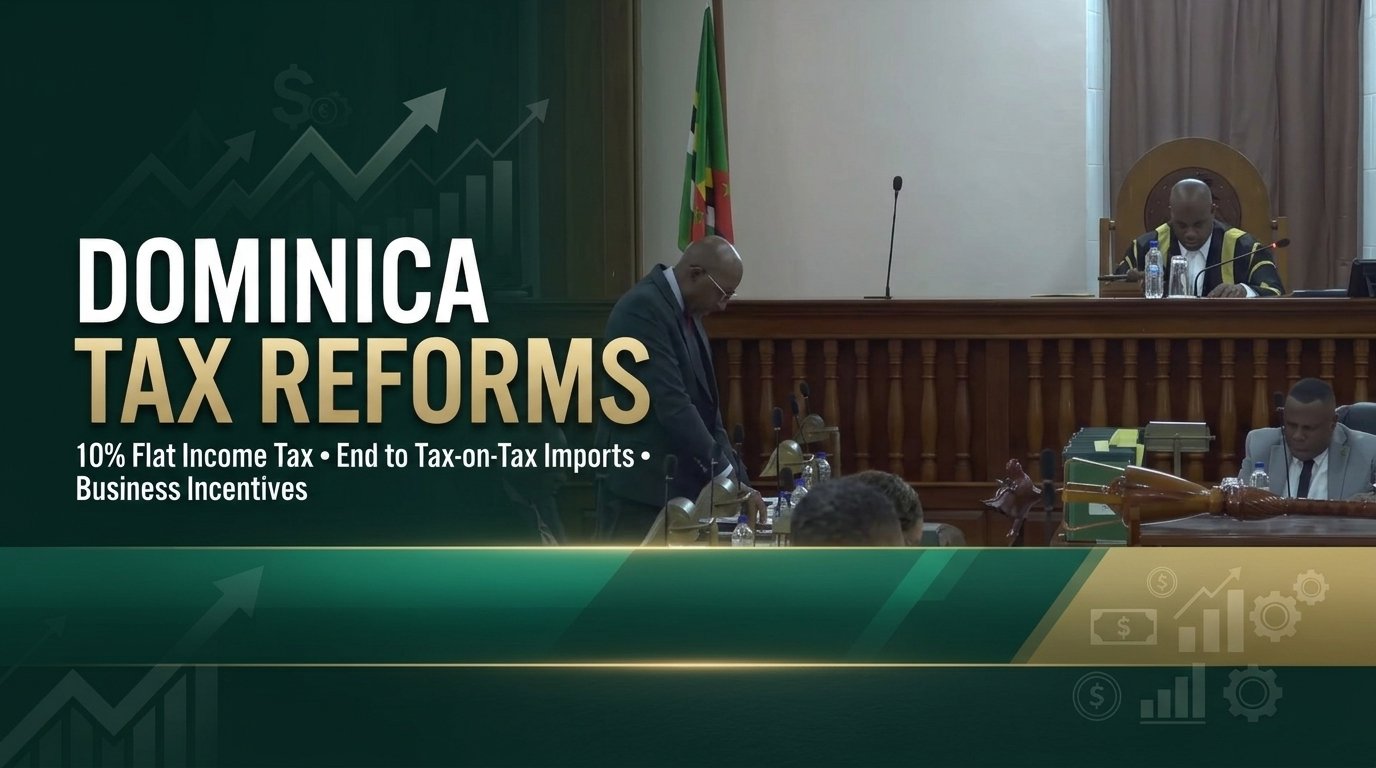

Individuals, consumers, and businesses in Dominica are set to benefit from a series of tax policy changes following Parliament’s approval of amendments to the Income Tax, Value Added Tax (VAT), and Excise Tax Acts. Announced as part of the 2026/2027 National Budget, the reforms aim to increase personal disposable income, simplify import taxation, stimulate job creation, and attract private investment.
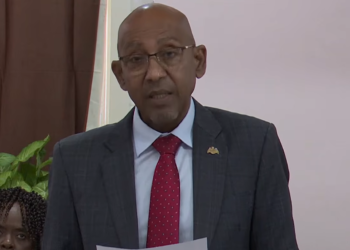
A major feature of the Income Tax Act amendments is the introduction of a uniform personal income tax rate of 10 per cent, effective January 2027. Finance Minister Dr. Irving McIntyre said the adjustment is expected to increase the disposable income of employed taxpayers, providing households with additional financial resources while encouraging greater economic activity.
Meanwhile, revisions to the Value Added Tax and Excise Tax Acts—effective October 1, 2026—eliminate the practice of charging tax on previously applied taxes on imported goods. Dr. McIntyre explained that the revised system will calculate VAT and Excise Tax using the cost, insurance, and freight (CIF) value of imported products. He noted that the change will simplify the import taxation process, ease financial pressures on businesses, and improve cash flow, particularly for companies and individuals importing expensive items such as motor vehicles.
The revised legislation also establishes a tax incentive to help businesses prepare for natural disasters and emergencies. Approved companies may contribute up to 0.5 per cent of their annual gross sales to designated Business Vulnerability Funds and deduct those contributions from their taxable income. These reserves can accumulate up to the net book value of a company’s insurable assets, though withdrawals require authorization from the Comptroller of Inland Revenue or will otherwise be treated as taxable income.
To encourage private sector hiring and investment, the amendments restore a two-year employment tax rebate effective October 1, 2026. Qualifying employers are entitled to a direct tax rebate of two per cent of salaries paid for each additional position created and occupied, up to EC$600 per job and capped at EC$10,000 annually per employer. Beginning with the 2027 income year, investors constructing or substantially reconstructing commercial rental buildings can also claim an annual deduction of three per cent of qualifying expenditure, up to EC$30,000, within a ten-year period after the building is made available for rental.
Finally, imported garbage trucks are now exempt from Excise Tax to lower financial barriers for private operators interested in supporting the Dominica Solid Waste Corporation. Prospective service providers are being invited to submit proposals in the coming months alongside ongoing state vehicle acquisitions. Collectively, the measures form part of the Government’s broader efforts to reduce business costs, improve public services, and strengthen Dominica’s economic resilience.