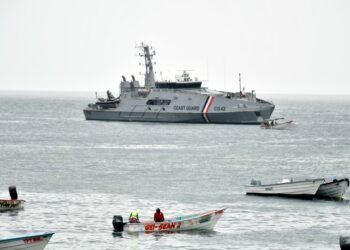
A former Office of Disaster Preparedness Management (ODPM) head has called for tougher boating regulations and improved national emergency response following Sunday’s collision between two vessels off Trinidad’s north-western peninsula, which left several people missing and others injured.
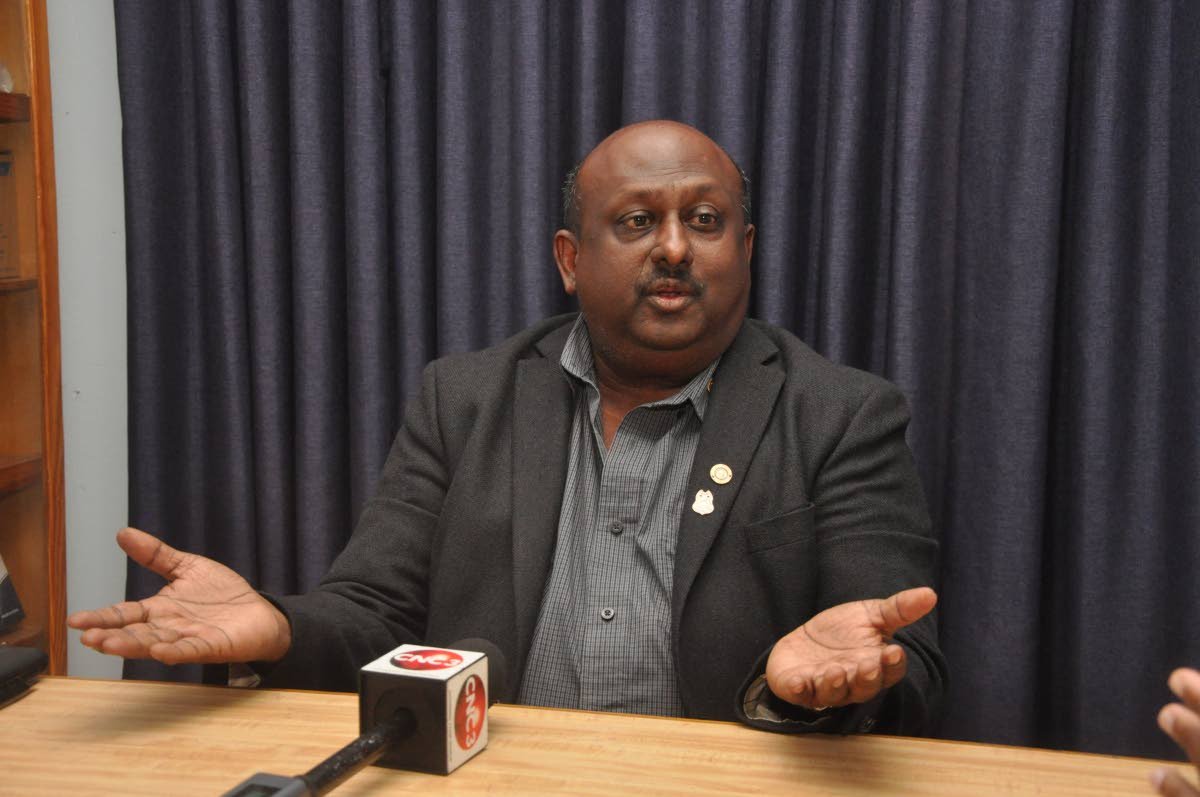
In a statement yesterday, former ODPM CEO Dr Stephen Ramroop said the incident highlighted the urgent need for stronger maritime safety regulations, improved enforcement and better coordination among emergency response agencies.
He expressed sympathy to the families of those missing and commended the T&T Coast Guard (TTCG) and other emergency personnel involved in the ongoing search-and-rescue operation for several people who remain unaccounted for.
“How many more accidents, injuries and deaths must occur before Trinidad and Tobago adopts a properly coordinated, risk-based approach to protecting lives?” Ramroop asked.
He said during his tenure, he had repeatedly raised concerns about recreational boating and maritime transportation, particularly around Chaguaramas, the north-western peninsula and Down the Islands (DDI), where maritime traffic increases during weekends, public holidays and major recreational events.
He identified congestion, excessive speeds, poor visibility, inexperienced operators and alcohol consumption as foreseeable risks requiring stronger management.
Ramroop also referred to the death of seven-year-old Angelica Jogie following a jet-ski incident in Tobago earlier this year, as well as subsequent boating collisions, saying these incidents should prompt a review of the country’s maritime safety systems.
Among his recommendations are mandatory competency and certification requirements for vessel operators, stricter enforcement of navigation rules, designated speed-restricted and no-wake zones, and mandatory life jackets, particularly for children.
He also wants tighter regulation of jet skis and other personal watercraft, increased maritime patrols during periods of heavy recreational activity, improved vessel identification and passenger accountability, and more effective emergency communication systems.
Ramroop said the country also needed a coordinated maritime search-and-rescue system with clearly defined responsibilities, trained personnel and appropriate equipment.
“Legislation alone does not save lives. Implementation, enforcement, preparedness and accountability save lives,” he said.
Ramroop said improving maritime safety must go hand in hand with strengthening emergency medical services.
He called for trained first responders, appropriate medical evacuation arrangements, strategically positioned Advanced Life Support (ALS) ambulances and better communication between the Coast Guard, ambulance dispatch, emergency departments and trauma services.
He said patients must receive timely triage, stabilisation and transfer to hospitals equipped to provide definitive trauma care.
“Time is critical in major trauma, drowning and other maritime emergencies,” he said.
Ramroop said similar weaknesses in coordination could affect public safety at major events, roads, beaches and entertainment venues.
Ramroop is urging the Government to establish a national public safety and emergency risk Management strategy involving the ODPM, Coast Guard, Maritime Services Division, Police Service, Fire Service, ambulance services, regional corporations and the Tobago House of Assembly.
He said the proposed framework should include national risk assessments, prevention programmes, minimum safety standards and coordinated emergency command arrangements.
He also called for public education and independent reviews of serious incidents to identify contributing factors and ensure recommendations are implemented.