Buenos Aires/Pope Lion
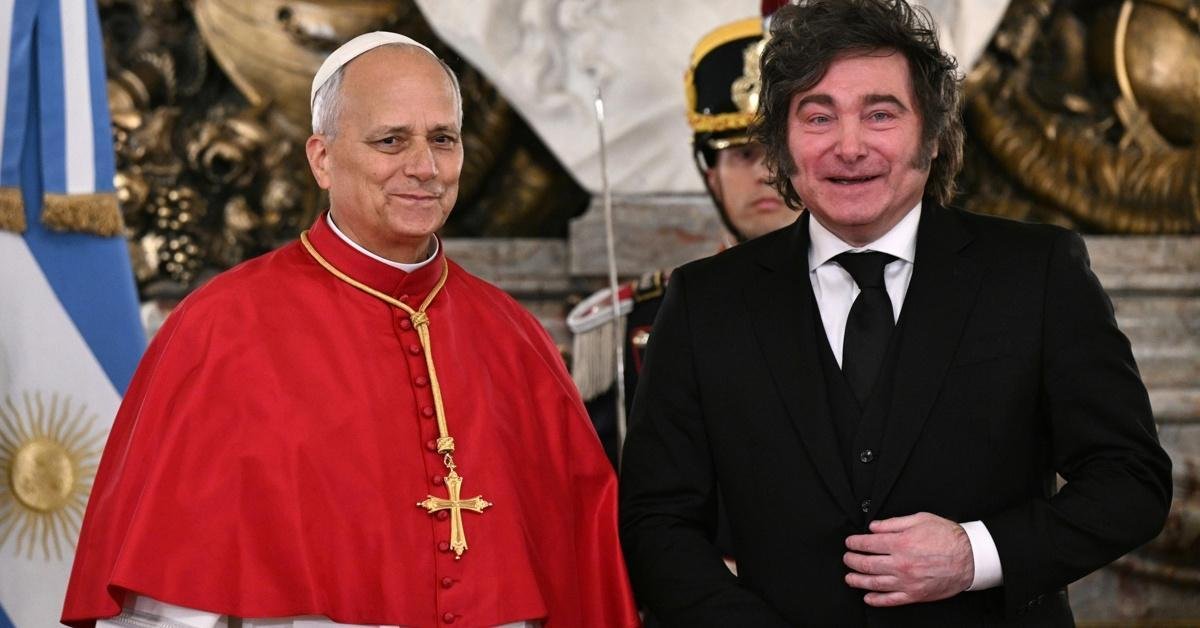
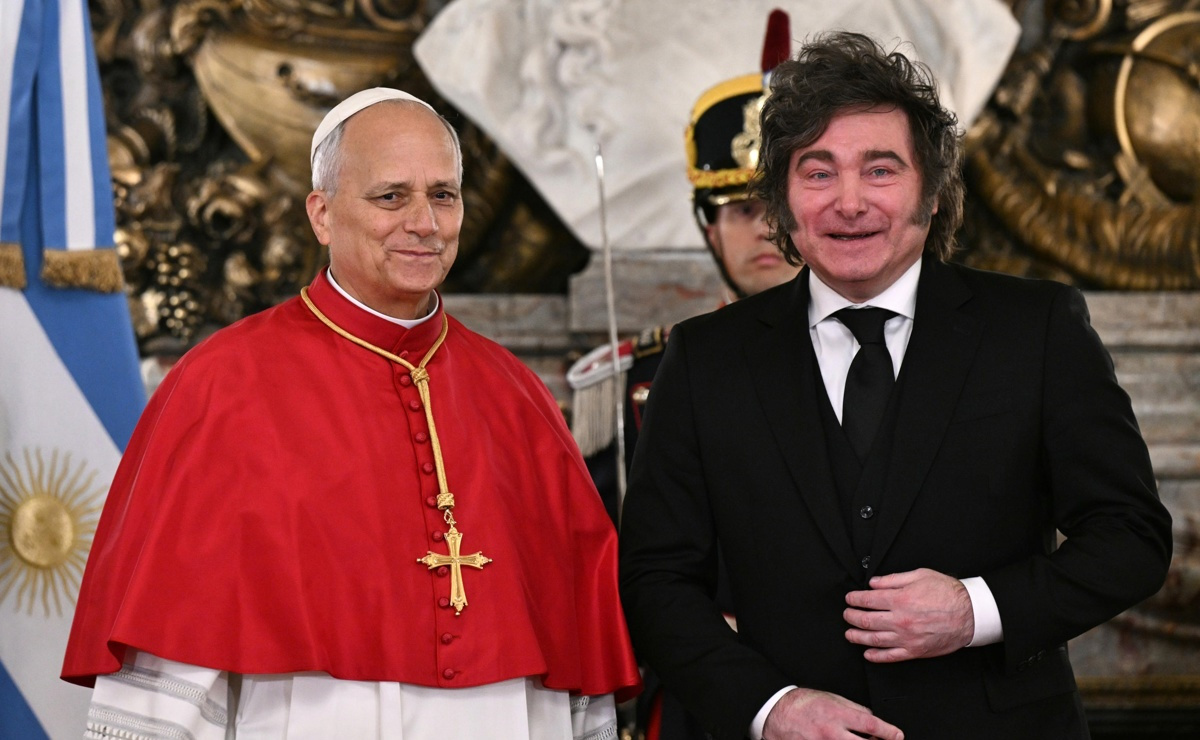
In his first act upon his arrival in Buenos Aires from Montevideo, the Pope met with Milei at the Casa Rosada and later, during the meeting with the authorities, civil society and the diplomatic corps at the Palacio Libertad, he took the floor to deliver a speech of a markedly political nature.
“I think in a particular way of families who carry the weight of uncertainty, of those looking for work, of the elderly who have contributed for years to building society and of those who, even working, have difficulties meeting the needs of their home,” the pope said.
The pope also stressed that we must recognize the dignity of those who have not yet been born and protect life “from its first moments to its natural end.”
And he added: “The economy must be at the service of the person, and not the person at the service of the economy”, before a Milei, who since coming to power has launched an ultra-liberal program with cuts in public spending that has especially affected public workers with tens of thousands of layoffs and reductions in pensions and subsidies.
The pope also stressed that we must recognize the dignity of those who have not yet been born and protect life “from its first moments to its natural end”, coinciding with the rejection of abortion that Milei also defends. However, he added that “the same dignity demands special attention in illness, dependency and disability.”
The Argentine Church had asked the Milei Government to face the problems faced by the disability sector, which has suffered the severe fiscal adjustment.
In his speech he also called for responsibility in caring for the earth and highlighted that “Argentina has been blessed by God with extraordinary natural wealth. Its fields, its water reserves, its energy sources, its minerals and the diversity of its ecosystems offer broad possibilities for development.”
“An authentically human ecology knows how to unite the care of creation with that of people, ensuring that the use of these resources contributes to the well-being of communities and preserves the conditions that make life and work possible in their territories,” he stated, in a reference to the encyclical Caritas in veritate, by Benedict XVI.
The pontiff also addressed the questions raised by rapid technological advances, especially in relation to artificial intelligence.
The pontiff also addressed the questions raised by rapid technological advances, especially in relation to artificial intelligence.
“Medicine, education, production and research today have instruments capable of profoundly transforming human life. These advances require considering the consequences of their application and the responsibilities of those who decide how to use them. Technological development needs an ethical conscience at its height,” he stated, quoting at this point the apostolic exhortation Laudate Deum, by Francis.
Milei has publicly defended that there should be no preventive regulation of this technology.
The pope also called for strengthening cooperation between countries and noted that “strengthening spaces for meeting and collaboration is a way of assuming together the responsibilities that no country can face separately.”
This cooperation is equally necessary in the face of “serious threats” such as “organized crime, human trafficking networks, arms and drug trafficking, as well as corruption,” which “damage coexistence, fuel violence and divert resources necessary for the common good.”
The pontiff also considered that “a nation must seriously ask itself where it has gone wrong when its young people must leave their land to realize their dreams” and called for strengthening education, vocational training, universities and research.
He also urged us to trust the new generations, recognize their capacity for initiative and open spaces for them to contribute their ideas and assume responsibilities, because “the nation needs to count on their intelligence, their creativity and their participation from now on.”