Saturday, 25 April 2026, 06:57
Last update: about 18 hours ago
With Malta’s dependency on imported fertilisers and fertiliser prices spiking since the beginning of the ongoing Iran war, the Maltese Government is currently involved in EU-level discussions concerning how to address this issue.
The war that has erupted in Iran in recent weeks has led to several fallouts. From crude oil shooting up in price by around 50% to Iran’s national football team stating that it will not travel to North America to play in the FIFA World Cup this summer, one significant ramification that has emerged from this ordeal is the spike in fertiliser prices.
Spokespersons from the Ministry for Agriculture told this newsroom that “the Government is following closely the impact this is having on our local agricultural sector.” These discussions are ongoing. The European Commission will be presenting a fertiliser action plan on 19 May to address affordability issues that are impacting what was already a market featuring global shortages of sorts.
The Agriculture Ministry said that fertiliser costs are currently being particularly affected by the Middle East conflict “because a significant share of global fertiliser production and exports, in particular, nitrogen based fertilisers and their key inputs, originates from, or transits through, the Middle East.”
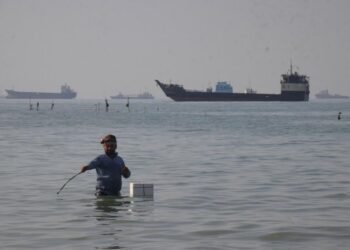
The sudden increase in fertiliser costs has mainly been driven by the repeated shipping disruptions through the Strait of Hormuz. This sea channel typically sees around one third of global fertilisers pass through for commercial distribution.
“The conflict has disrupted shipping routes, increased insurance and freight costs, and fuelled market uncertainty and speculation,” Ministry spokespersons said, “At the same time, fertiliser production is highly energy intensive, relying heavily on natural gas; rising fuel and energy costs linked to regional instability have therefore had a direct and immediate impact on production costs.”
Energy prices have also been significantly affected worldwide due to this conflict. For instance, less than a month after the initial bombings of this war were fired, the Philippines declared a national energy emergency.
On this issue, Al Jazeera had previously reported that analysts are in broad agreement that “the true impact of the conflict has yet to be felt, due to the lag between rising agricultural input costs and higher prices on shelves.” This depends on if supply disruptions continue. If they persist, then questions on global food security may begin being posed.