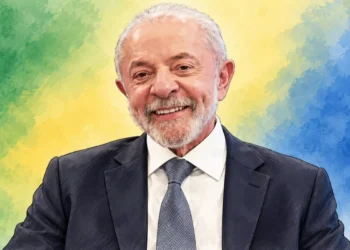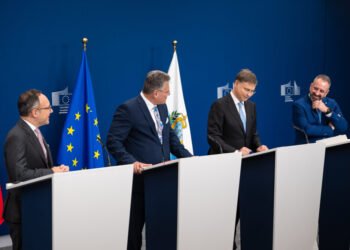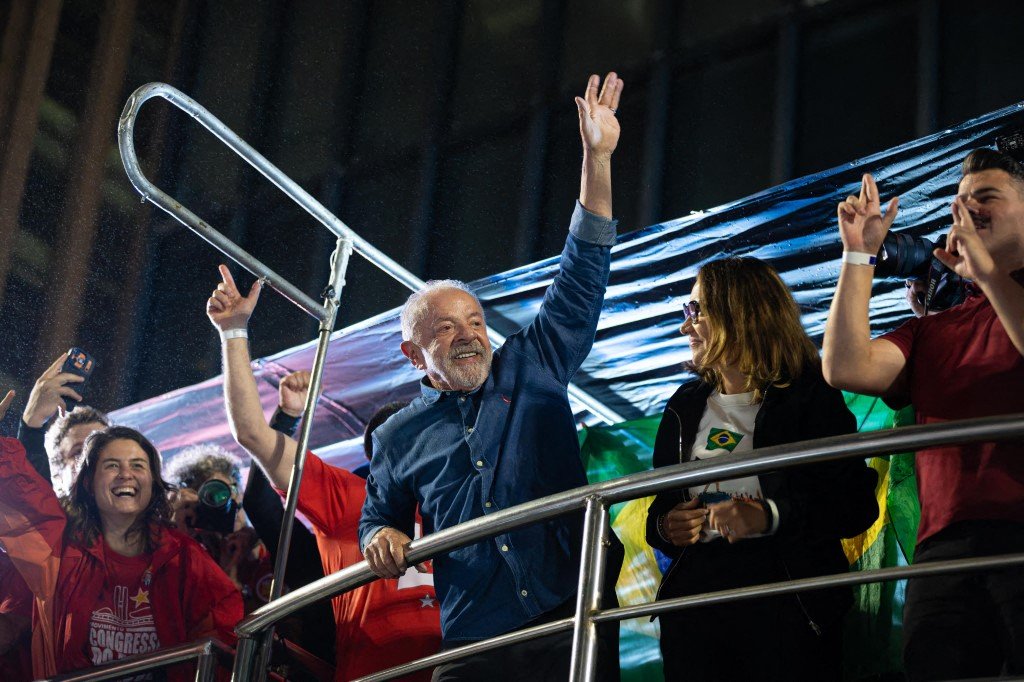
Against all odds, Luiz Inácio Lula da Silva won the runoff in Brazil this October 25 and secured, at 80 years of age, his fourth presidential term. This victory marked an unprecedented milestone: for the first time in the democratic history of the South American giant, the candidate who finished second in the first round (45.16% compared to 47% for Flávio Bolsonaro) came back and won with a decisive difference of 4 million votes. In this way, Brazil resists the right turn in Latin America and opens a chapter in the country’s recent politics.
The contest was marked by intense polarization, a campaign with enormous reach on social networks and a struggle to define the economic and social course of the nation for the coming years. After weeks of tension and expectations about the mobilization capacity of each side, the electoral process revealed a complex x-ray of the Brazilian electorate, where the urban vote of the southeast and the political tradition of the northeast played a key role in defining the results.
¿How did you achieve the comeback?
He political scientist and university professor Jesús Mazzei He assures that the determining difference was in the mobilization capacity and the tactical work deployed by Lula’s machinery, the Workers’ Party (PT).
Mazzei highlights that the campaign team managed to penetrate with force into the south and southeast of the countrysnatching away from Bolsonarism a key bastion such as the state of Minas Geraiswhose historical hegemony usually dictates the pulse of the Brazilian presidential elections since the era of Fernando Collor de Mello.
“Lula and the political machinery of the PT They worked very well on mobilization at the level of digital format and at the level of political activism. Above all, he focused on the south and southeast: he won an important bastion that Bolsonaro’s option had won in the first round, such as the state of Minas Gerais. Voting decreased in states such as São Paulo and Rio. That is what gives it the decisive difference, of course winning the traditional strongholds of the PT such as the northeast,” says the former Venezuelan diplomat in Brazil. He affirms that Bolsonaro’s team “politically underestimated a political fox like Lula.”
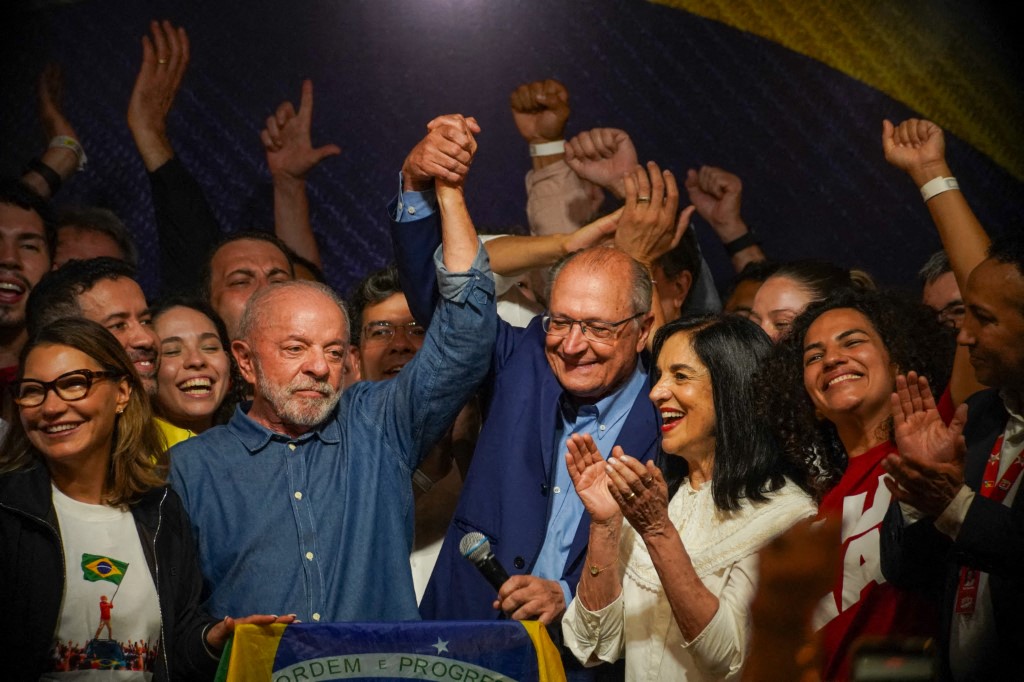
Lula da Silva’s strategy
Venezuelan political analyst Roderick Navarro, residing in Brazil, points out that in the first round, Lulism dragged the erosion of institutional scandals linked to the Supreme Federal Court (STF), which prevented effective control of public opinion and led to a solid cultural victory for the opposition in Congress. However, for the runoff, under the direction of its marketing strategists, Lula’s campaign implemented a radical turn focused on the deconstruction of his rival’s image. This strategy opted for the exploitation of anthropological and social fears, recalling Jair Bolsonaro’s management during the pandemic and warning of drastic cuts in public policies.
Navarro points out that, for his part, Flávio Bolsonaro maintained a moderate and purposeful stance similar to that of the first roundwithout reacting with the same forcefulness to his opponent’s attack pattern.
The analyst says that the television debates also played a crucial role: while the first meeting doubled the number of undecided people and exposed Lula’s hesitant reaction, the subsequent spaces reconfigured the staging to balance the balance. However, beyond the digital and media battle, Lula’s victory was based on grassroots territorial work. Despite the fact that the opposition had a wide network of mayors and highly voted deputies, the militant activism of the PT in the streets and the focused mobilization of the electorate towards the voting centers, he assures, They made the difference against a right that relied excessively on its roots in social networks.
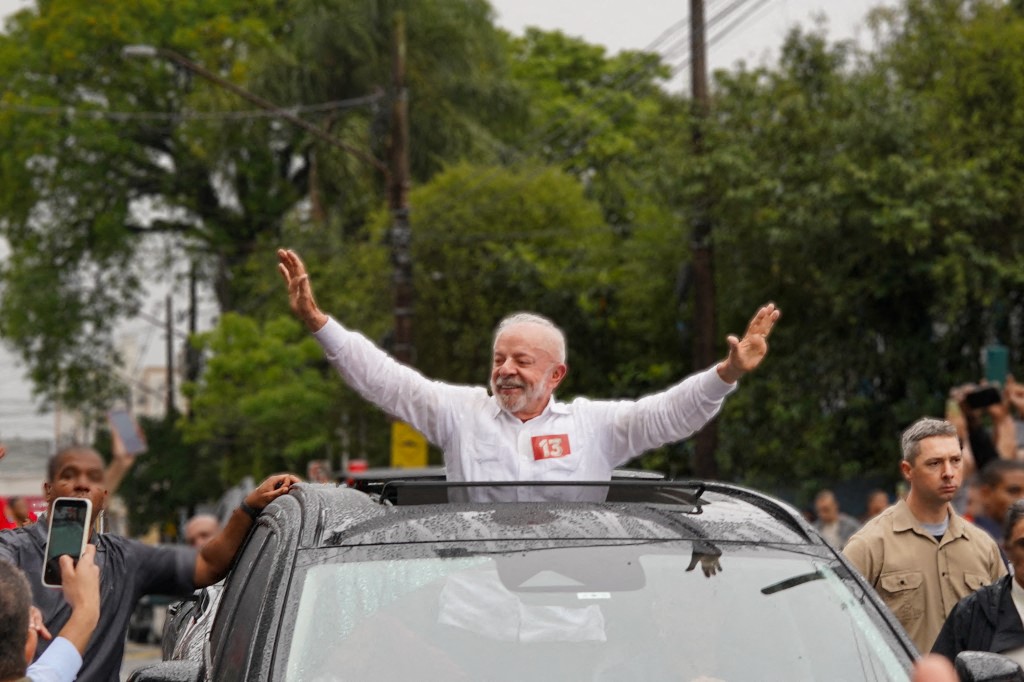
The place of Bolsonarism after the defeat
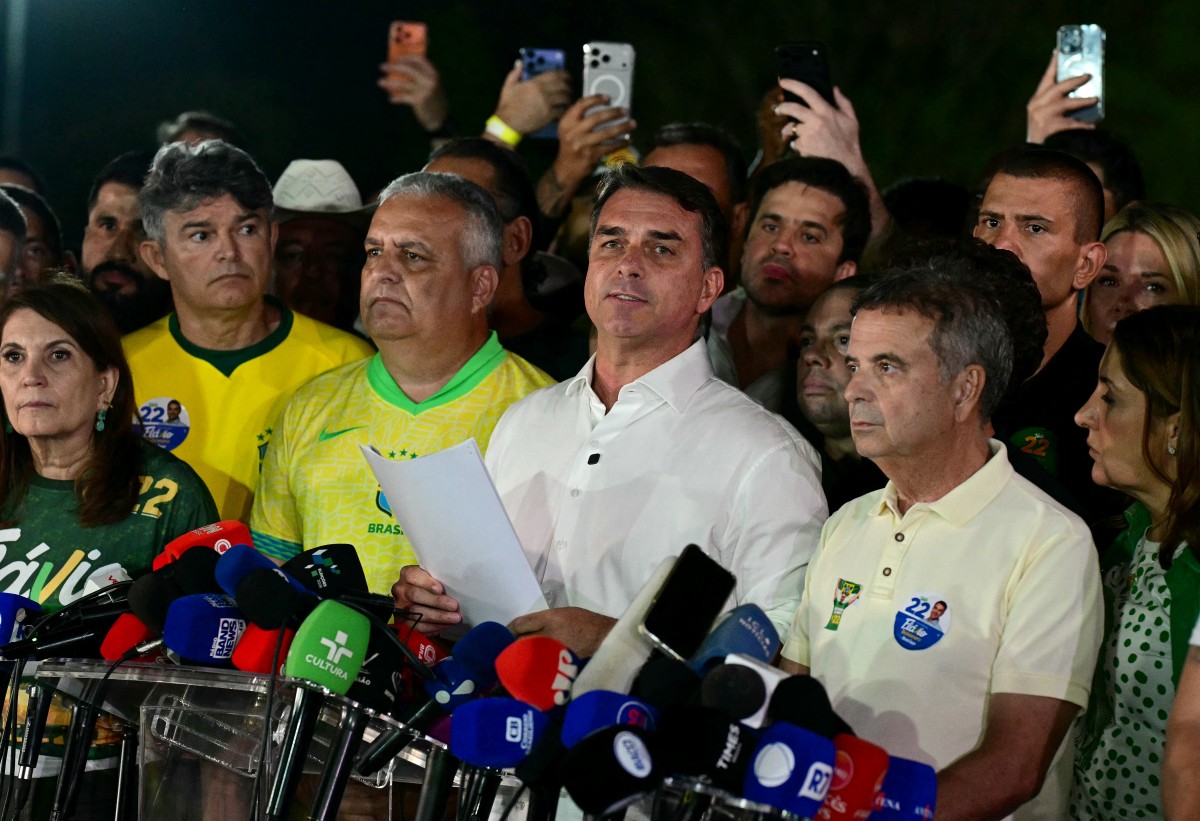
After the final scrutiny, Flávio Bolsonaro offered a speech where openly ignored the results and announced that he will go to the corresponding bodies to request the annulment of the election, questioning measures of the day such as the extension of voting hours.
Despite the defeat in the race for the presidency, Bolsonarism is consolidated as an opposition force with enormous real weight in the country’s politics. Analysts agree that, although there are complaints about the process, the representativeness of the right in Congress and the governorships will strongly condition the new government.
Jesús Mazzei highlights the structural presence of the conservative current and the unviability of attempts to challenge the results. “I don’t see the viability of an annulment. Annulling an election is a major legal and political decision that will not be viable because most countries in the world have already recognized Lula’s electoral victory. Bolsonarism is not only a political idea; It has a real political and electoral presence in Brazil. Other brothers of Flávio Bolsonaro were elected as senators and deputies, and Jair Bolsonaro’s wife in Brasilia, where they won the street governorship,” he says.
The social climate after the runoff
Roderick Navarro details the social climate after the runoff and the dilemma in which the opposition between judicial confrontation and legislative pragmatism remains.
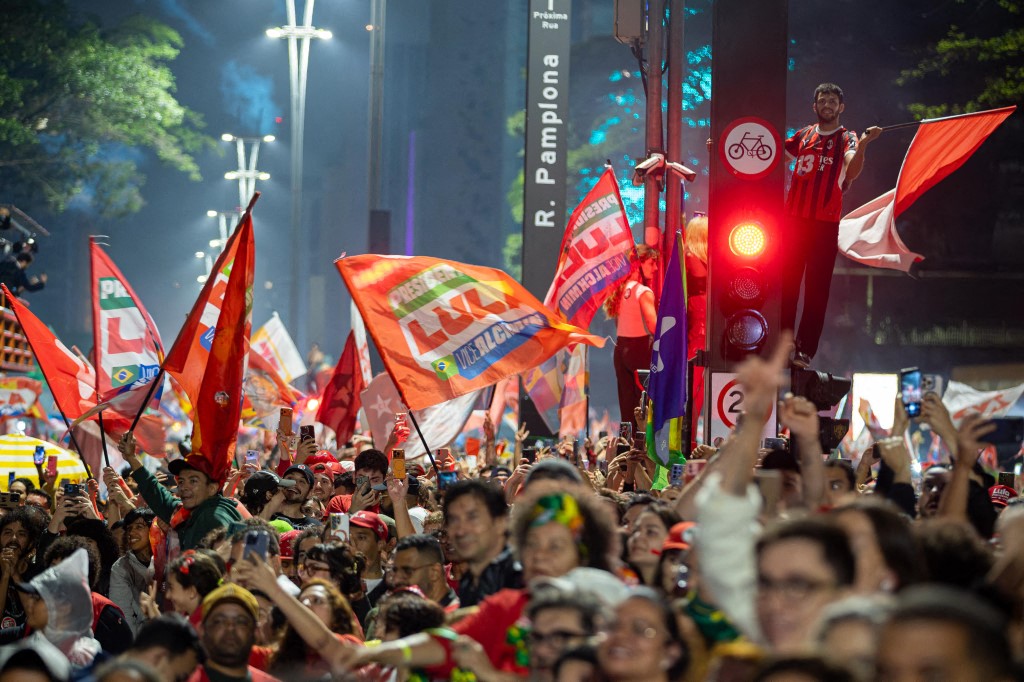
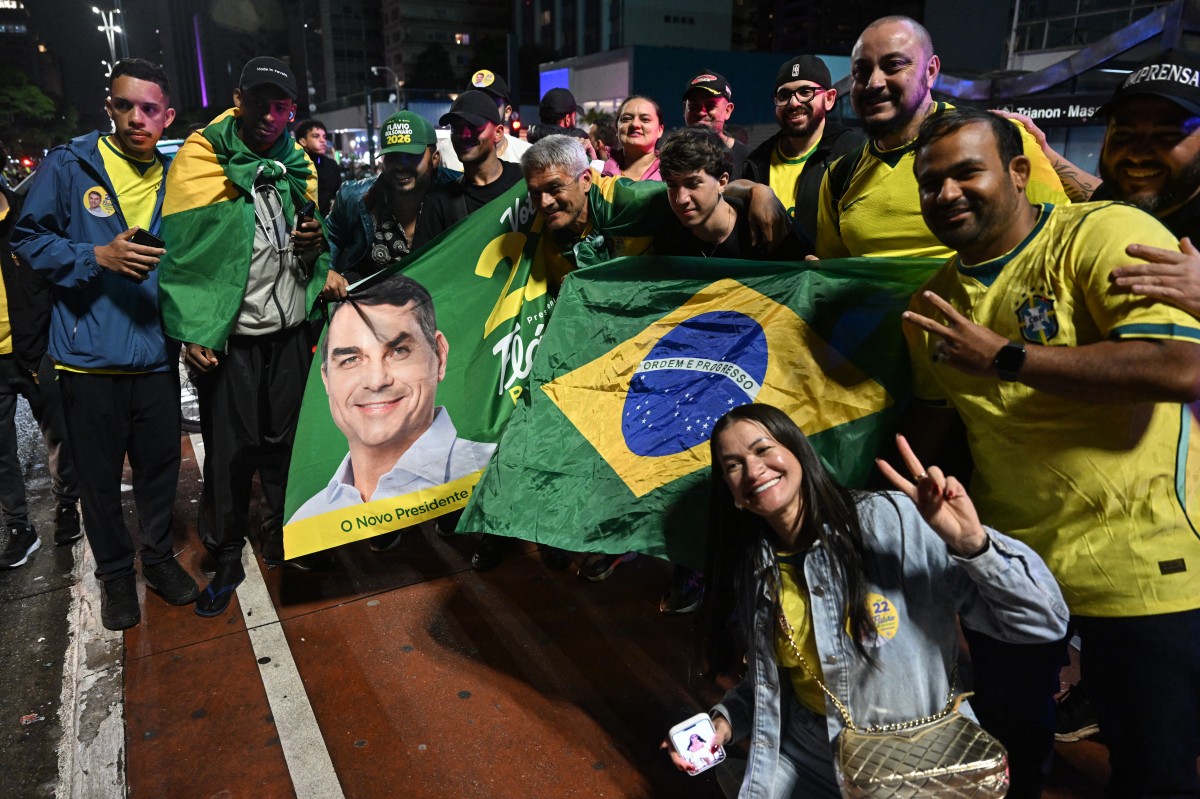
“The country is super divided, the result was practically 50-50. There is a group that takes to the streets to celebrate and another group that is obviously feeling frustrated. We saw a candidate in a speech that did not last more than seven minutes in which he said that he basically does not recognize the result and is going to call for the annulment of the elections. However, the one who first requests the annulment is the deputy Kim Kataguiri, from the Mission party, based on a legal issue of the operating system of the counting of votes. This is different from the 2022 fraud call; they are saying ‘I don’t recognize why the rules were broken,’ says the political analyst.
However, Navarro raises the strategic dilemma that the opposition movement faces in order not to be isolated in the public scene. “To what extent are they going to go with the annulment? I don’t see the governor of São Paulo or Minas Gerais in that photograph saying that they do not recognize the elections after the results they had in the first round, nor all the opposition that remained in Congress. If this issue of annulling the elections does not unite the entire opposition group, some will be left negotiating with the government and the opposition led by Flávio will be isolatedremembering that Flávio now becomes a moral reference within that opposition group,” he says.
Governance dilemmas facing an opposition Congress
The triumph of the left in Brazil does not mean automatic stability. Mazzei warns that the main challenge for the new government will be construction of a solid presidential coalition that guarantees governability. With a Parliament largely dominated by the opposition and a strong presence of Bolsonarism, the analyst assures, Lula will be forced to deploy his best political negotiation skills to approve budgets, laws and constitutional amendments.
“The PT has great challenges: the challenge of generational change and the challenge of narrative, discourse and ideology towards the third decade of the 21st century. Lula is going to have a very big challenge because he is going to have to negotiate with a Congress that is not favorable to him. He will have to put together what Brazilian political scientists call a presidential coalition that will allow him to govern and allow him to approve the different legal projects at the Parliament level., the constitutional amendment proposals and the budget. Lula is going to have to play this game with all the weapons of a political negotiator,” says the former diplomat.
Along the same lines, Navarro explains that in Brazilian political practice a semi-parliamentary scheme operates, where the Executive inevitably depends on the Legislature. The opposition’s immediate dilemma lies in defining its route of action after the elections.
“The large chunk of the budget depends on Congress, and the president has to negotiate with the members of Congress to be able to govern. If the opposition does not manage to maintain its monolithic body against the government, I believe that on Lula’s part there is every capacity to break that monolithic body and begin to negotiate in a divided manner with the others,” explains Navarro.
The role of the United States and the regional panorama
On an international scale, Lula’s return to Planalto is interpreted as a significant counterweight to the liberal-conservative wave that has gained ground in Latin America in recent years. Mazzei describes this milestone as a stop this ideological expansionremembering that the Brazilian leader has unquestionable democratic legitimacy at the polls that differentiates him from autocratic regimes in the region. This will force us to rethink bilateral relations with the United States from a strictly institutional and commercial perspective, transcending the tariff debate.
“There has to be an institutional relationship between Brazil and the United States; I think it is a relationship that must be recomposed and that is not based solely on the issue of tariffs. Lula is a democratic politician, he is not Daniel Ortega and it is not Díaz-Canel’s Cuba, they are not autocratic regimes. Lula has an origin that was electorally legitimized by the polls. Politics is the art of the possible and the science of the relative,” says Professor Mazzei.
Regarding Washington’s position, Navarro provides a particular reading by pointing out the absence of explicit support from Donald Trump towards Bolsonarism in the final stretch of the campaign, an evident contrast compared to previous electoral processes in the region. Under the principles of Realpolitikthe Latin American foreign ministries have chosen to quickly recognize Lula’s victory, prioritizing pragmatic dialogue over the ideological differences that could arise between the leaders and despite the fact that Flávio Bolsonaro claimed not to recognize the electoral results.

Relations between Venezuela and Brazil
Regarding Venezuela, Roderick Navarro rules out drastic changes in Brazil’s immigration policy, highlighting that humanitarian programs such as Operation Welcome and flexibility in citizen integration will continue to operate normally due to the solid openness of Brazilian society.
“On the immigration issue, I do not believe that this government is going to affect the immigration status and situation of Venezuelans here in Brazil. Operation Welcome at the border receives about 500 Venezuelans per day and Brazilian society is open arms to the immigrant. Lula’s official position will continue to be to ask for freedom to elect rulers. But outside the government, there are private sectors and chambers of commerce,” explains the Venezuelan residing in Brazil.
Faced with the new political chapter that begins in Brazil, political scientist Jesús Mazzei reflects on the greatest lesson of the race. “You should not underestimate anyone politically. In politics you must have two qualities: resistance and perseverance”he concludes.