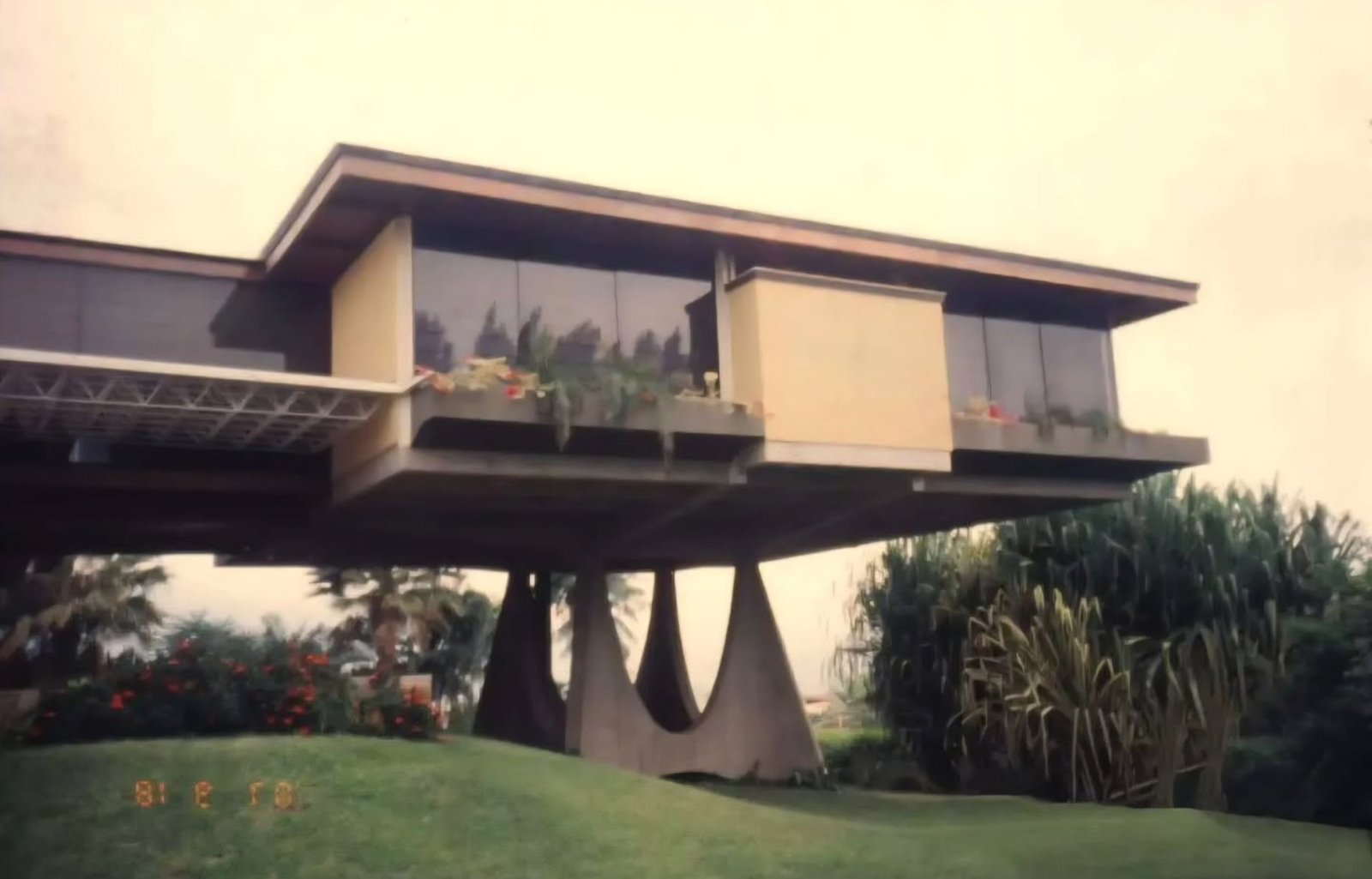
The alert issued by the Barquisimeto architects’ guild and the academic community of the Extramuros Architecture Unit of the Central University of Venezuela (UCV) in the face of the advanced dismantling of the Riccio House (1992) —masterpiece of the distinguished architect Fruto Vivas— transcends the local sphere to become the symptom of a structural crisis that affects the cultural heritage of all of Venezuela.
Properties of irreplaceable architectural value, conceived as masterful investigations into boundary structures and housing in the tropics, are today exposed to apathy, lack of supervision and arbitrary interventions carried out without the necessary technical rigor.
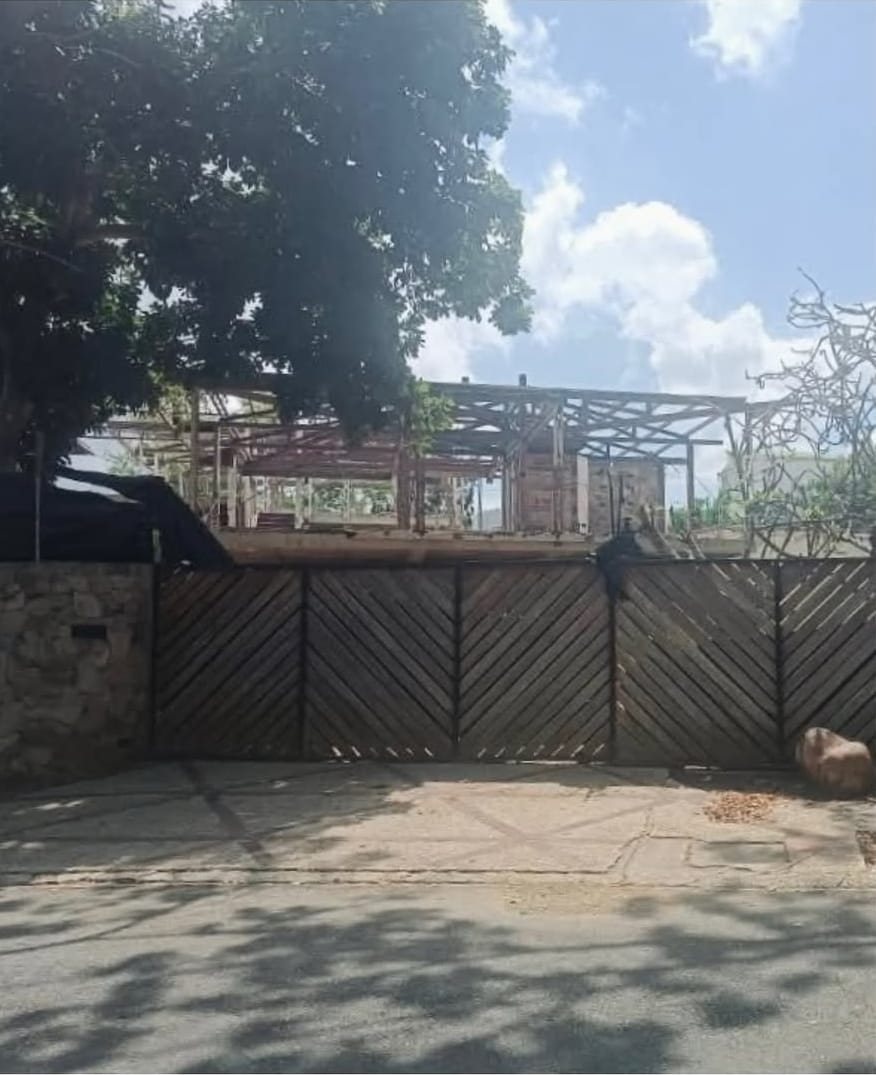
For the architect Alessandra de Sciulli, professor in the area of Environmental Conditioning at the UCVthe situation of the property is alarming. Although there is no preliminary technical report due to lack of direct access to the owners or those responsible for the work, visual records shared by colleagues in the area confirm the worst: a complete dismantling of enclosures, walls and latticesleaving only the original structural skeleton exposed.
De Sciulli warns that the compositional elements that give the architectural value to Fruto Vivas’ work cannot be manipulated lightly.
“These buildings require the intervention of specialists. Decisions cannot be made without the advice of calculating engineers, restorers and heritage experts who understand the complexity of structures designed under concepts of ventilation, lighting and earthquake resistance,” says the specialist.
The case of Barquisimeto is not isolated. Specialists from the environmental and heritage sector warn that a worrying pattern is repeated in various cities in the country: buildings of great historical and artistic value are intervened by individuals or designers outside the union who, due to ignorance or lack of supervision by competent entities, end up destroying a legacy that belongs to new generations.
The lack of an exhaustive, updated registry with mandatory consultation in heritage institutes—both at the municipal and national level—leaves the door open for ignorance and institutional omission to become accomplices to heritage destruction.
Faced with this offensive against modern architectural memory, architecture faculties and professional associations demand:
- The immediate stoppage of current work and the review of construction permits granted by local authorities.
- The formal heritage declaration of the property by the Cultural Heritage Institute (IPC).
- A scientific and interdisciplinary restoration process that allows the damage to be reversed under strict technical and regulatory parameters.
The voice of the UCV academy is clear: protecting heritage does not mean condemning it to abandonment, but rather guaranteeing that any intervention on the work of masters like Fruto Vivas is conducted strictly by trained professionals, stopping once and for all the impunity with which Venezuelan cities are transformed—and destroyed.