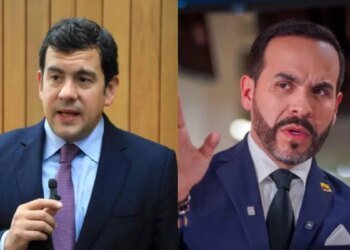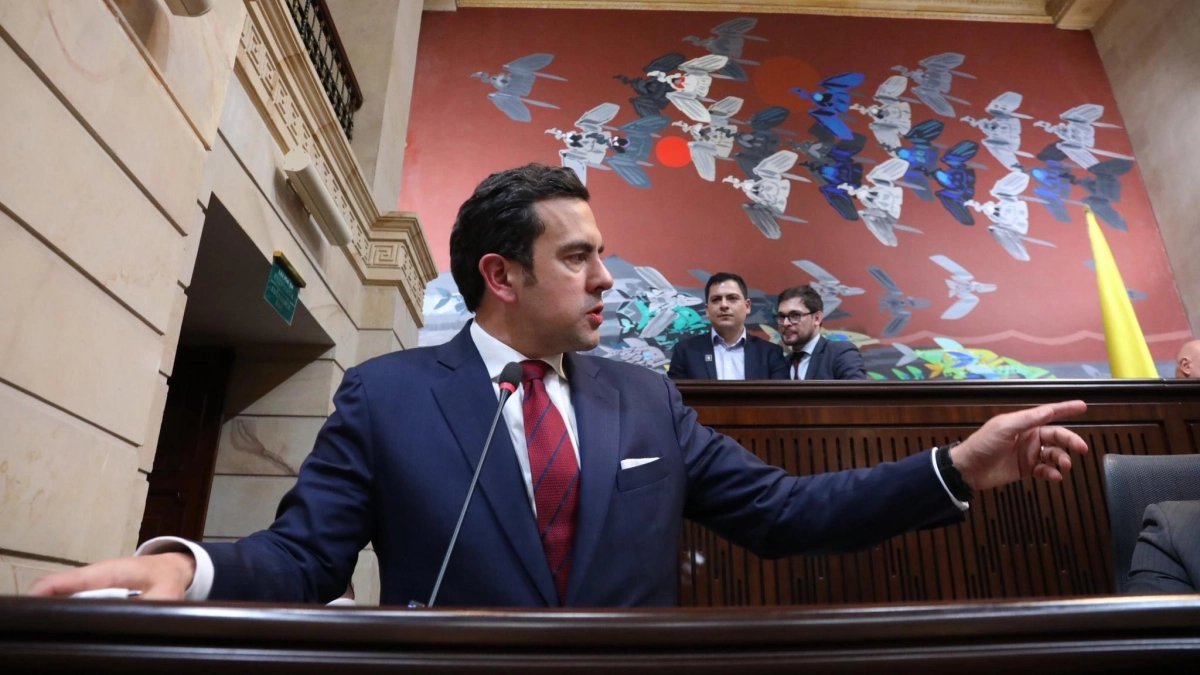
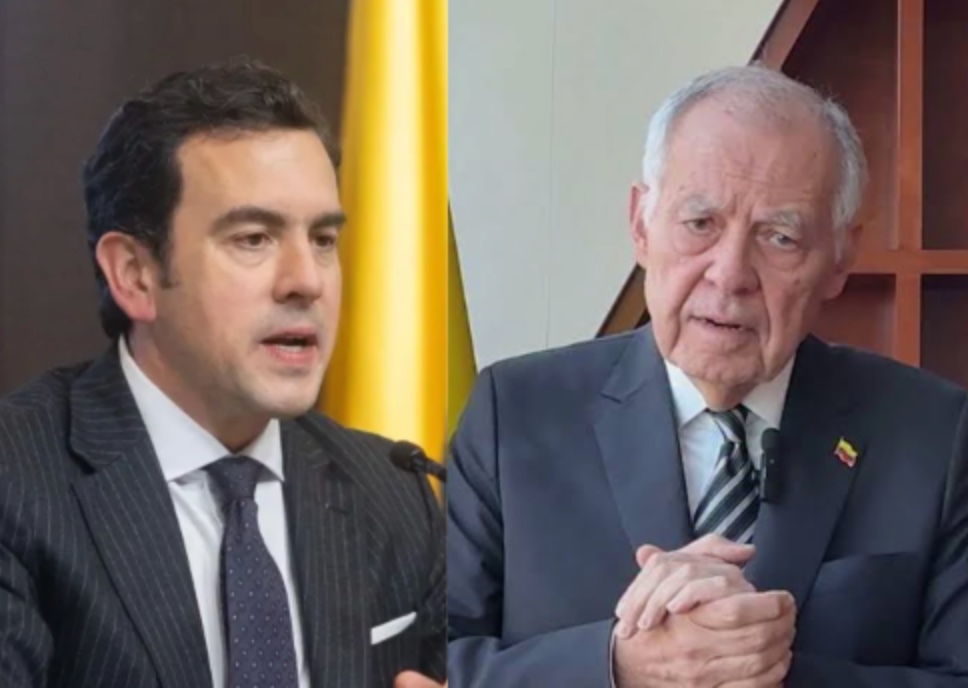
In less than 100 days, President Abelardo De La Espriella decided to make fundamental changes in the Ministry of the Interior: he removed Rodrigo Lara and in his place put the current ambassador to the OAS, Alejandro Ordóñez. It is a surprising move, given the early period, but it is explained by the various tensions that Lara accumulated and that ended up removing him when the bulk of the government’s projects were just about to enter Congress.
READ ALSO
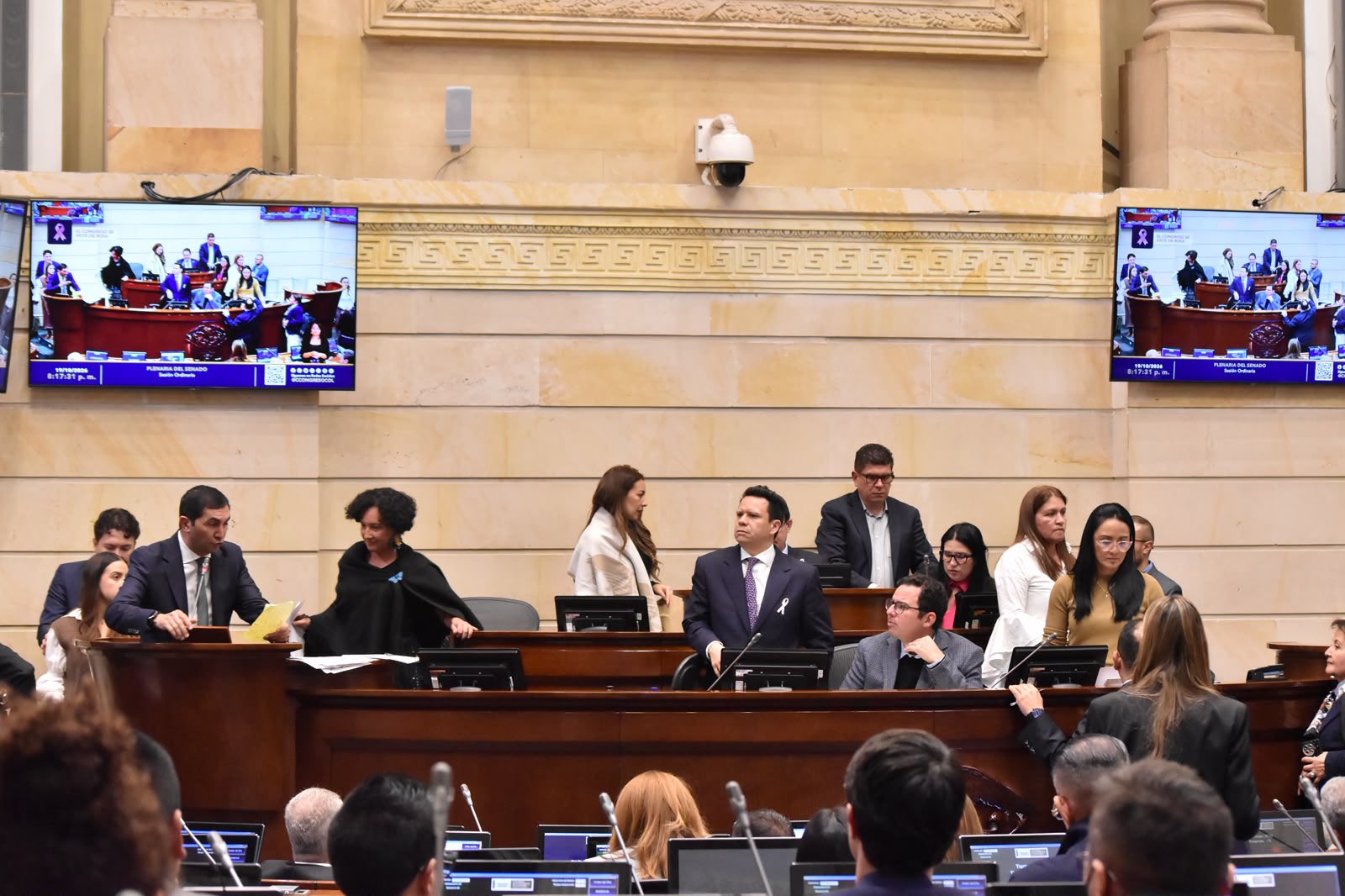
The most recent event was what happened with the 2027 budget, in which a defect in its processing ended up overturning the proposal that had already bypassed the debates in the plenary sessions of the Senate and Chamber. The De La Espriella government had insisted that Congressional approval was needed to give confidence to the markets, so the fall of the proposal was a severe setback.
However, the truth is that Lara started from day one with ‘conditional registration’. This is due to the defeat he suffered on July 20, before taking office, with the election of the president of the Senate, Honorio Henríquez. The then president-elect wanted Alfredo Deluque in that dignity and the now former minister was unable to obtain enough support to fulfill that wish. Uribism united with Petrism to launch a candidacy contrary to what De La Espriella wanted.
At that time, some difficulties for Lara in building consensus in Congress were evident. Several legislators commented that it was not only the issue of Deluque’s candidacy, but that it would have had an imposing tone in the negotiation of the presidencies of the plenary sessions and commissions and in the distribution by party of the seats in each legislative cell. Of course, they pointed out that the minister achieved several spaces for National Salvation, the only party that supported Abelardo De La Espriella from day one of the campaign.
READ ALSO
In the next election, the comptroller election, neither the Government nor the Ministry of the Interior took any risk and preferred not to have a candidate. Instead, the person responsible for politics was seen focused on addressing the emergency after the earthquake of August 10. Lara’s political skills were tested again before the Legislature in the election of the judges of the National Electoral Council.
Legislators said that on the day of the vote the dialogue with the minister was tense and there were even shouts between some senators from the government bench and the minister of politics over the order of the magistrate candidates on the voting boards. However, despite the clash, Rodrigo Lara got what the House of Nariño wanted: a place for the National Salvation candidate, Antonio Parra, and to stop the intentions of the Historical Pact to have three of the six places in the electoral court.
During the last few days, there were some complaints from legislators about the way in which Rodrigo Lara related to them, they even said that “he could not eat buñuelos”, in reference to the fact that he would not be around for December. However, the former representative was also delivering results in Congress.
READ ALSO
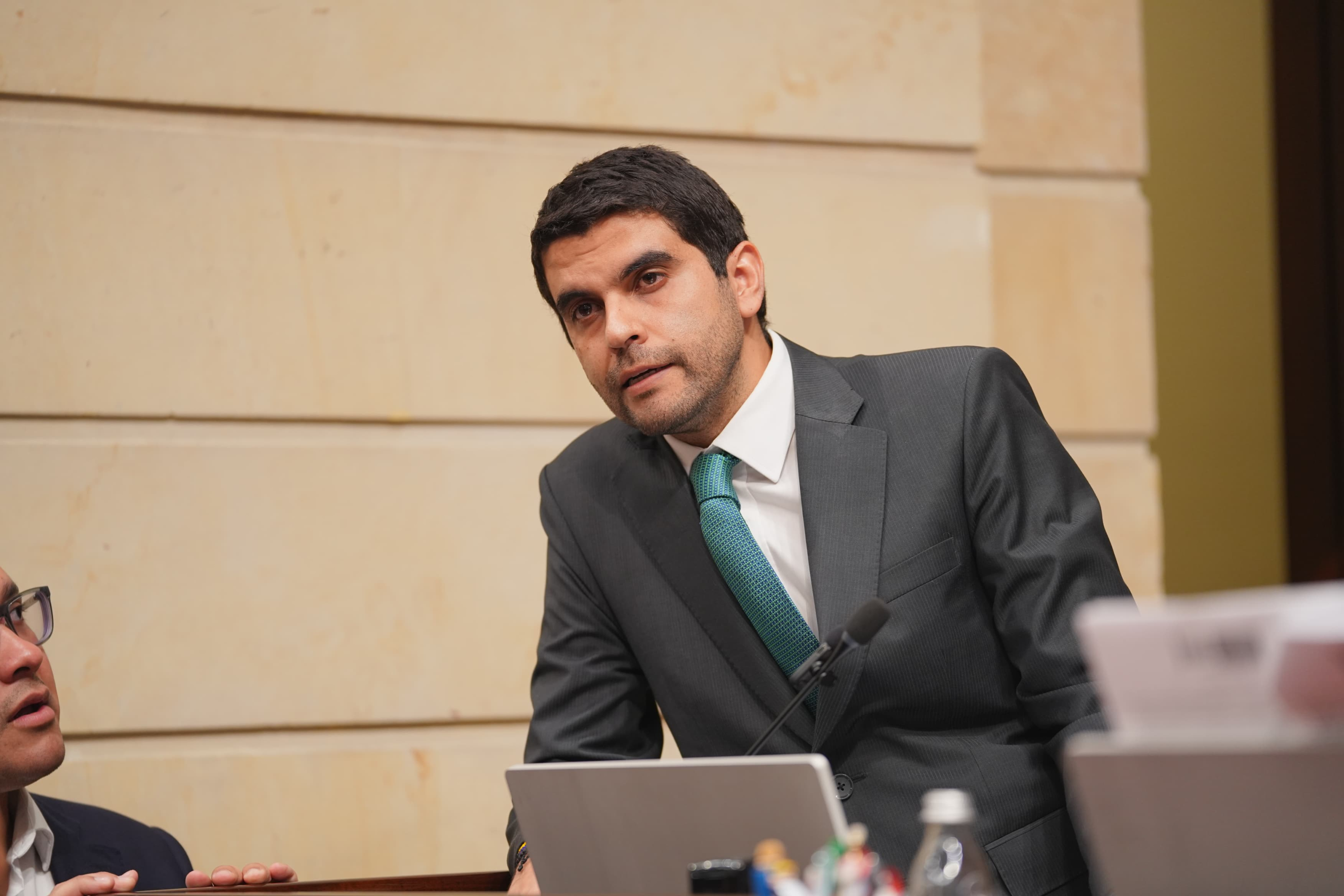
This is evident both in the budget and in the vote on the submission law. Beyond the vice that overthrew the final text, the now former minister managed to get the legislators to support the proposal despite the initial position of the Ministry of Finance of not accepting the proposals of the congressmen. Similarly, it was he who managed to convince the representatives of the Liberal Party to return to last Monday’s session, when they had decided not to attend in protest of President Abelardo De La Espriella’s treatment of his benchmate, San Andres representative Elizabeth Jay-Pang.
Regarding the submission law, the minister was leading the discussions very early this Wednesday. Curiously, his departure was announced just when the proposal was on the verge of being approved in its entirety in just one session, thanks to the good atmosphere achieved.
With the change in the Ministry of the Interior, proposals that were going to arrive soon, such as the anti-terrorist statute, which had several controversies over some points of its text, remain without pain; the legislative act for transparency in the relationship between Congress and the Executive; and other major initiatives.
READ ALSO
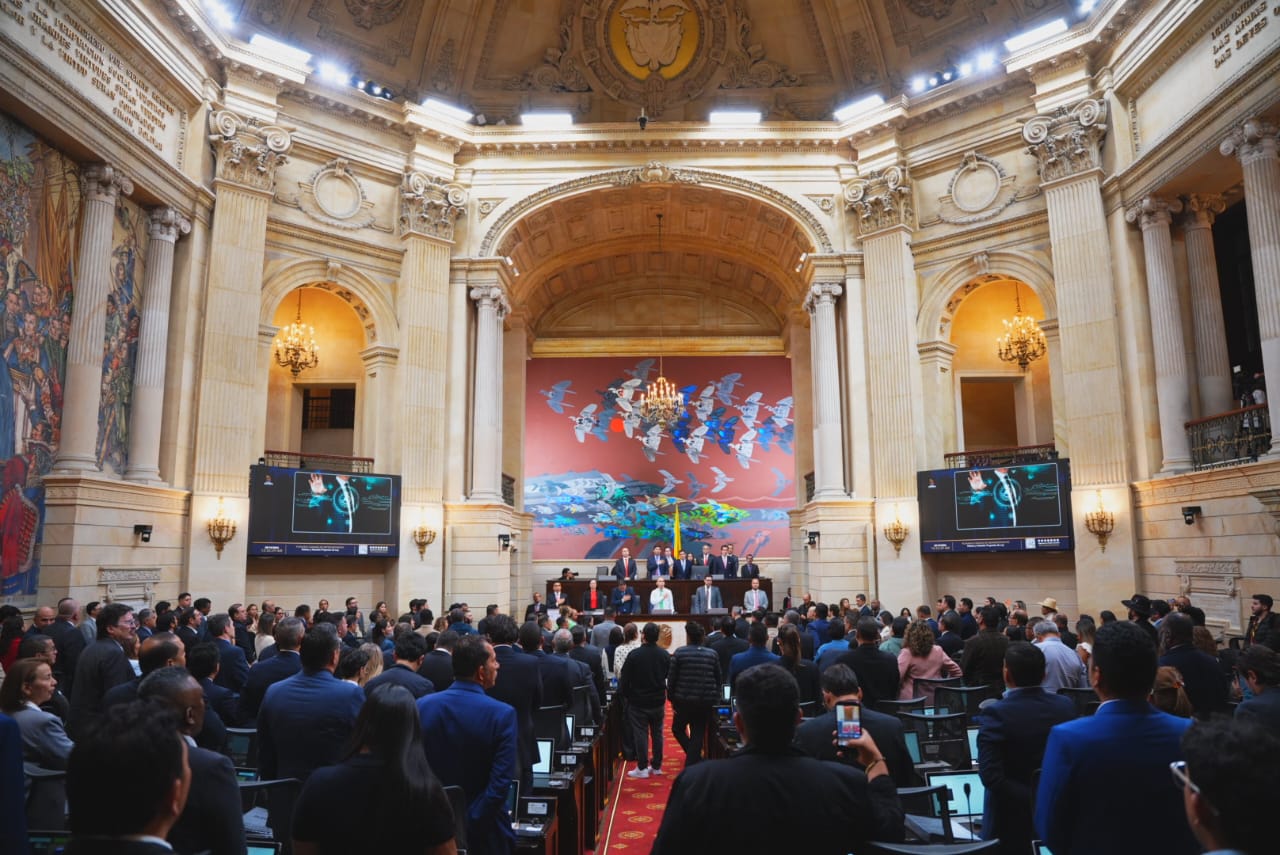
Tensions outside Congress
In addition to some friction that accumulated in a few months in Congress, the premature departure of Rodrigo Lara is also explained by the annoyances that there were in Casa de Nariño with some of the connections he made in the Ministry of the Interior.
On the one hand, influencers close to Abelardism began a “witch hunt” for former Petrism officials who were still in government and found several of these in the portfolio headed by Lara. Above all, they attracted attention from some who were close to former minister Armando Benedetti.
There were also differences with two specific designations. That of the Fire Director, Germán Andrés Miranda, and that of the former CNE magistrate Altus Baquero. Lara defended Miranda at first, pointing out that he met the minimum requirements for the position. However, he had to reverse it when complaints accumulated about Miranda’s possible participation in a corruption network.
READ ALSO
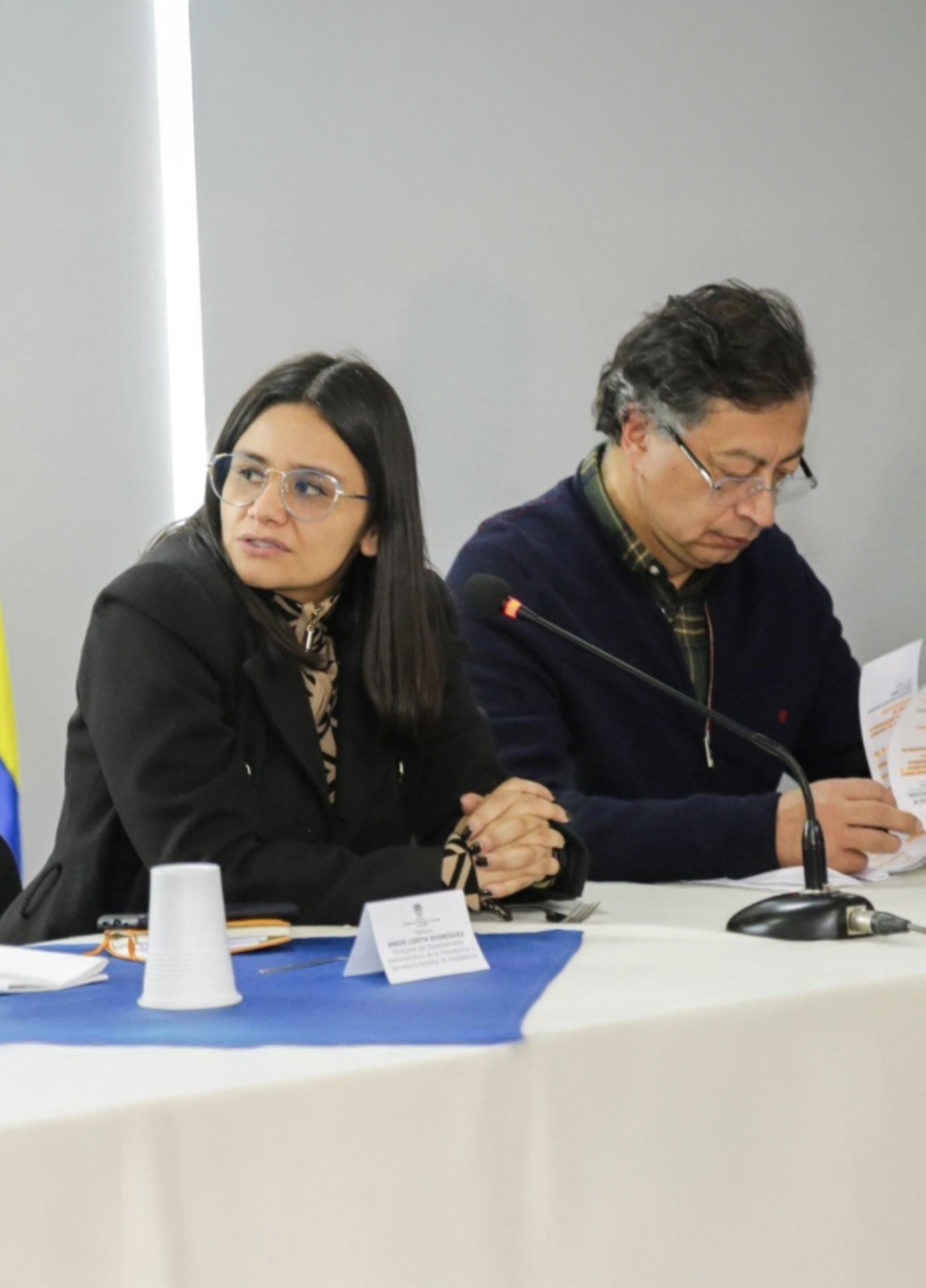
As for Baquero, EL TIEMPO revealed for the first time that the former magistrate – who was characterized by several votes coinciding with the bloc close to Petrism – had received a contract as legal advisor to the Ministry of the Interior. This alleged relationship with the past government was not liked by the presidential office and it was immediately ordered that the relationship be revoked.
This issue reactivated the groups of influencers who campaigned for the current President and who once again scrutinized the hiring of the Ministry. Once again they drew attention to Petro government contractors who had remained in the portfolio. Only until a week ago did this new “hunt” subside. Although on this occasion it was accompanied by the resurgence of several trills that showed Lara’s ideological divergences in the past against some axes of the current administration.
Trump took credit for the growth of the right in America Photo:
JUAN SEBASTIÁN LOMBO DELGADO
Political writing