With new offers targeting students, families, merchants and pilgrims:
Prepaid cards, instant transfers, and international cards to attract customers
Hajj fees, housing fees, and school admission purchases expand digital use
At the beginning of this month, public and private banks in Algeria entered a new phase of competition to encourage citizens and merchants to reduce cash transactions, by unveiling new offers targeting different categories, in conjunction with the public authorities’ move towards expanding the use of electronic payment in paying bills, fees, and administrative services. This move comes in the context of the installation of the National Payment Committee during May 2026, in accordance with Regulation No. 26-01 of May 31, 2026 issued by the Bank of Algeria, which determines its organization and modalities. Its functioning as an institutional framework charged with contributing to drawing up the national strategy for developing written and electronic payment methods and following up on its implementation.
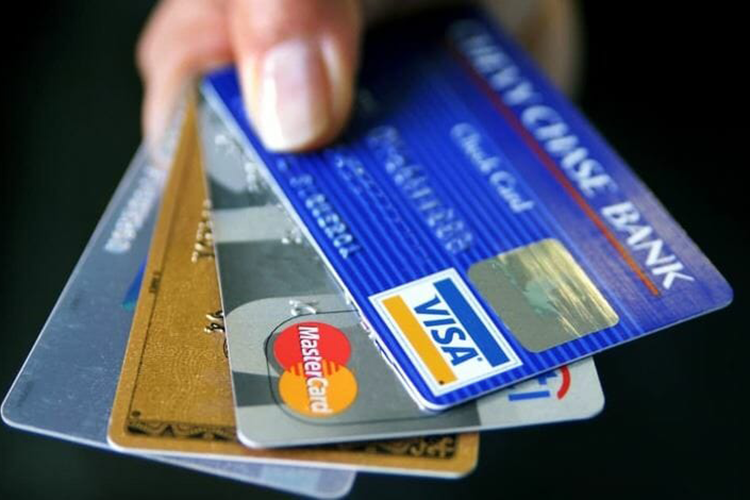
In this context, and according to the offers reviewed by Al-Shorouk, the National Bank of Algeria took the initiative to target university students by offering the prepaid card, which allows parents to allocate cards for their children and control their expenses and budget, with the possibility of filling them through banking agencies, ATMs and electronic applications, and using them for withdrawal and payment via the Internet and electronic payment devices. The bank also allows requesting up to 10 prepaid cards for family members for free.
In parallel, the bank participated in the fifth edition of the E-Commerce and Online Services Salon, through a workshop organized by the Digitization and Marketing Directorate to discuss the reality of mobile payment in Algeria, the aspirations of customers, the security of electronic transactions, and ways to enhance the confidence of citizens and merchants in these services.
For its part, the Local Development Bank, on the occasion of school and university entry for the year 2026, focused on encouraging the use of electronic payment devices at equipped merchants, especially libraries and school supplies stores, to facilitate the payment of families’ purchases and reduce the need for cash. The bank also promotes the mobile payment service, which allows parents to transfer money directly to their student children to meet their daily needs, thus enhancing the use of electronic transfers between people. In the context of digitizing services and fees, the bank announced raising the limit for paying with its card. The Bank raised one million dinars to pay the registration costs for the 2027 Hajj season.
The Foreign Bank of Algeria has launched an international card aimed at mini-importers, allowing the payment of purchases online on international platforms and websites, with the aim of facilitating payment processes related to this activity and enabling those concerned to conduct their transactions through banking channels. The offer comes in conjunction with measures related to developing electronic payment services and expanding the capabilities of accepting payments with foreign cards, in addition to the use of the QR code in commercial transactions.
For its part, the Algerian Popular Credit focused on mobile payment using the QR code, through a promotional campaign calling on customers to transfer money and pay for their purchases directly via phones, quickly and safely. The service falls within the efforts to expand electronic payment in commercial transactions and transfers between people, while payment transactions using the QR code recorded a growth of 1,200 percent within six months, according to the data contained in the outcome.
This trend extends to the various public and private banks active in Algeria, from the Bank of Agriculture and Rural Development and the National Savings and Reserve Fund to accredited private and foreign banks, as they work to develop mobile payment applications, expand the network of electronic payment devices and facilitate the use of online payment services. This comes in conjunction with expanding the use of electronic channels in paying a number of services and public fees, such as housing installments for rent, Hajj fees, and the purchase of Eid sacrifices, to As well as insurance and taxes, which prompts banks to develop their services and merchants to equip their stores with electronic payment methods.
Data recorded during the first half of 2026 show an expansion in the use of online payment, driven by the inclusion of new administrative services and transactions within electronic channels. The distribution of operations also changed compared to previous years, as the share of telecommunications transactions declined from 92 percent in 2020 to 45 percent, compared to an increase in the share of administrative services to 28 percent.
Banks are betting on the continuation of this trend to expand the electronic payment user base, by diversifying offers and facilitating access to digital services, at a time when public authorities are seeking to reduce dependence on “cash” and enhance the use of modern payment methods in daily transactions.