
Is it possible to make a living from audiovisuals in Andorra? Is turning your vocation into a stable job still a challenge? There are professionals working for local clientstechnicians who participate in large international productions and producers who try to raise films from the principality Despite the differences between their jobs, they share the same difficulty: maintain activity over time without having to depend on other markets or combine cinema with other occupations.
“Hiring seven people for a week does not develop the audiovisual fabric of the country”
“The productions that exist in Andorra are very anecdotal, there is no record”
The audiovisual sectorin addition, it is broad enough to include very different realities. Making videos for companies, covering events or recording weddings can generate more continuous professional activity, while getting a film off the ground often involves years of developmentfinding financing and negotiating with co-producers before getting to shooting. In both cases, however, the size of the Andorran market determines the opportunities. The question is not just whether there is work, but whether there is enough to build a long-term career out of.
“Many technicians and actors live abroad because they have to survive and there are more projects abroad than here”
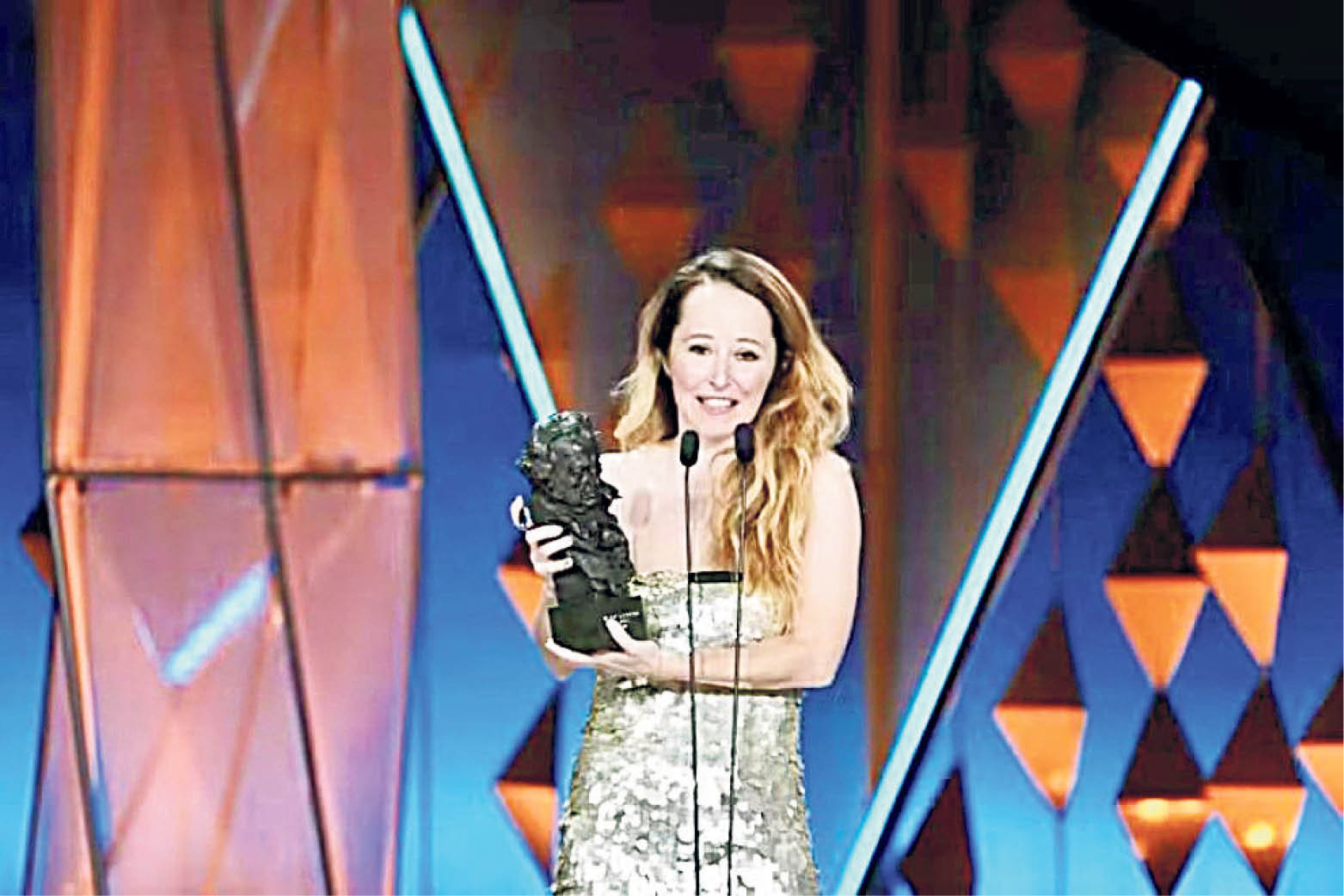
“The productions that exist in Andorra are very anecdotal, rather there is no record“, he explains Laia Ateca, art director who has worked in productions like They will be dust i siratand that has won a goya i two Gaudí The lack of regularity makes it difficult to live in the country of the profession and forces many technicians to look for opportunities abroad. Ateca considers that the natural landscapes it has Andorra they can be a niche market to attract shoots.
“If I depended exclusively on cinema, I wouldn’t be able to do it”
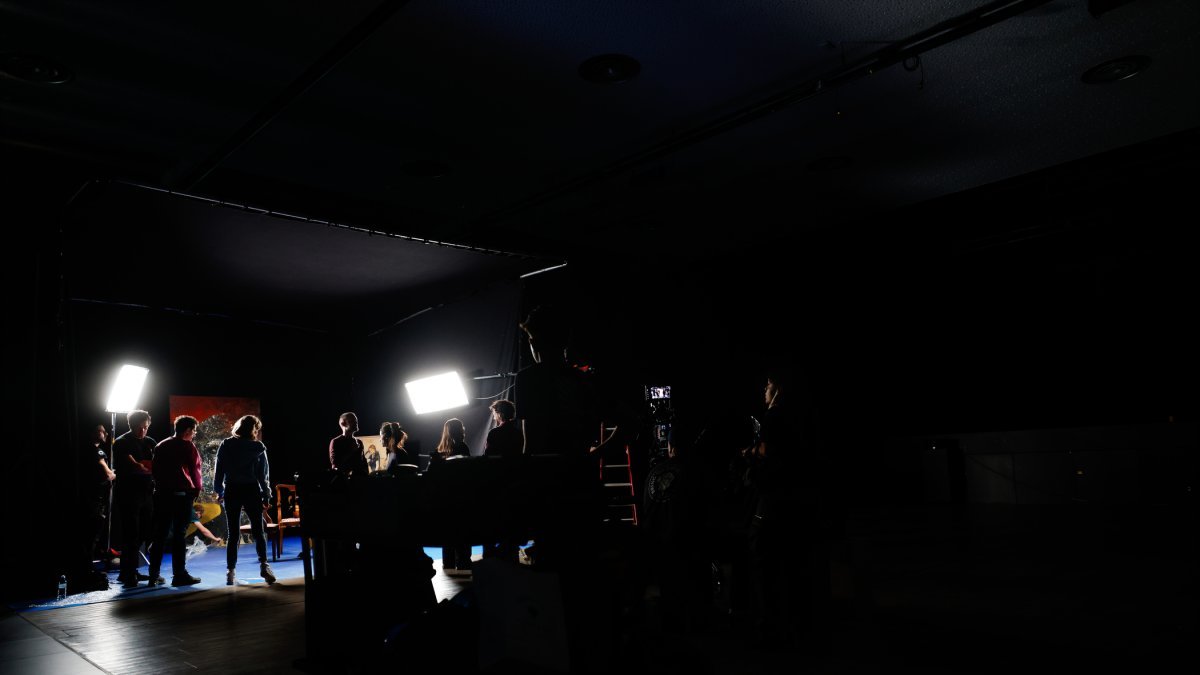
The situation is particular for professionals who work in the cinema. In this area, the problem is not only the size of the market, but also the difficulty of financing the productions and maintain a business structure between one project and the next. Marc Vadillodirector of the Andorran production company Silence Productions, works in House in ashesthe sequel to house on fire. It participates as a minority co-producer alongside the Spanish company Sábado. He explains that the development of the project has involved approximately a year and a half of unpaid work. “If I depended solely and exclusively on cinema, I couldn’t do it“, he admits. To maintain the activity, he needs to combine the film projects with another job linked to advertising. “I can tell you now that it is not profitable to make films”, he asserts.
“When there is a good product or good cinema, people go to the theaters”
Joseph Pozo, producer of Imminent Productionsconsiders that the 125,000 euros per year that Cultura allocates to cinema is insufficient. She advocates increasing aid to support three projects each year and prevent producers from having to wait several years to receive aid again. He also proposes to study tax incentives to attract international productions. “Hiring seven or sixteen people for a week does not develop the audiovisual fabric of the country“, he maintains.
“Being self-employed is a difficult decision, because you lose all stability”
The producer Pau Riera believes that the arrival of filming can give experience to professionals and facilitate future co-productions. He believes that it is necessary to start by attracting projects and consolidating a professional network before aspiring to finance great films exclusively from the Principality. The lack of opportunities also pushes professionals and actors to leave: “Many technicians and actors live abroad because they have to survive and there are more projects abroad than here”explains
Robert Ruescasresponsible for Carlemany Island cinemassees potential in the initiative of Film Andorraboth to give visibility to the country and to promote cultural activity. “It’s a bet that, if it’s done well and if it’s done head on, I think it’s very interesting“, he affirms. He remembers, however, that the public’s interest depends on the offer: “When there is a good product or a good movie, people come“.
Instability also affects self-employed professionals. Eric Escabiasa filmmaker established on his own, summarizes the difficulties of working in a sector in which commissions do not always have continuity: “Being self-employed is a decision that is complicated, because you lose all stability“. “You don’t guarantee a price per month”, Escabias points out.
The challenge is that the audiovisual impulse is not limited to attracting specific filming, but that it contributes to consolidate an own industrywith companies able to carry out projects and professionals who can develop their careers there. To do so, it will be necessary combine the arrival of international productions with more local support and an activity that goes beyond filming periods, according to the vision provided by the sector.