The people of Iran are going through hell at the moment. They are in a communication blackout, if they go out their front door, they have to be afraid of radicalized armed regime supporters on the streets, including those recruited from Iraq and Afghanistan, and in addition, the economic consequences of the war are serious and will burden the country for years to come.
They have been living in a communication and information blackout for almost 60 days. A VPN, an encrypted connection to a server abroad, costs 10 million tomans, which is the equivalent of 65 euros, which is affordable by European standards to circumvent a communication block, but the average salary of an Iranian with a degree is 30 million tomans, which is the equivalent of 180 euros.
More than 5,000 factories and companies were destroyed or severely damaged. These include key industries such as the state-owned Foolad Mobarakeh steelworks and large petrochemical plants. Entire production chains have collapsed and with them the livelihoods of millions of people. It is estimated that around two million people have lost their jobs: partly because their businesses were destroyed, partly because massive internet blockades brought their businesses to a standstill. The digital economy has been hit particularly hard. According to the representative of the Chamber of Industry Afshin Kalahi, the restriction of the Internet causes losses of around 80 million dollars every day. The energy and export industries are also under pressure. The petrochemical sector, one of the country’s main sources of income, has announced export bans after around 70 percent of its facilities were damaged.
The banks are faltering
Reconstruction is likely to take years and cost billions. At the same time, the banks are increasingly faltering. According to parliamentary circles, the financial system is on the verge of an insolvency crisis due to non-repayments and unserviced loans caused by the consequences of the war. A contact from Tehran writes about one of these expensive VPN tunnels: “What I see in society at the moment: People are completely disoriented. Some may have had small savings, which are now slowly running out. Many don’t know what to do. Most of the jobs have disappeared.”
The war has weakened Iran’s capabilities, but the regime’s ego, although badly bruised, has been boosted – after all, it still exists. Maybe things aren’t looking so bad for success for the Iranian negotiators in Islamabad – after all, it’s easy to play poker if you don’t care about the consequences for your own people. The dilemma is, if there is an agreement that gives the regime its survival, sooner or later everything will repeat itself, and until then the Iranian people will continue to go through hell under this regime. If there is no agreement, the war will continue, the country will continue to be destroyed, and that will also become a nightmare for the population. If the negotiations are postponed, the uncertain situation will be prolonged for everyone involved, which will not bring any relief.
The biggest dilemma, however, is that the situation is so precarious that in the West all that is now reported is the high fuel prices, the lack of kerosene and the dwindling supply of fertilizers. Forgotten are the headlines about the regime massacring tens of thousands on the streets in January and the judiciary announcing almost daily that people are being executed. But hardly anyone cares about these headlines.
The absurd idea of regime change with historically positive effects on the region seems to have been a tricky idea. This is also why the regime in Tehran is celebrating. That is the dilemma.
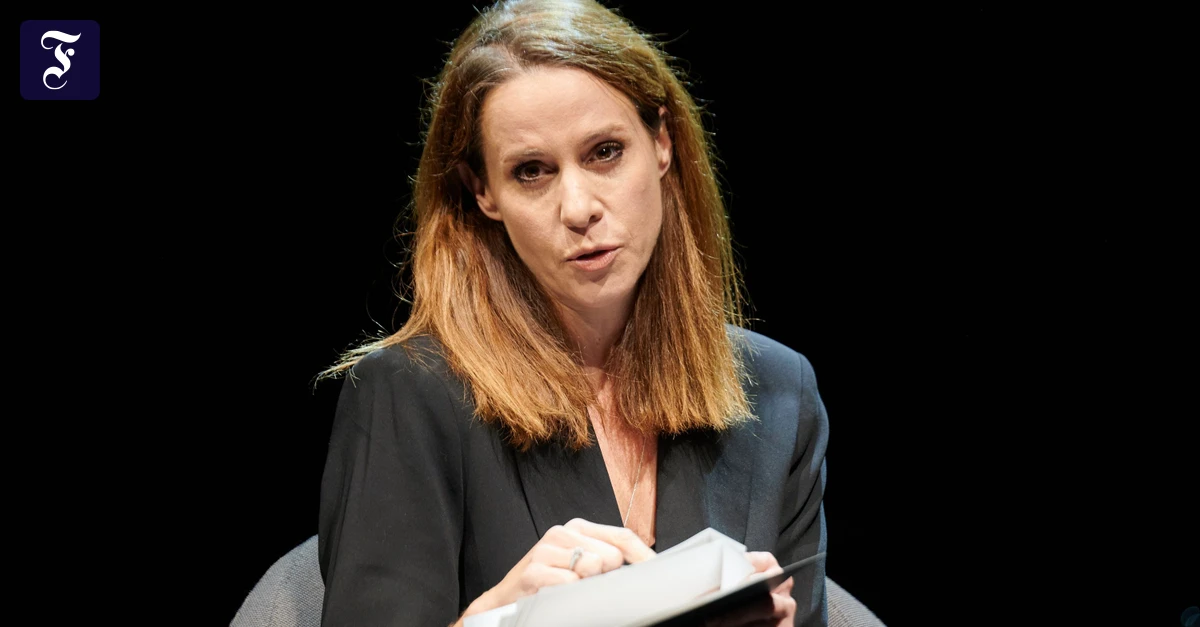
Natalie Amiri’s book “The Middle East Complex – Of People, Dreams and Destruction” has recently been published (Penguin, 416 pages, 20 euros). The text is an excerpt from her acceptance speech for the Hamburg Initiative for Human Rights Prize, which was awarded to the ARD journalist this week.