Regional and local governments are not in charge of criminal investigation of extortion, but they do have tools to prevent this crime and articulate responses from their territories. For Gisella Aragonteacher and researcher at the University of the Pacific (UP)one of the main possibilities for action lies precisely in the convening and coordination capacity of subnational authorities.
The serenazgo and the regional, provincial and district citizen security committees are some of the existing mechanisms. Added to these is the possibility of coordinating actions with the National Police of Peru (PNP) and the Prosecutor’s Officework with communities and establish mechanisms that allow victims to report and receive support.
In interview with The Commerce, Aragon explains what powers regional and local governments can take advantage of against extortion, what limitations they face and what the new authorities should prioritize to achieve sustainable results.

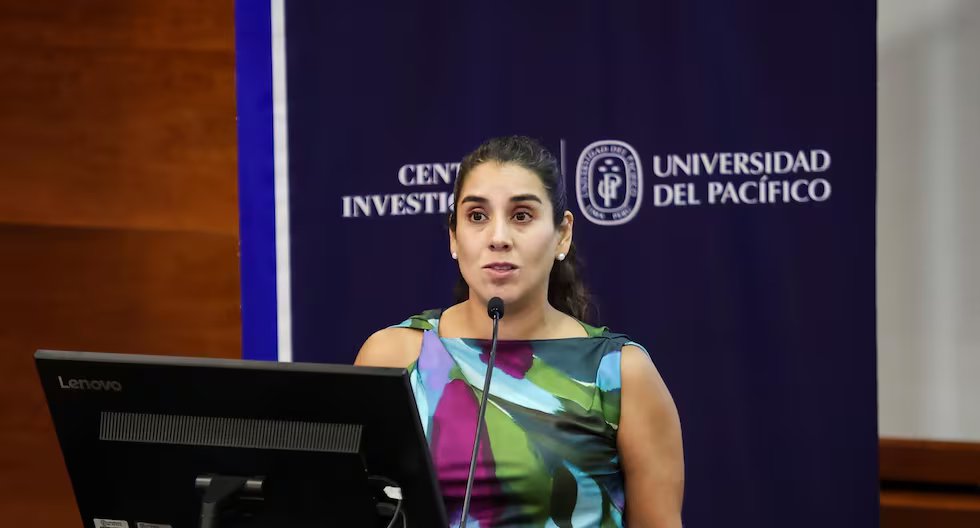
Gisella Aragón and Diana Torres-Obregón analyzed the possibilities and limitations that subnational governments face in intervening against extortion from their respective territories.
The dialogue is part of Agenda 2026 Regionalan initiative presented this Tuesday by the University of the Pacific in alliance with The Commerce during the first presentation that brings together 11 public policy proposals addressed to the new regional and municipal authorities.
- What can regional and local governments do, from within their powers, to confront the advance of extortion in their territories?
The role of subnational governments is key to combating extortion. Let us remember that extortion is widespread throughout our territory and, in fact, the important thing about their assignments or their powers is that they can articulate, organize preventive operations and also coordinate with State entities, National Police of Peru, Prosecutor’s Officein order to have a greater impact that is reflected in protection for the citizen, which is reflected, in general, in mechanisms where legality is restored. Finally, we can have that peace of mind, develop and (generate) well-being for society.
- What are the main limitations of subnational authorities to prevent and respond to this crime?
Well, in fact, that goes very well with the previous thing I was wondering about. What can you do? We can do the whole issue of citizen security service. After the serenazgo we have the regional, district and provincial committees of citizen security to be able to activate them and act, but, effectively, we need capabilities and that is one of the most important gaps that we have to fill: that presence of the State outside our most important cities, having them in our regional and local governments, feeling that it accompanies us in this process of combating extortion.
Therefore, it is not only a task of the State as an institution, but it is also a task shared with civil society, with the private sector and all of us who can participate in order to have a better development environment.
- How can coordination between local governments, the National Police and other institutions responsible for citizen security be improved?
There it is important to see that we have spaces or channels to be able to talk, to be able to coordinate based on the information that is available from the subnational and regional governments, to take them to these committees where the subnational authorities are the ones who chair them, lead them.
In that sense, these spaces are valuable to be able to know how to prioritize actions, what operations are going to be carried out and how the subnational government can also accompany this action of the Police and of the Prosecutor’s Officewhere finally working together makes the benefit greater.

Gisella Aragón and Diana Torres-Obregón analyzed the possibilities and limitations that subnational governments face in intervening against extortion from their respective territories.
- What prevention measures could be implemented in the most affected territories to reduce the risk of extortion?
We are inspired a little by the lessons learned from this international review that we have done and that is that working with the community is important. So, integrate them with these pacts to be able to have safe trade, to be able to have economic activities that are carried out within the licenses and within the expected order, and communication.
These spaces where I, as a citizen, can, if I am a victim, also have the peace of mind to report and inform, because that information is valuable for the authorities who can take action and it also helps me as a citizen to have adequate attention, to be able to continue developing, having protection and complete support from regional and local governments.
- What concrete actions can local authorities promote to protect small businesses and other vulnerable sectors from this crime?
This entire network is important to have this credential that commerce is safe and that there are operations and rounds where (subnational) governments check businesses, to see that there are these monitoring campaigns, where ultimately all actors are concerned that we are in the same situation.
In that sense, there is a kind of reflection that good practices must be promoted and, finally, with the expectation that the possibility is minimized, the incidence of issues such as extortion and other types of criminal manifestations are rejected.
- What should the next regional and municipal authorities prioritize to obtain concrete and sustainable results against extortion?
What they must prioritize is to definitively activate everything that has to do with this coordinating role that they have, because That is its great power, its great power to convene, to work on prevention, to involve the community.. In that sense, we have to work on it.
Ideally we would like the entire territory of the (subnational) governments to benefit, but we must prioritize, because our resources are scarce, our capabilities are also scarce.
In that sense, operating in pilots that in the medium term are giving us signs of what is working, in the long term we can already institutionalize actions and finally also see in which cases it is necessary to make reforms and make changes so that they can truly reflect the expected results.
CLARIFICATION
In the printed edition of The Commerce Published on Friday, October 16, the interview with Gisella Aragonteacher and researcher at the University of the Pacificwas accompanied by a photograph that did not correspond to the interviewee. The web version of this interview includes the correct photographs of Gisella Aragon.