The Minister of Finance responds to all the concerns of members of the Parliament Committee:
Policy Director: Expanding the tax base, combating evasion, and digitization to raise state revenues
Taxes, prices, targeted support, and continuing to combat money laundering are among the MPs’ interventions
The Minister of Finance, Mohamed Lamin Labou, reassured the government’s ability to confront the budget deficit and ensure financing of public expenditures, stressing that the directions adopted within the draft finance law for 2027 are based on mobilizing financial resources, combating tax evasion, and achieving a balance between public investment and social transfers, ensuring the continued financing of development projects and preserving the purchasing power of citizens. He also clarified, regarding the possibility of reviewing fuel prices, that the measure included in the project does not necessarily mean an increase, as it is possible to increase or decrease it, according to the approved controls, At a time when the government is focusing on nine main axes to enhance revenues, improve the living framework, and support economic development.
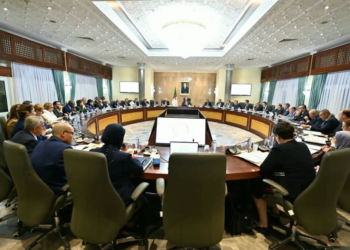
During his presentation of the broad outlines of the draft finance law for the year 2027 before the Finance and Budget Committee, on Monday evening, the Minister of Finance stressed that preparing the project is based on prudence in estimating revenues, ensuring the sustainability of economic balances, and strengthening public resources, while continuing to finance the country’s economic and social priorities.
The project includes nine main legislative axes, namely expanding the tax base, enhancing the mobilization of financial resources, improving tax compliance, and combating tax fraud and evasion, in addition to customs measures and measures related to state property. These directions fall within an effort to improve the collection of non-hydrocarbon revenues, modernize tax administration, and strengthen budget resources, in parallel with improving the citizen’s living framework, enhancing human development, continuing to complete major structural projects, accelerating digital transformation and modernizing state interests.
9.251 One billion dinars in expected budget revenues
According to the presentation presented by the Minister of Finance, the tax reference price for a barrel of crude oil was set at $60, compared to an estimated market price of $70, while the project adopted an exchange rate of 131 dinars per dollar, with an inflation rate targeting around 4 percent.
Budget revenues for the year 2027 are estimated at 9.251.1 billion dinars, compared to budget expenditures amounting to 17.882.65 billion dinars in payment appropriations and 17.251.61 billion dinars in commitment licenses. The minister explained that the proposed appropriations cover 84.5 percent of the total requests for commitment licenses, and 85 percent of requests for payment credits.
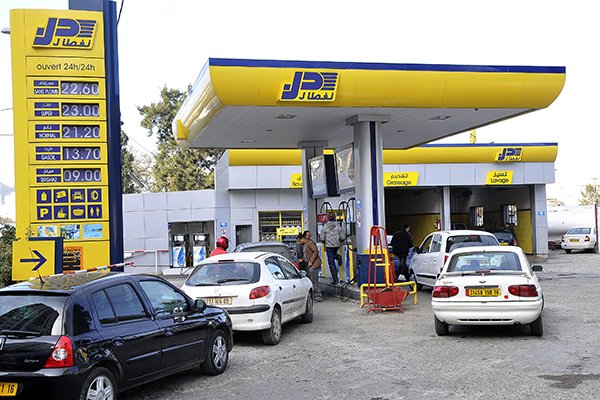
Regarding the price of fuel, the Minister of Finance’s response to the members of the committee did not decide on the direction of reviewing prices, as he explained that the measure does not necessarily mean approving an increase, but rather it may be raised or reduced, according to the approved controls, which keeps determining the direction of the review linked to the methods of implementing the article and the options that the government will adopt.
Lohaj reviews mechanisms for enhancing resources and confronting the deficit
In the context of completing the study of the draft finance law for the year 2027, the Finance and Budget Committee heard, on Tuesday, October 13, a presentation by the Director General of Estimation and Policies at the Ministry of Finance, Sayed Ahmed Lohaj, on the economic and budgetary framework and the prospects for growth and public finances for the period 2027-2029. With regard to mechanisms for confronting the financial deficit and enhancing public resources, Lohag reviewed a set of measures aimed at developing non-hydrocarbon revenues, modernizing fiscal administration, improving collection and expanding the base. Tax, in addition to combating tax evasion and fraud and accelerating digitization, allowing for the mobilization of additional resources, improving the effectiveness of the tax system and enhancing the state’s ability to finance public expenditures, in addition to combating tax fraud and evasion, modernizing the tax administration and accelerating digitization, allowing for the mobilization of additional resources and enhancing the effectiveness of the tax system.
Budget deficit and funding sources under the microscope of representatives
For their part, members of the Finance and Budget Committee, during the reception of the Minister of Finance and even the Director of Estimation and Financial Policies at the Ministry, raised a number of questions and concerns regarding how to finance the ongoing and accumulated deficit, and the accuracy of economic growth forecasts for the year 2027, in light of the rise in expenditures and financial imbalances, as well as the extent of the ability of expected growth to create wealth, improve purchasing power, and expand economic activity outside of hydrocarbons.
Their interventions also focused on the extent to which the budget is affected by fluctuations in fuel prices and the increase in management expenses, and the possible alternatives in the event that the targeted growth rates are not achieved, allowing for the continued financing of public programs and projects. The questions stressed the importance of rationalizing public expenditures, enhancing revenues, and diversifying their sources, in a way that supports financial balances and limits the repercussions of economic fluctuations on the budget.
The MPs’ concerns extended to the impact of tightening fines and raising consumption duties on purchasing power, and the necessity of achieving a balance between fiscal deterrence and maintaining the attractiveness of investment, in addition to reconsidering the ceiling on the wealth tax and reducing the fiscal burden in a way that allows for stimulating investment and creating new economic mobility.
The members of the committee also raised the issue of voluntary taxation, stressing the importance of providing legal guarantees and supervisory mechanisms that prevent the exploitation of this system for money laundering, and enhance transparency and compliance with tax legislation. Concerns also included settling institutions’ dues, accelerating the completion of delayed projects, and promoting non-fuel exports, as well as the implications of the growth of the agricultural sector on financing irrigation and supporting farmers.
The directions contained in the draft Finance Law for the year 2027 reflect the government’s keenness to strengthen public resources and continue financing economic and social development, by improving tax collection, diversifying revenue sources, and modernizing administration. Achieving these goals remains linked to the extent to which growth expectations are reflected, the effectiveness of the measures taken to mobilize resources, and the ability to control expenditures and ensure the sustainability of financial balances, in a way that supports investment and preserves social gains and the purchasing power of citizens.