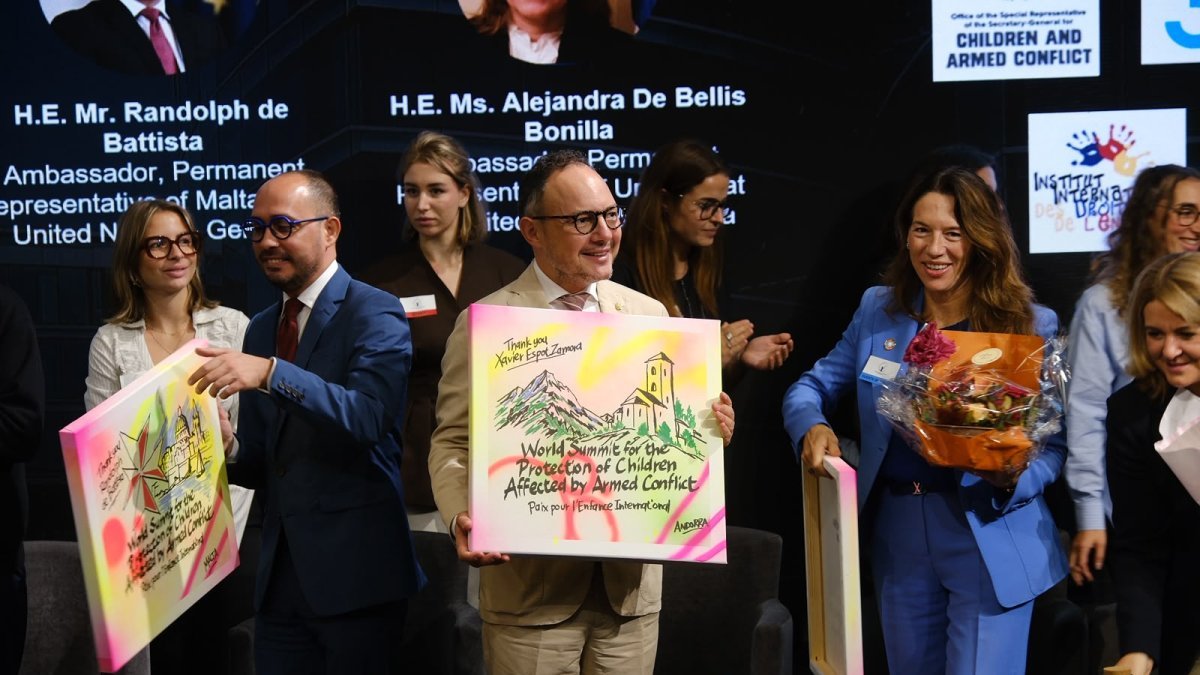
The head of government, Xavier Spotspoke this morning in Geneva at the international convention Peace pour l’Enfancefocused on the protection of children affected by armed conflicts. spot has defended the position of Andorra and has called to strengthen the international cooperationnoting that the child victims of the war “they cannot be a secondary priority” and that its protection must be “one collective responsibility that we all have to attend to.”
During the intervention, spot has highlighted the adhesion of Andorra to the Prove It Matters campaignan international initiative promoted by the Office of the Special Representative of the Secretary General of the United Nations for Children and armed conflicts with the aim of placing the protection of minors in war zones at the center of the international agenda.
The none of the executive he also remarked that international commitments must be translated into concrete actions. “We have to demonstrate, through our policies, decisions i resourcesthat we mobilize in favor of children affected by armed conflicts”, he affirmed. In this sense, spot has defended the need to strengthen the protection of minors and hers too physical rehabilitation i mentalespecially in contexts in which they have directly suffered the consequences of war.
Espot has also reiterated the defense of Andorra of law international and rights humans and has urged the different states to join efforts. The head of government has defended that the shared assumption of responsibilities, the multilateral agreements and the international cooperation they must contribute to offering a perspective of hope to the children who live in contexts of war.
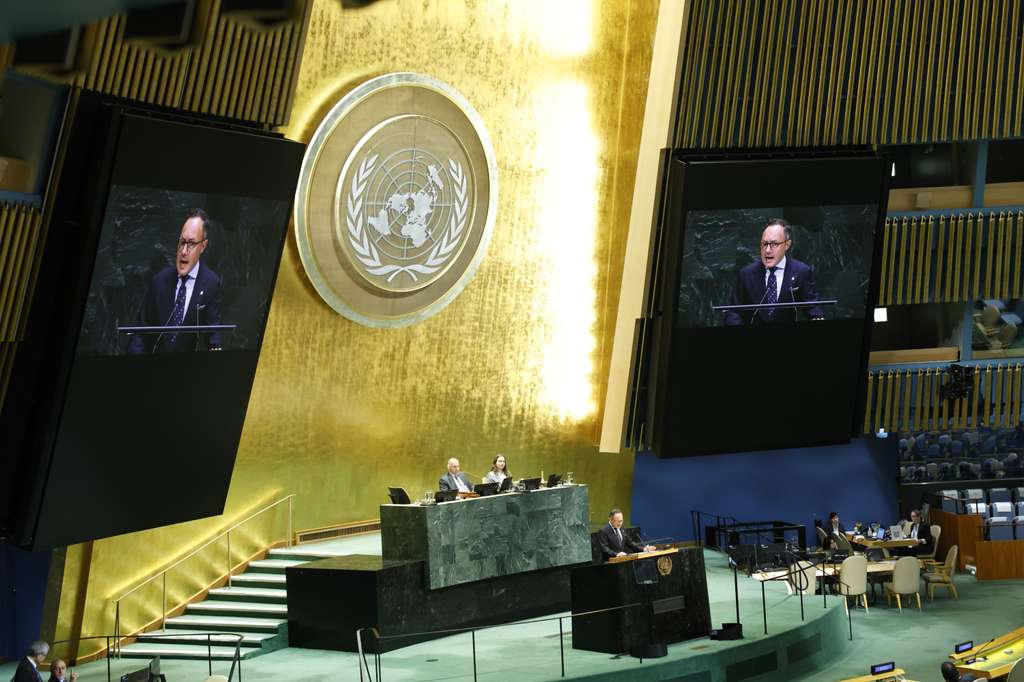
For the chief executive a joint response can allow strengthen the protection of childrenguarantee their recovery and offer them a future perspective beyond the conflict.
spot closed his speech with a message of hopeasserting that “it is possible to rebuild a life and transform suffering into hope“. An idea with which he wanted to emphasize that the protection of children affected by war should not be understood solely as a legal or institutional obligationbut also as a shared responsibility of the international community.