SUBMITTED
Robert Greene describes in ‘The 48 Laws of Power’ how power behaves when it is not limited by morality, transparency and public control. “Hide your intentions” and “never say more than necessary” in his book are not democratic virtues, but strategies to maintain influence. That is precisely why the Leysner case is so disturbing. Not only because of the seriousness of the suspicions, but especially because of the questions it raises about selectivity, independence and accountability within the rule of law.
When some suspects are quickly arrested and prosecuted, while another main suspect – despite publicly known serious suspicions – remains out of detention, society inevitably creates the impression of unequal administration of justice. This does not automatically mean that legal misconduct has been committed. It does mean that the Public Prosecution Service must convincingly explain which criteria have been applied and why they apply equally to all parties involved.
“The Leysner family does not deserve political theater, but truth, law and justice”
A constitutional state cannot function on the basis of secrecy, arbitrariness or communication that seems primarily intended to control public opinion. Investigation reports, press moments and statements about an “ongoing investigation” should not become a smokescreen hiding a lack of progress or poor coordination. The Leysner family and society have the right to care, but also to timely and understandable information – of course within the limits of the criminal investigation.
The Minister of Justice and Security also has a responsibility in this regard. The minister may not take over from the Public Prosecution Service, but neither can he hide behind the formal independence of the Public Prosecution Service when structural questions arise about policy, capacity, supervision and public accountability. After all, independence does not mean uncontrollability. Power without accountability ultimately undermines confidence in the entire legal order.
The key question is therefore not only who can be held criminally responsible for the facts in the Leysner case. The broader question is: ‘does the Surinamese constitutional state treat every citizen according to the same standard? Is decisiveness applied on the basis of evidence and law or partly determined by status, network and political sensitivity?
In a democracy, no one should be above the law – not even an entrepreneur with influence, no office holder and no manager within the judicial system. Those who exercise power must be prepared to be accountable. And those who can no longer do that credibly must make way.
That is why an independent investigation into the course of events is necessary. If this shows that the Attorney General, her immediate environment or the minister have failed in their constitutional and administrative responsibility, then only one honest conclusion remains: resign or resign!
The Leysner family does not deserve political theater, but truth, law and justice. Suriname deserves a Public Prosecution Service that stands above interests and a government that understands that trust is not demanded, but earned.
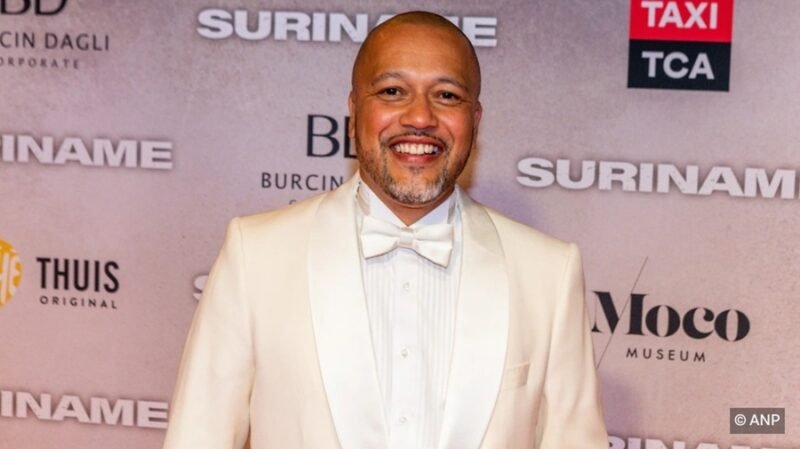
Drs. Ing. Colvin Overdiep Mphil (criminologist/autonomous thinker)
The editorial staff of the True Time allows readers to submit articles for publication. In principle, all submitted articles will be included, unless the content is harmful, hurtful or insulting to third parties. Pieces posted do not necessarily reflect the views of the True Time. The editors reserve the right not to publish articles, or to shorten or edit them without taking them out of context..