Everybody knows about Christmas, Easter, and Constitution Day on June 5th. But what are some Danish annual holidays you won’t find on any calendar?
Bakken opening day
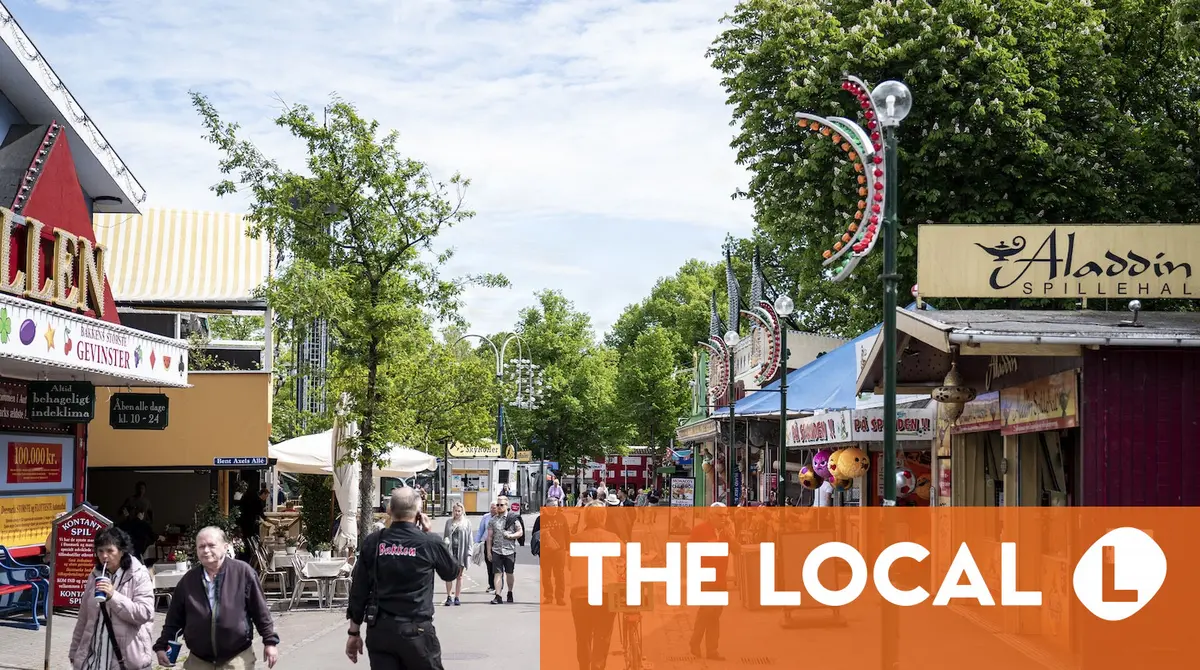
Bakken, right outside of Copenhagen, is one of the oldest amusement parks in the world. It’s been making summer fun since 1583. And when it opens for the summer season, usually on a Friday late in March, thousands of motorcycle riders from all over Denmark arrive in a huge procession to start the season off right.
You can hear the thunder of engines all over the city as men and women in black leather jackets roar through the streets, which have been cleared of buses and other traffic. After the deafening stream of steel horses arrives at Dyrehaven, the park that is home to Bakken, the motorcyclists enjoy a picnic.
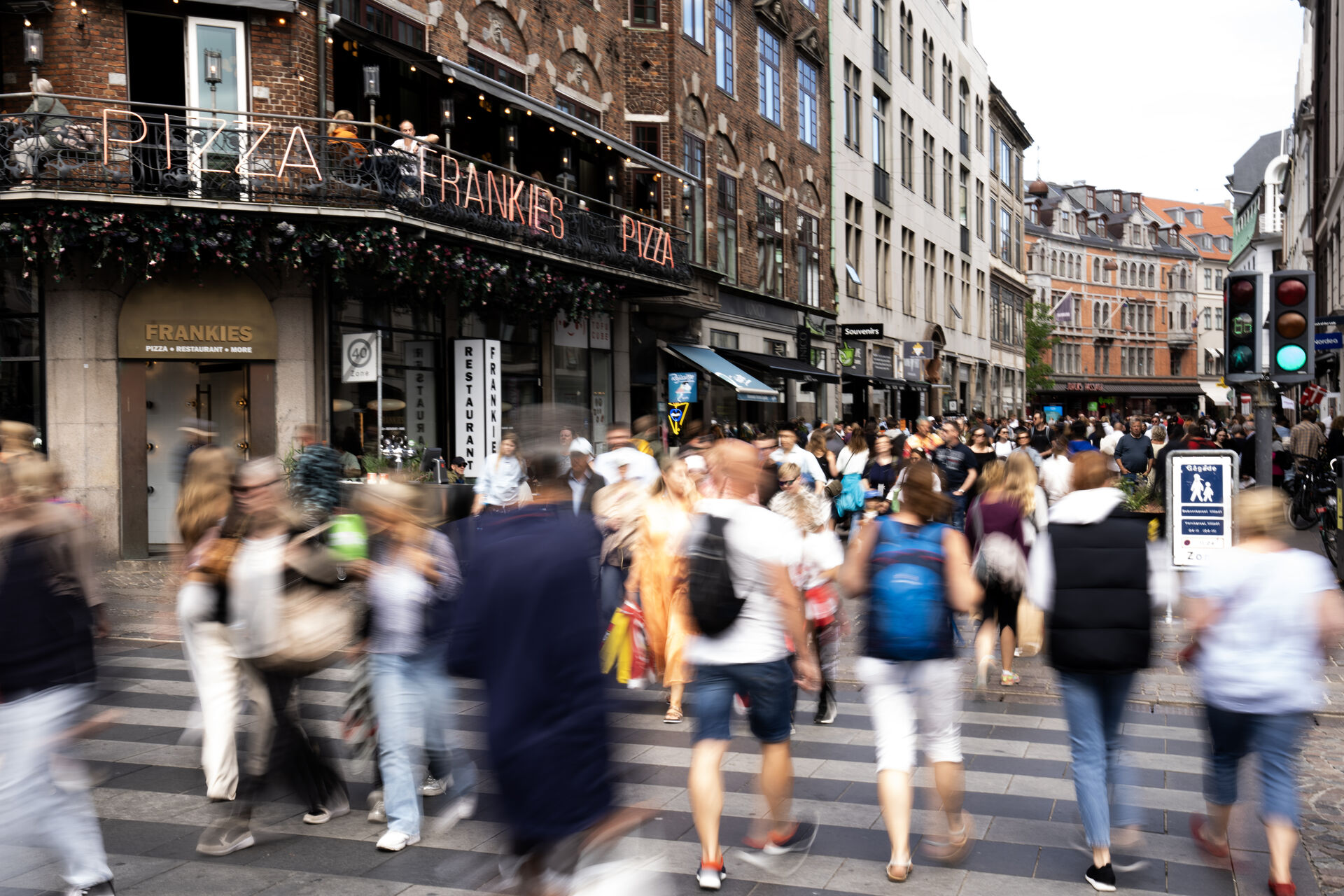
Lots of teenagers will head to Strøget, Copenhagen’s main shopping street, the Monday after their confirmation. Photo: Thomas Traasdahl/Ritzau Scanpix
Blue Monday after confirmation
Although few Danes are active churchgoers now – despite the big cross on the Danish flag – confirmation is still a big day in a teenager’s life. After a year of religious training and a brief ceremony, it’s time for a party, and often for a young man’s very first business suit. (Girls wear a white dress in whatever style they choose.)
Advertising
Family friends and relatives arrive with luxurious gifts like computers or jewellery, or sometimes money – and the confirmand gets a Blue Monday (Blue Monday) off school to go shopping, together with friends.
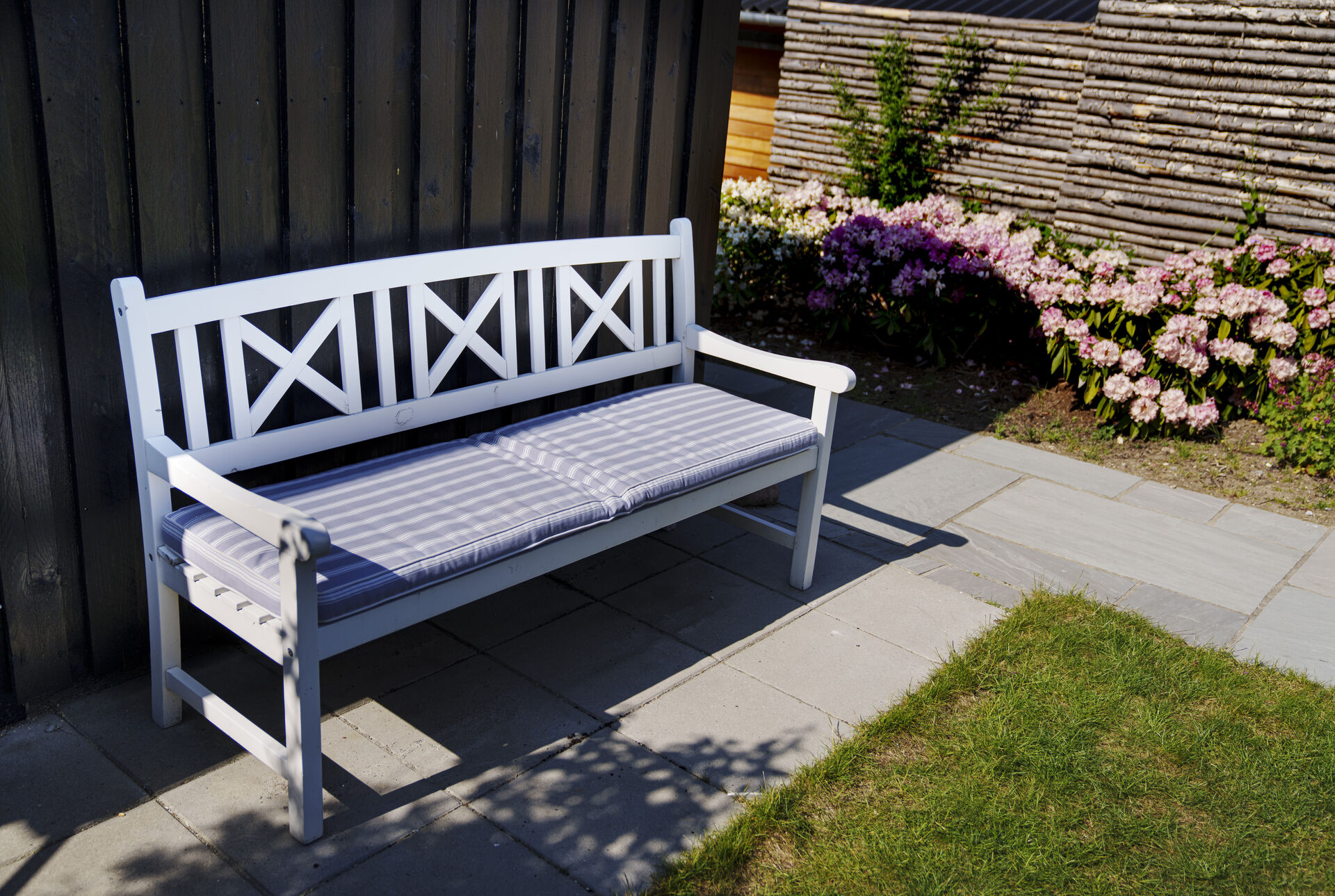
Danes will often take their lawn furniture in over the winter to protect it from the bad weather. Photo: Liselotte Sabroe/Ritzau Scanpix
Lawn furniture goes out day
Spring comes slowly to Northern Europe, where frosts are still common until mid-April. But when daylight saving time begins in late March, it’s common to put the lawn furniture outside, and to sit and enjoy the first soft sunrays of spring – even if it’s from beneath a blanket. Blankets are also commonly supplied at Danish outdoor cafés. When daylight saving time ends in October, it’s time to bring the lawn furniture back indoors again for storage during the long Danish winter.
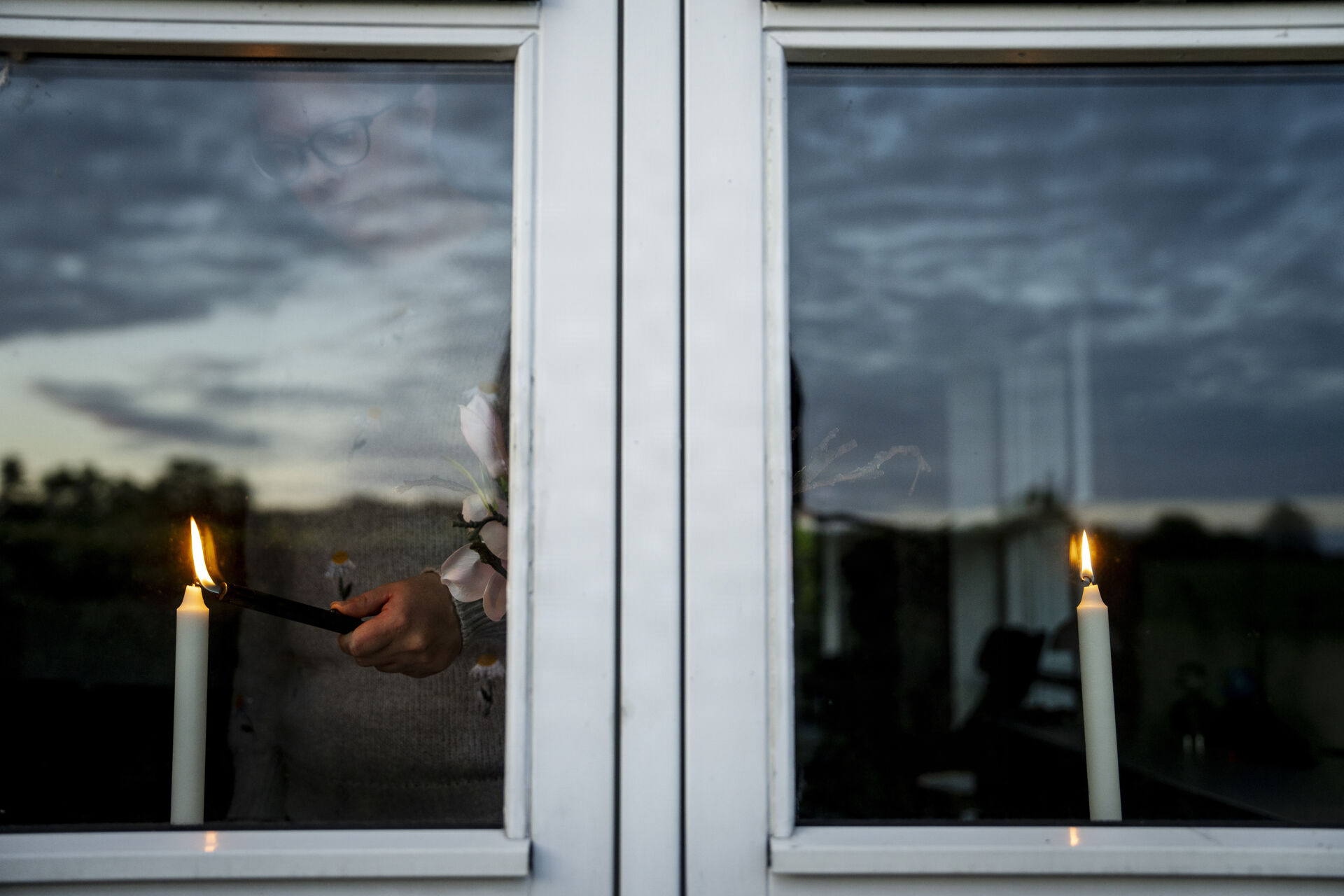
Many Danes still light a candle on May 4th to mark the day Denmark was liberated. Photo: Mads Claus Rasmussen/Ritzau Scanpix
Put a candle in the window for freedom
Denmark was occupied by the Nazi army for 5 years during World War II, a dreadful period that saw a few thousand Danes fighting for Germany while many others helped Jews escape to neutral Sweden. An organized Danish resistance to the occupation took a while to develop, and many resistance operations were conducted by Danish teenagers, who were executed by the Nazis when discovered.
Advertising
During the occupation, the Nazis imposed a nighttime blackout on Denmark. So to commemorate the ultimate Allied victory, many Danes put a single candle in the window on the night of May 4th, the date on which the occupation ended.
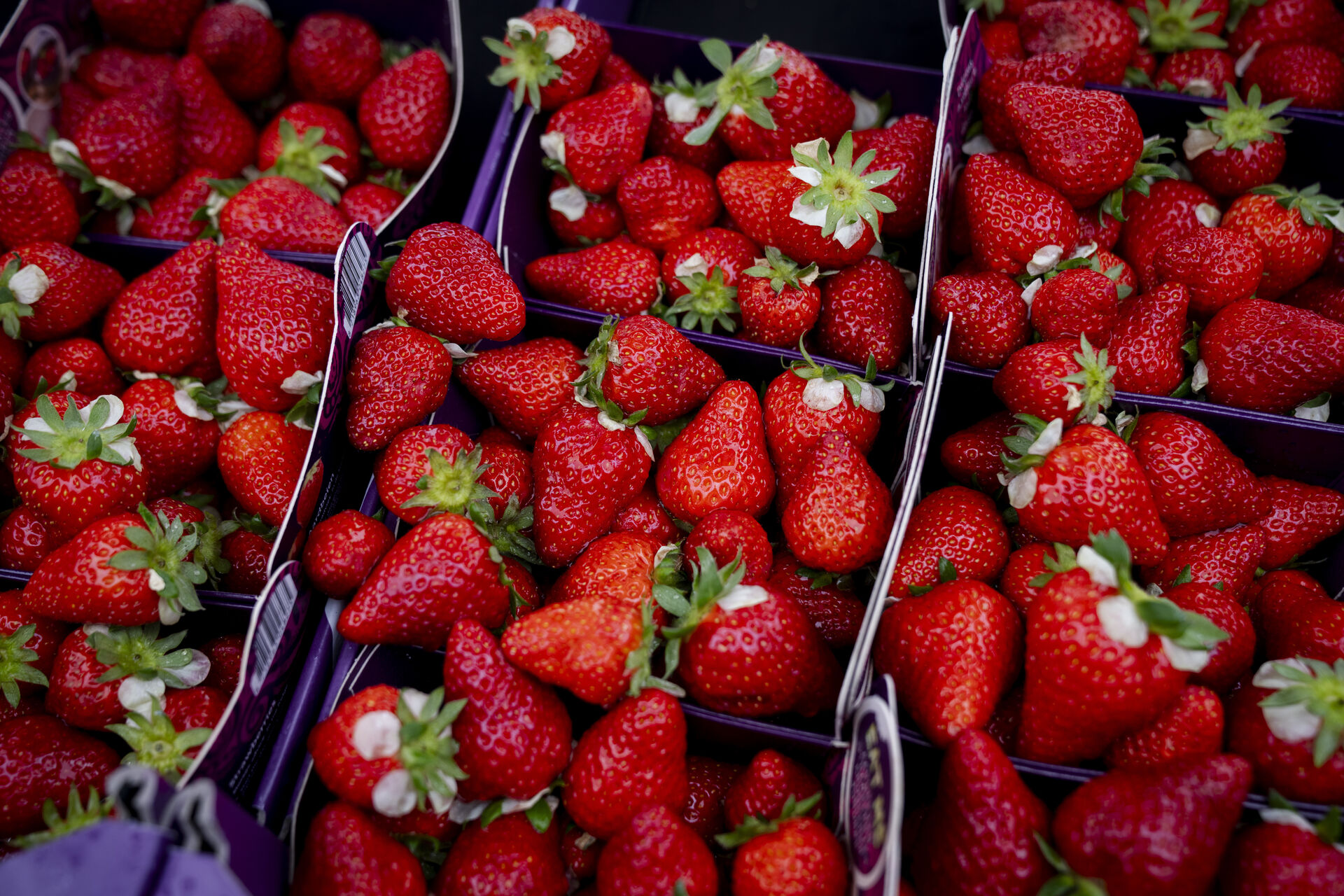
The season for Danish strawberries is short, so many will make the most of it when it finally arrives. Photo: Ida Marie Odgaard/Ritzau Scanpix
Strawberry season begins
Danish strawberries are wonderful, but they take time to ripen, and usually appear about halfway through June. They’re well-timed for the school graduation season – a new graduate of secondary school is greeted after the final exam by family and friends with fresh strawberries and champagne.
Strawberries are almost always a feature of the Sankt Hans picnic, an often rained-out Danish midsummer event on June 23rd. If it isn’t raining too hard, local communities gather and sing the The midsummer song song and then watch a big bonfire, sometimes with a straw witch burning on top.
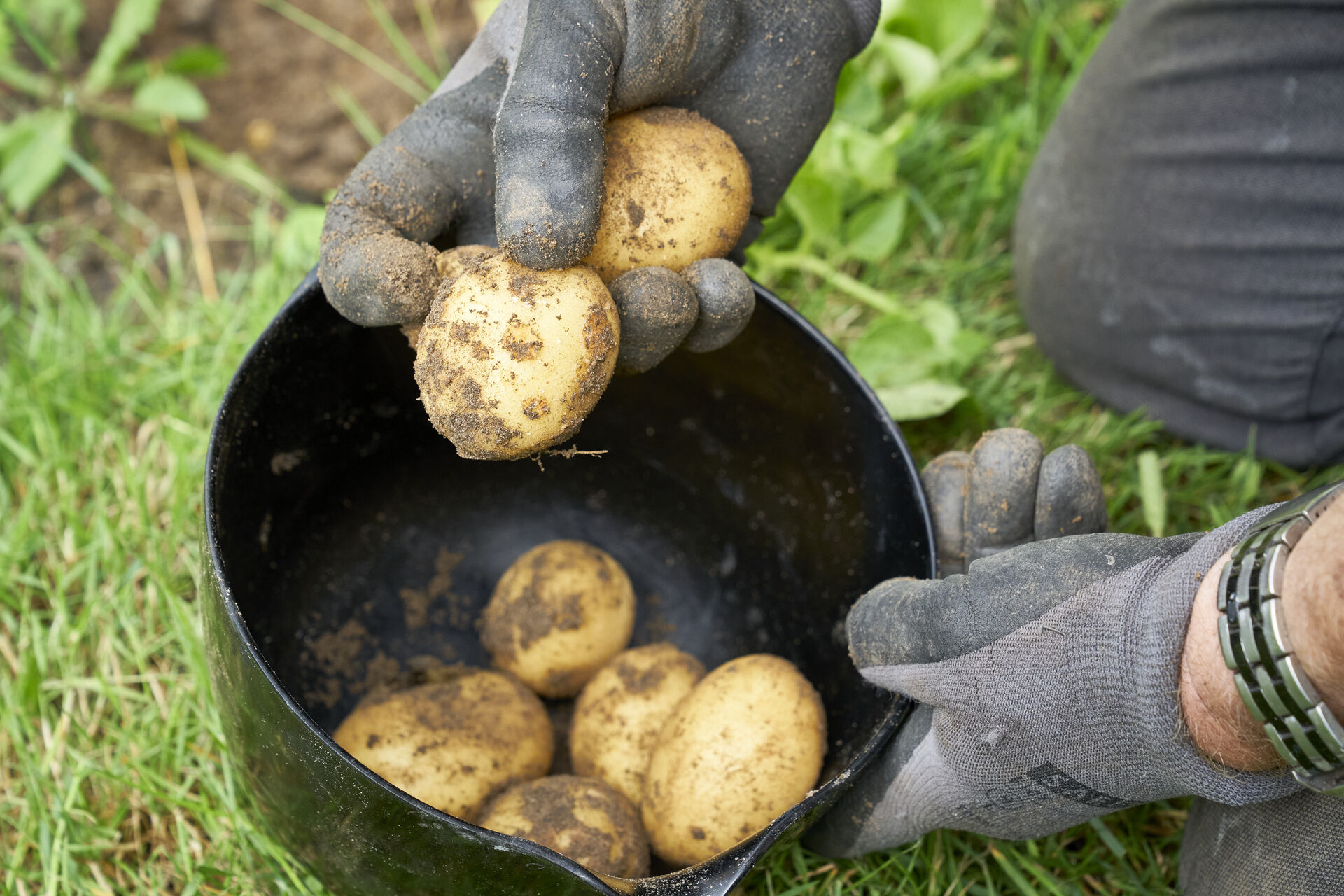
It may not be an official holiday any more, but Danish kids do still get a week off in October because of potatoes. Photo: Signe Goldmann/Ritzau Scanpix
Potato vacation
Denmark was a primarily agricultural country until the 1950s, and in mid-October, farmers needed all the help they could get to harvest the annual potato crop. Schoolchildren were given a week off to help dig potatoes out of the ground before the first frost hit.
By the 1960s, farming had been mechanised, but the vacation remains, and is a favorite for family trips to cities elsewhere in Europe. (You’ll hear Danish spoken on the streets of Barcelona, Budapest, and Brussels during the potato vacation.) In Copenhagen, the vacation kicks off with Culture night (Culture Night), where you can buy a personal pass to go behind the scenes at dozens of museums, theatres, and palaces.
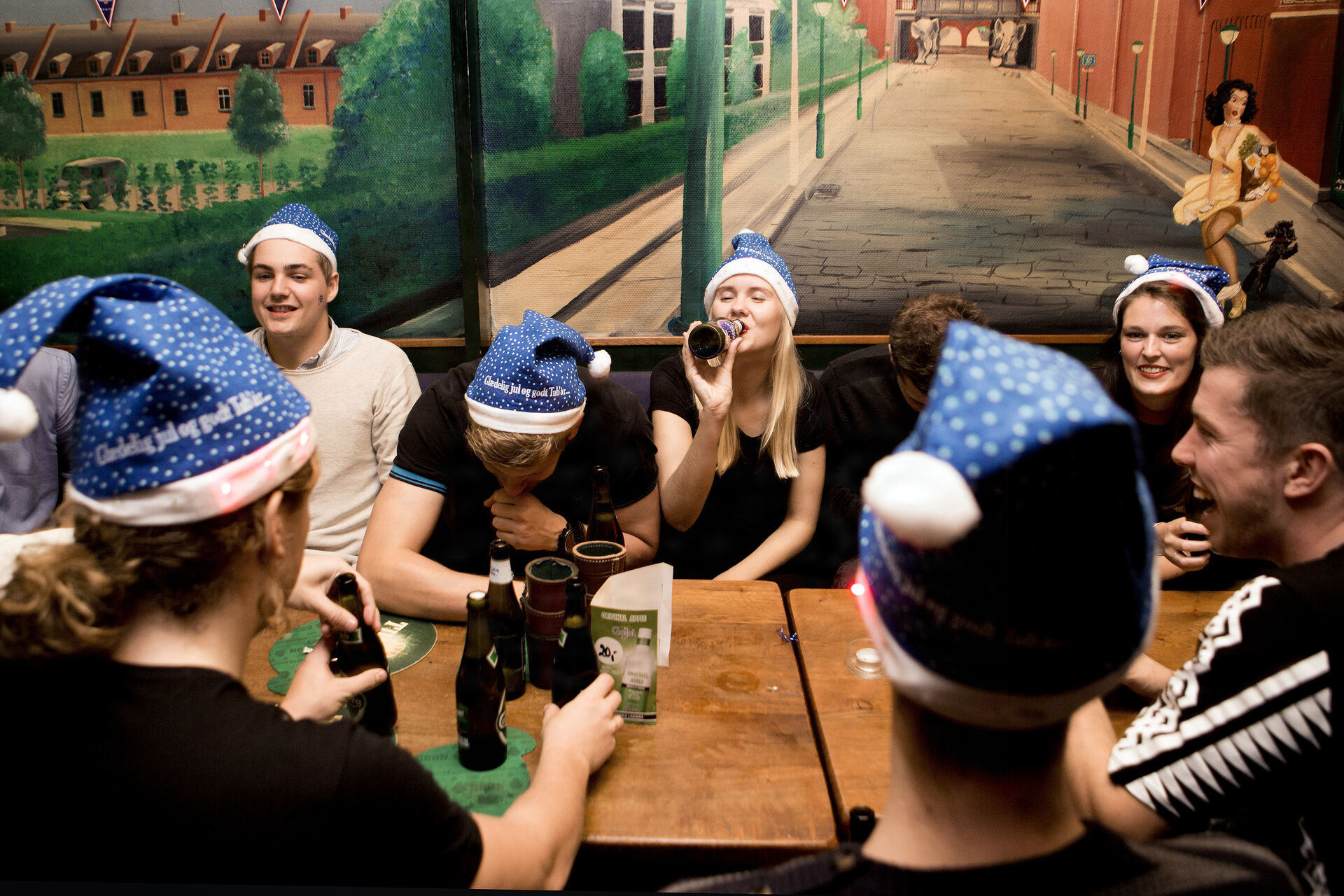
The first Friday in November is J-dag, the day when Tuborg releases its Christmas beer. Photo: Linda Kastrup/Ritzau Scanpix
J-Day, when the Christmas Beer is released
Bad behavior is the order of the day on the first Friday in November, when Danish breweries release the first bottles of their strong Christmas beer at precisely 20:59. Young people and other beer fans gather in bars and restaurants all over the country to await the release, often wearing blue Santa hats, and are usually pretty well-oiled before the Christmas bottle tops start popping.
Chaos sometimes ensues, and Danish police say it’s one of the busiest nights of the year. For people who like a party, this is an event you won’t want to miss. If you’re a quiet soul, it’s a good evening to stay home with a book.
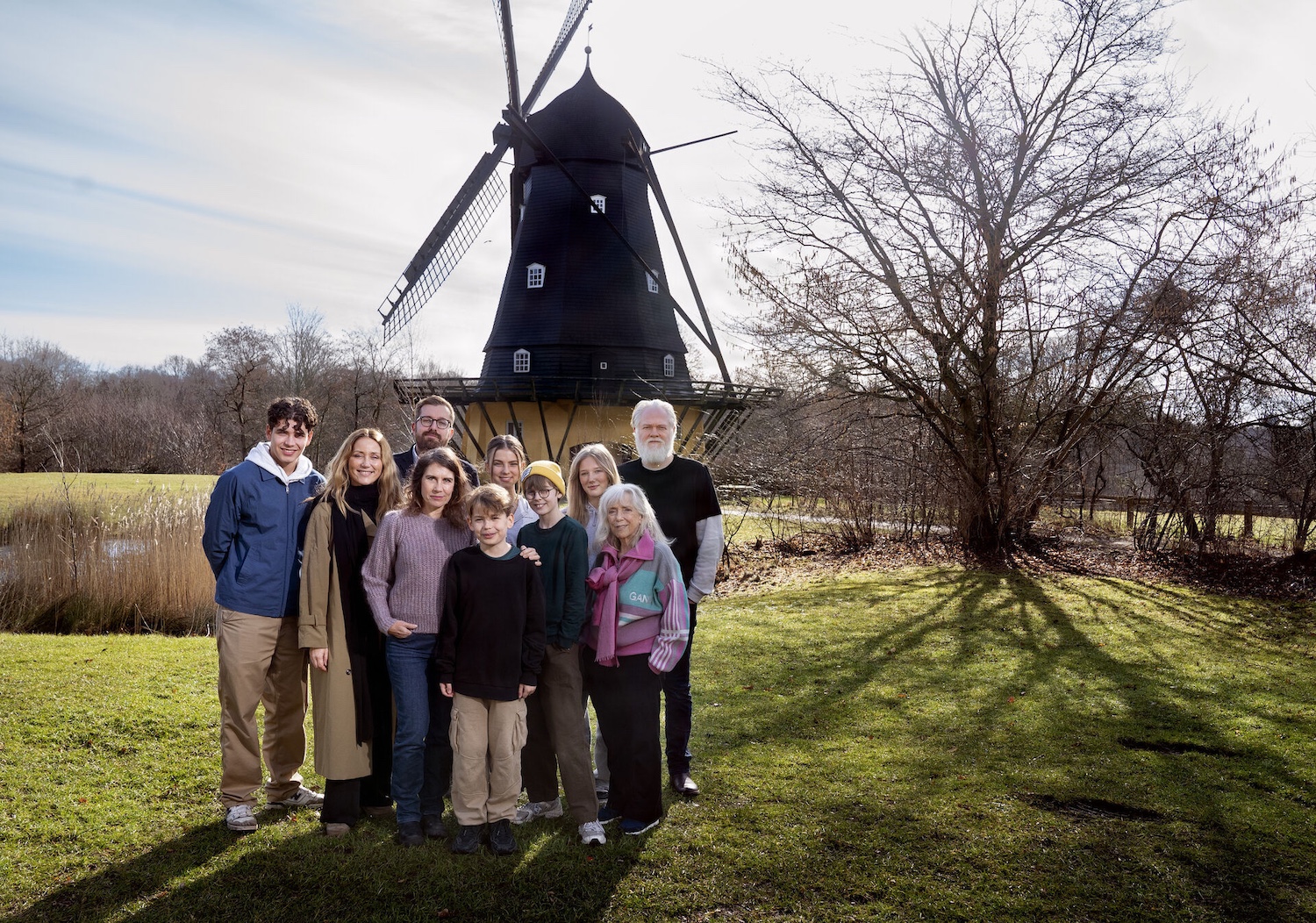
The cast of the 2022 Advent Calendar, The Secret of the Troll’s Heart. Photo: Liselotte Sabroe/Ritzau Scanpix
Christmas calendar on TV
December 1st is always the first day of the year Christmas calendaror Christmas calendar, series on Danish TV, with one episode every day until December 24th. The 15 to 30 minute episodes run in the early evening, right after dinner, and families in Denmark gather together to watch holiday stories told in a fantasy, adventure, or humorous context, usually featuring elves.
Advertising
The series are often re-run: one favorite is “Jesus and Josefine”, in which a contemporary Danish girl goes back in time to meet a young Jesus. If you’re not following the Christmas calendaryou’ll find yourself left out of the next day’s conversation at school or work.

Don’t be surprised if you see a lot of Danes out and about on Christmas Day. Photo: Ida Marie Odgaard/Ritzau Scanpix
The Christmas Walk
The classic Christmas celebrations in Denmark are held on Christmas Eve, when the family gathers to sing around the Christmas tree, attend a church service, enjoy a big meal, and exchange presents, in varying order depending on each family’s tradition. If there are very young children, an uncle or neighbor may be persuaded to dress up as Father Christmas, or Santa Claus, and make a quick visit.
Advertising
But what happens on Christmas Day itself? Lots of sleeping in and leftovers, and in the afternoon, if the weather permits, a family walk. It’s a cozy sight to look out the window on Christmas Day and see 10 to 15 family members, from grandparents to parents to teenagers to babies, bundled up for a nature walk in the crisp winter air.
Kay Xander Mellish’s new book, ‘The Danish Year: Twelve Months of Customs, Quirks, and Rhythms of Everyday Life’ is available on Amazon Kindle for DKK 35. Kay is the author of several books on Denmark, including ‘How to Work in Denmark’ and ‘How to Live in Denmark’ and is the voice behind the ‘How to Live in Denmark’ podcast.