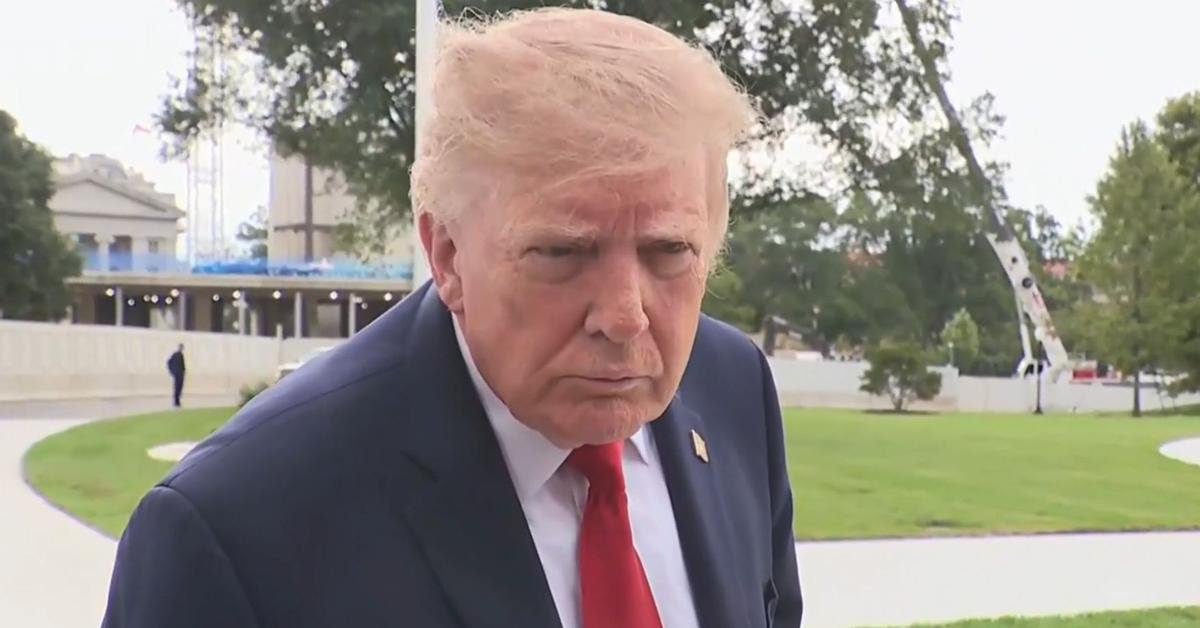
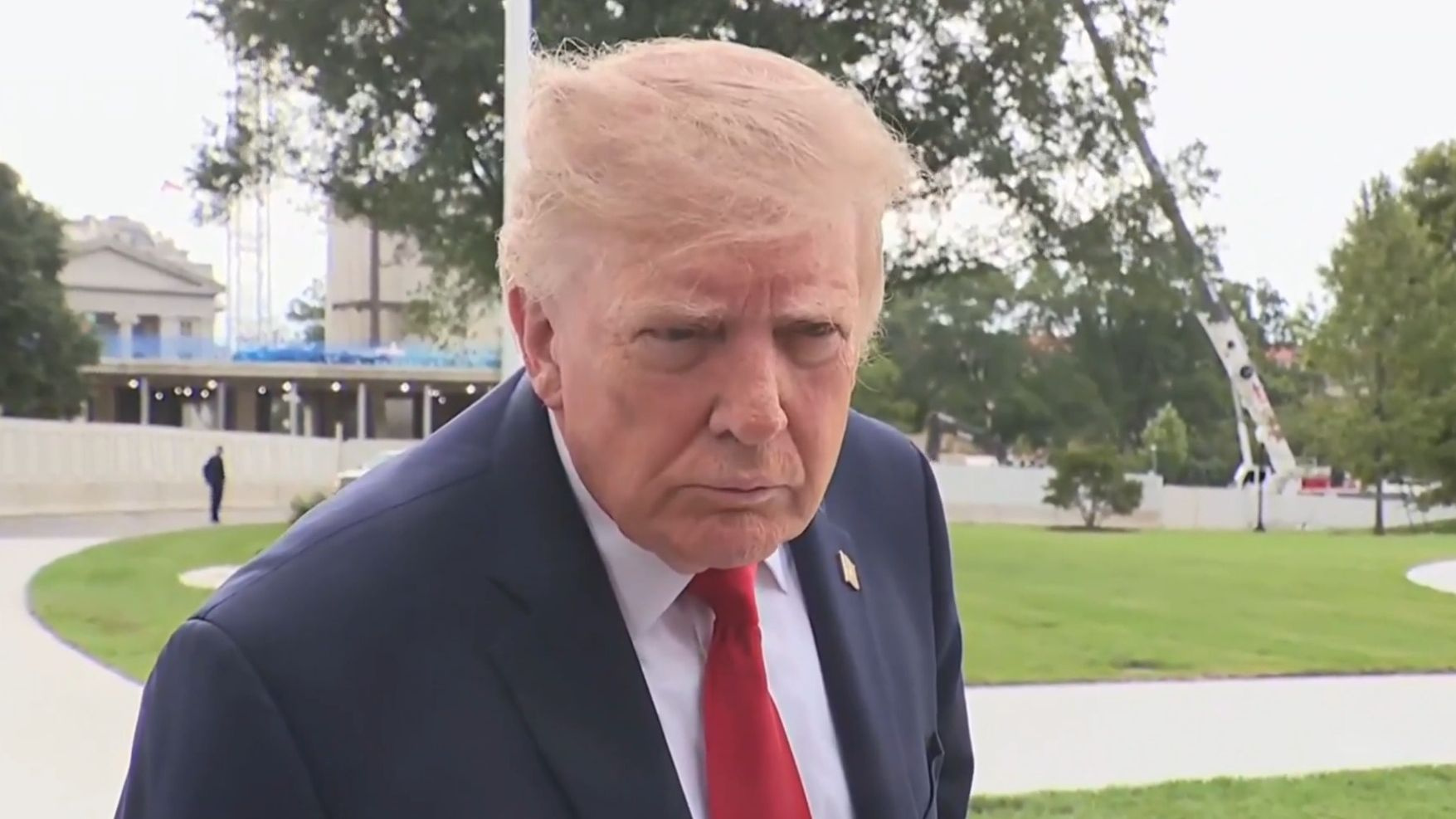
Havana/“I would say that Cuba and we will make a deal. I don’t think we need the military,” stated this Saturday Donald Trump before journalists at the White House, a day after CBS News published information about alleged preparations by the US Army Reserve to support the Southern Command in the face of a eventual contingency related to Cuba.
According to the internal document obtained by the chain, the evaluation contemplated military police, health, engineering and logistics units that could be available within a period of between 90 and 120 days. The text does not expressly mention Cuba nor does it contain deployment orders, but several US officials told CBS that it is part of planning linked to the Island.
In a second article published after the exclusive, CBS reduced the scope of that information. The network cited Brian Fonseca, a defense expert at Florida International University, who described the Army’s message as a planning exercise and “not necessarily an invasion order.” Fonseca also pointed out that the type of personnel requested can fit into an eventual humanitarian assistance operation and not exclusively into a combat action.
Cossío admitted that the solution is “far from what we want, but less than what some people in the United States might expect.”
CBS also indicated that senior Pentagon officials have examined different options related to Cuba, including scenarios that would involve an operation led by the Army, although the sources consulted insisted that there is no imminent action.
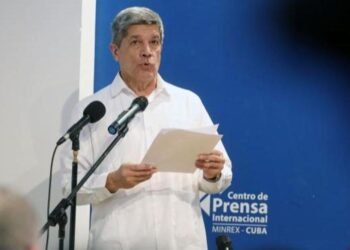
Havana, for its part, maintains a harsh discourse against Washington, but has also left the door open to dialogue. In an interview with Bloomberg published this Friday, Vice Minister of Foreign Affairs Carlos Fernández de Cossío accused the United States of applying a policy of “oppression and suffocation” against Cubans, but He assured that the Government does not want to wait for an eventual political change in Washington. “We want to reach a solution with the United States as soon as possible,” referring to the midterm elections in November. And he admitted: it is “far from what we want, but less than what some people in the United States might expect.”
In an interview with CBS about the possibility of military action against Cuba, State Department deputy spokesman Tommy Pigott avoided confirming or discarding that scenario and maintained that Trump has “a wide range of options” to defend the interests of the United States. At the same time, he expressed the Trump Administration’s willingness to work for change on the Island.
At a press conference in New York, the Secretary of State, Marco Rubio, once again pointed out that the Administration’s preferred option is dialogue and assured that Washington could even work with members of the Cuban Government. “Obviously, there are some individuals in that regime that we will never be able to work with because they have blood on their hands,” he added.