Belize’s power supply is under pressure, and the warning signs are getting harder to ignore. The country imports more than half of its electricity from Mexico, which means a surge in demand across the border can leave Belize scrambling to keep the lights on. At the same time, hotter and drier conditions are threatening hydroelectric production here at home. Add BEL’s multimillion-dollar debt for imported energy, and the challenge becomes even more urgent. Belize knows it needs greater energy independence. The real question is whether the country can achieve it before climate pressures, rising costs and an unreliable supply push the system to its limits. Tonight, we examine what is putting Belize’s electricity supply at risk and what it will take to secure the country’s energy future.
Paul Lopez, Reporting
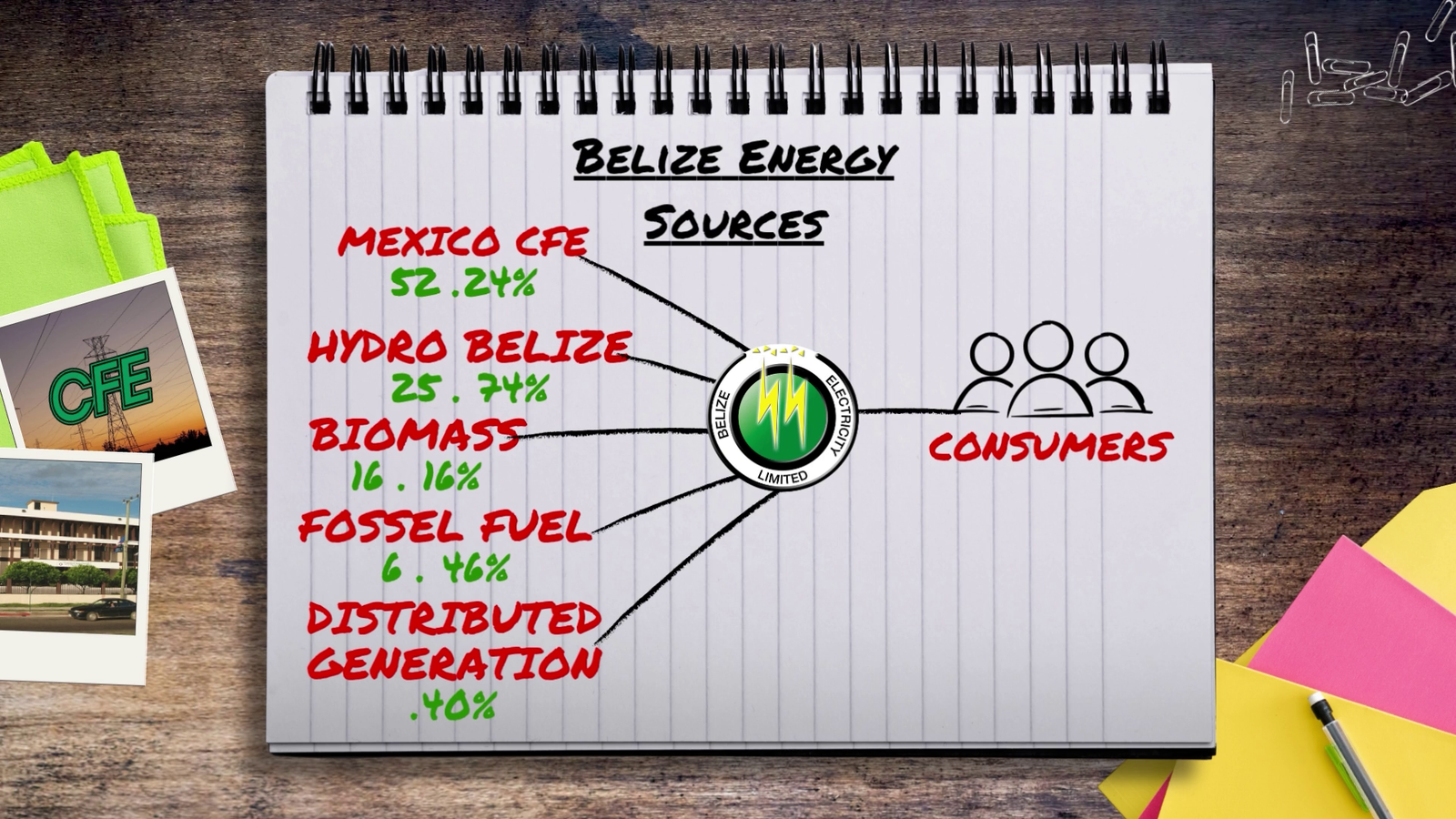
Every time Belizeans switched on a light, powered up a business or plugged in an appliance last year, there was a good chance that electricity came from across the border. Mexico supplied more than fifty-two percent of the seven hundred and twenty gigawatt-hours Belize consumed. Hydro Belize produced roughly one-quarter, biomass generators contributed sixteen percent, and fossil fuels supplied about six percent. Those figures reveal just how heavily Belize still depends on imported energy to keep the country running.

Michel Chebat
Michel Chebat, Minister of Public Utilities (File: Aug 24th, 2026)
“Belize continues to depend heavily on imported electricity, particularly from Mexico. That interconnection remains extremely important to electricity system.”
 Belize’s dependence on a single foreign supplier has put the country at risk. Consumers continue to face power outages as CFE curtails its power supply to Belize due to high demand in Mexico. That electricity comes at a high cost, leaving BEL tens of millions of dollars in debt.
Lynn Young
Lynn Young, Executive Chairman, BEL (File: Aug 24th, 2026)
“In early January it was about fifty-five million dollars. I think the last time I saw it was thirty million, of which maybe about twenty is overdue.”
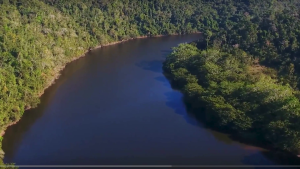 Belize wants to break its heavy dependence on Mexican electricity, but time may not be on its side. The government says it is working to expand local generation, even as a growing climate threat puts the country’s largest domestic power source at risk. Chief Meteorologist Ronald Gordon warns that a strengthening El Niño could bring hotter days and less rainfall, potentially reducing the water needed to generate hydroelectricity.
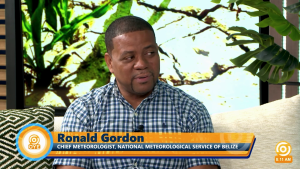
Ronald Gordon
Ronald Gordon, Chief Meteorologist
“We already are experiencing issues with our electricity, our energy and that is what we had been informing from the beginning of this season that we will be seeing these rolling blackouts, because we depend on Hydro Electricity a lot, even when we purchase from Mexico, we are purchasing what they have which is basically hydro, and of course it is a regional problem. Mexico is suffering problems. We have our neighbors in El Salvador who declared drought issues and Panama as well. So, it’s a regional issue. And we will be seeing further issues when it comes to the electricity distribution, the amount of energy that we can have and that will be another factor.”
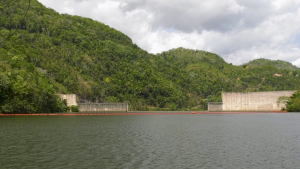
And, less rain means lower river levels, reducing the amount of electricity hydro facilities can generate.
 Ronald Gordon
“There is a higher demand and less of it. So, it creates a real issue. It is hotter so it creates more demand especially for cooling. So, there is a system already being strained by the lack of the resources we need for it, the water. The dams need water. So, there is already a strain there and higher demand, which creates a real problem.”
Climate experts have sounded the alarm since early 2026, and the threat is now becoming harder to ignore. Belize needs more electricity, relies heavily on Mexico and could soon face drought conditions that weaken local generation. Together, those pressures are putting the country’s energy future at risk. Reporting for News Five, I am Paul Lopez.
Attention readers: This online newscast is a direct transcript of our evening television broadcast. When speakers use Kriol, we have carefully rendered their words using a standard spelling system.