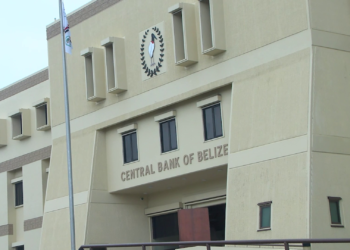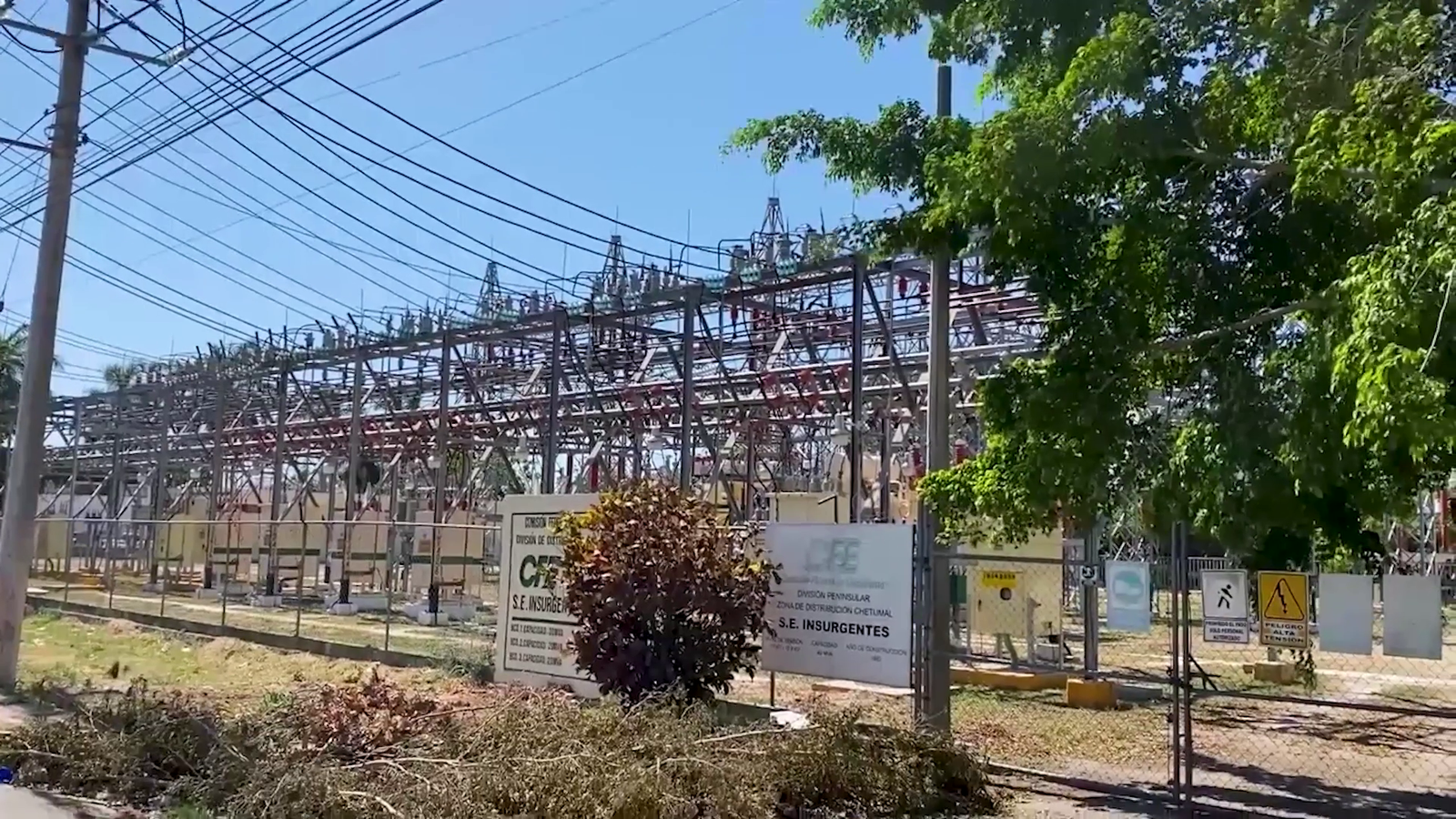
BEL owes Mexico’s state-owned energy supplier tens of millions of dollars, and the company admits it simply does not have enough money to cover all its expenses. So how is it keeping the lights on? Executive Chairman Lynn Young revealed today that the Briceño administration has been helping BEL meet some of its financial obligations.
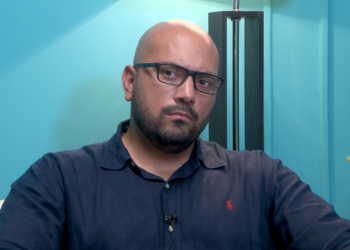
Lynn Young
Lynn Young, Executive Chairman, BEL
“In early January it was about fifty-five million dollars. It is down to I think, the last time I saw it was thirty million dollars of which maybe about twenty is overdue. We have been in conversation with them continuously and we have been bringing it down this year, with the health of the government. It is pretty straightforward, the cost of power for many months have been higher than the electricity rate. To give an example, the company collects about six million dollars a week for all the revenue and the diesel alone is about three million dollars a week right now. So, we have to prioritize paying CFE, paying Hydro Belize, the diesel and of course we have employees we have to pay. We have contractors to pay. So it boils down to us using up all the resources and that is how the company ended up in that position. We have to bring down the cost of power. I think the COPA adjustment will help, but its not, for example last month alone the extra cost was like four and a half cents per kWh hour, the COPA is just one and a half cents. So we will have to find that extra three cents. For that month, we are probably short about five million dollars and again, open, the government has been assisting us in meeting some of these bills.”
 BEL’s Power Crisis Exposes Belize’s Energy Weaknesses
Belize’s energy sector is in crisis. BEL faces mounting debt to Mexico’s CFE, an increasingly unreliable supply from across the border and limited generating capacity at home. But how did the country reach this point, and what must change to prevent it from happening again? We put those questions to BEL Executive Chairman Lynn Young.
Lynn Young
Lynn Young, Executive Chairman, BEL
“And I know that is a legitimate question for you guys to ask, and my experience is that people make the best decisions based on information they have at the time. Nobody could have known that CFE would be having problems. I did not expect that either because it is such a big system and they are an energy rich country. So, nobody could have predicted that. So to the extent that we relied on CFE heavily, I could understand why people made that decision. Again, it has been a while since we added generation to our system, it might have looked like a good decision back then because CFE was cheap and reliable, but now when CFE is not working. But we all make decisions based on the information we have at the time. So, I don’t care to go back and see that was not a good decision. That was a bad leadership decision. We have to look forward and move forward with what we have now. You play dominoes. You know what they say, you have to play the hand you deal with.”
Paul Lopez
“You count as well, you count the board and you kind of predict what is ahead.”
Lynn Young
“And you make a mistake you just have to.”
Paul Lopez
“The best ones don’t usually make those mistakes, that is why they are the best.”
Lynn Young
“Everybody lose sometimes man.”
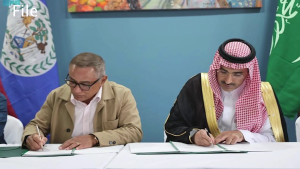 Three Years Later, Belize’s Energy Plan Still Awaits Saudi Funding
Belize is counting on a seventy-seven-million-dollar solar project to strengthen the national power supply, but the funding remains on hold. The Briceño administration signed the agreement with Saudi Arabia in 2023, and many Belizeans are now asking when the money will arrive. Public Utilities Minister Michel Chebat says the deal must first clear a lengthy Saudi approval process.
Michel Chebat
Michel Chebat, Minister of Public Utilities
“I think government has undertaken huge projects over the last seven years and we have successfully implemented them. Unfortunately, the Saudi’s have a longer procurement process and more conditions you have to fulfill. As a matter of fact, I think one of their conditions is that you have to use Saudi engineers for many aspects of this project. So that is a little more involved. But I can assure you that we have our thumbs on this and we are pushing it as fast as we can. That we wish we would have had it, yes, we want to have it, because as the ambassador indicated we have a shortage in the country. And we are working, as you know we just signed a hundred and twenty-five million dollar compact with the Millenium Cooperation and part of that really is to reduce the cost of power in this country and so all of these investments are geared towards that. That we want it today and we should have it today, yes absolutely.”
Attention readers: This online newscast is a direct transcript of our evening television broadcast. When speakers use Kriol, we have carefully rendered their words using a standard spelling system.
Watch the full newscast here: