Korea is leading laptops into the OLED era phones entered a decade ago
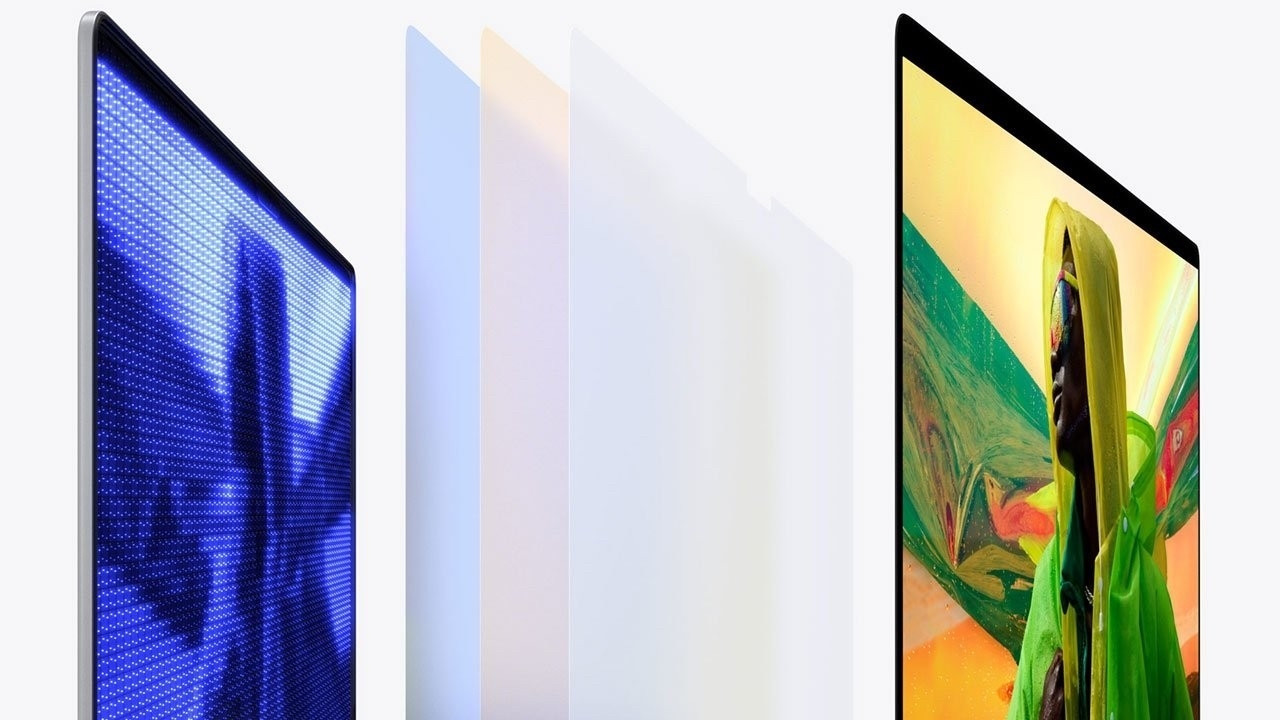
When Apple unveils its rumored 2026 MacBook Pro refresh this fall, the expected thinner, lighter design and M6 Pro silicon chip will get the headlines. But the more consequential change sits beneath the glass.
The Pro models are reportedly moving from mini-LED, the backlit technology Apple introduced in 2021, to OLED — the first fundamental display shift in nearly two decades. OLED pixels light themselves individually, delivering deeper blacks, higher contrast and thinner panels.
Apple adopted OLED in iPhones in 2017 and the iPad Pro in 2024, but waited to bring it to the Mac until laptop-sized OLED panels could be produced affordably at scale.
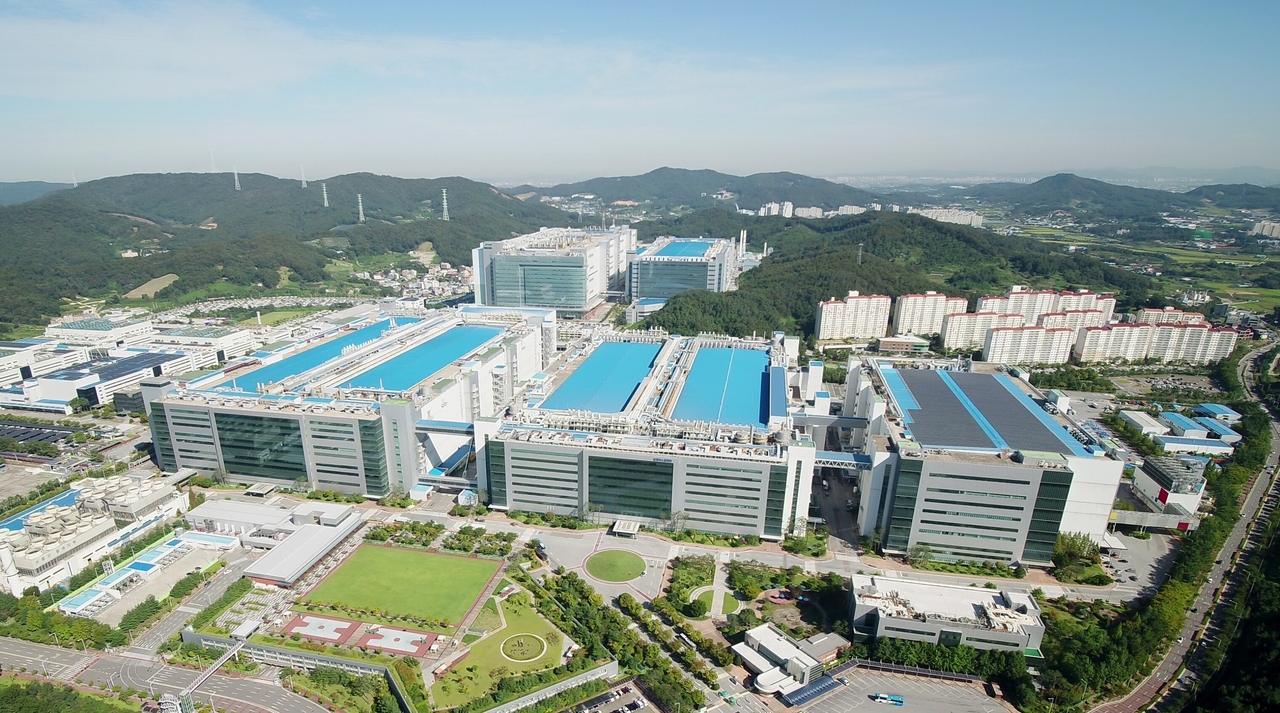
That moment has arrived. For now, only one factory in the world can make the panel at the quality Apple approves: Samsung Display’s A6 line in Asan, South Chungcheong Province.
The exclusivity will not hold forever. Industry researchers estimate Samsung Display is roughly two years ahead of Chinese rival BOE on the same wager, and whether that margin survives the next MacBook Pro cycle is the question the 2026 launch does not settle.
Why this one panel matters
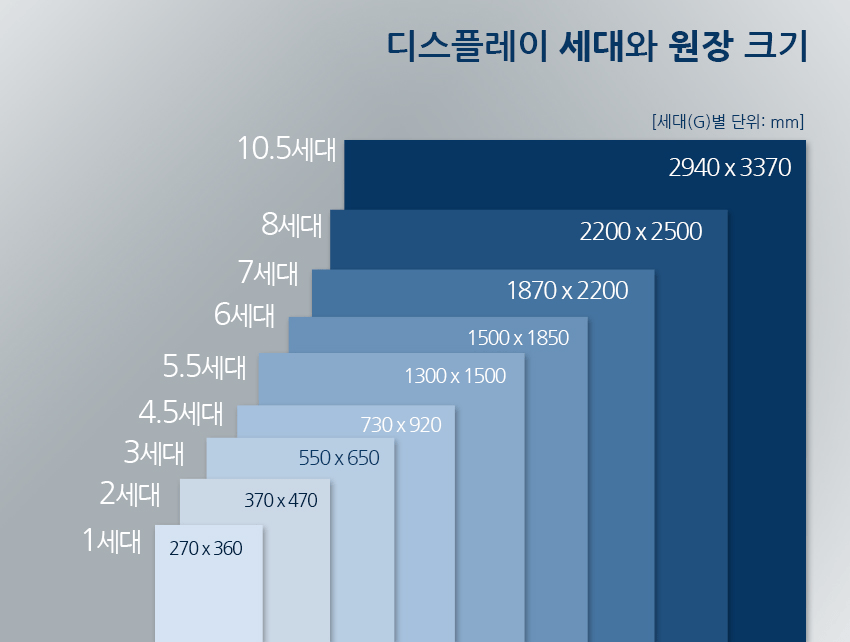
In display manufacturing, a “generation” relates to the size of the glass sheet a factory cuts panels from, with higher numbers meaning bigger sheets.
The A6 line Samsung Display is using for Apple is the industry’s first 8.6-generation OLED to reach commercial scale. Industry analysts say the development could be a “game changer” for laptops.
The economics are straightforward: The 8.6-generation sheets are more than double the size of the 6th-generation lines used in smartphones, which have smaller displays that can be cut more efficiently from smaller sheets.
At 8.6-generation scale, the per-panel cost of a laptop-size OLED drops toward LCD range for the first time.
Samsung Display committed roughly 4.1 trillion won ($2.8 billion) to the A6 line in 2023 and began shipping samples in January. By April, industry sources reported yields in the mid-80s, approaching the 90 percent threshold.
Apple’s 2026 order is estimated at 2 million panels.
Kim Jun-ho, an analyst at UBI Research tracking OLED supply chains, said the significance of adoption for the MacBook Pro extends beyond a single product cycle.
“8.6-generation investments are too large to survive without an anchor customer,” Kim said. “MacBook Pro adoption means the line is not just technologically feasible. It is commercially viable at the premium tier.”
Other laptop makers watch Apple closely.
“Once Apple qualifies an 8.6-generation panel, other OEMs are more likely to use that same benchmark,” Kim added.
Chinese panel makers have spent the past five years catching up in smartphone OLED. BOE now accounts for roughly 15 percent of global smartphone OLED shipments and, last year, briefly supplied panels for the iPhone 17 Pro.
But laptops are another challenge.
“The hardest problem in 8.6-generation IT OLED is oxide TFT (key display driving components) stability across a large panel,” said Park Jin-seong, an OLED display researcher at Hanyang University. “Large-area uniformity, threshold drift, long-term reliability — these are different challenges from smartphone OLED, and they are harder.”
Laptop panels run eight hours a day for five years. Holding brightness, color uniformity and power efficiency across that span is a measurably higher engineering bar than smartphones require.
BOE’s track record complicates its case. In late 2025, defects in its iPhone 15, 16 and 17 panels forced Apple to reassign orders to Samsung Display and LG Display. That history is likely to affect how Apple evaluates BOE for laptop panels.
Race starts with MacBook Pro
But BOE is not far behind. On April 2, the Chinese panel maker confirmed that it had sent its 8.6-generation panels for customer sample validation, and aimed to begin mass production in the second half of 2026.
Its planned capacity of 30,000 sheets per month at full buildout is double that of Samsung Display.
Lee Mi-hye, a senior researcher at the Export-Import Bank of Korea who authored a March 2026 report on OLED competitiveness, assessed taht Korea was roughly two years ahead of China in IT OLED. That is narrower than her 2023 estimate of three to four years. The figure has been widely read as evidence that China is closing in fast.
Lee said the narrowing is real but the interpretation is often wrong.
“OLED is a made-to-order business, not a commodity like mature LCD,” Lee said. “Two years is often misread as near-parity. It isn’t. What China hasn’t shown is the full package — yield, reliability, delivery — at the standards premium customers demand.”
At the same time, the threat to Korea may not come from China matching its quality, but from China competing on a different front entirely, warned Kim of UBI Research.
“The real risk to Korea is not losing Apple,” Kim said. “It is that Samsung Display uses Apple to establish the premium standard, and then BOE, with more capacity and lower costs, takes the tiers below.”
mjh@heraldcorp.com