Diabetes has quietly become one of the defining health challenges of this decade, and the numbers behind it are startling once you look closely. Worldwide, roughly one in nine adults between the ages of 20 and 79 is now living with the condition, a figure that keeps climbing year after year. What’s less commonly discussed is just how unevenly this burden falls across the map, with certain nations facing rates that dwarf the global average by a factor of two or three.
Pakistan
Pakistan (Image Credits: Unsplash)
Pakistan sits at the very top of the global diabetes rankings, and by a wide margin. According to the latest IDF Diabetes Atlas data for 2024, the highest age-standardised diabetes prevalence rates in 2024 were reported in Pakistan (31.4%), Marshall Islands (25.7%), and Kuwait (25.6%). That means nearly a third of the adult population is affected, a share unmatched anywhere else on earth.
The trajectory only points upward. Projections suggest Pakistan reaching 34.2% by 2050, keeping it firmly in first place for decades to come. Researchers have also noted that Pakistan is predicted to overtake the USA in the ranking of the estimated number of people with diabetes by 2050, a shift driven by both population growth and rising prevalence.
Marshall Islands
Marshall Islands (Image Credits: Pixabay)
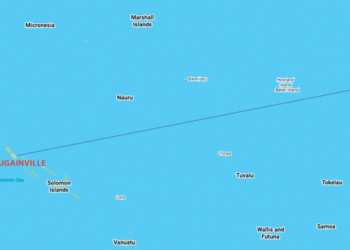
The Marshall Islands, a small Pacific nation, holds the second spot on the global list. Current IDF figures place its age-standardised diabetes prevalence at 25.7% in 2024, an extraordinary rate for a country with such a small population. Genetics, limited access to fresh produce, and a heavy reliance on imported processed foods all play a role in island nations like this one.
Looking ahead, the outlook doesn’t improve much. The Atlas projects the Marshall Islands reaching 28.7% by 2050, keeping it among the top handful of countries worldwide. It’s a pattern seen repeatedly across the Pacific, where geographic isolation and food security challenges compound the risk.
Kuwait
Kuwait (Image Credits: Pixabay)
Kuwait rounds out the current top three, with a 2024 prevalence rate that places it firmly among the world’s most affected nations. The IDF Atlas reports Kuwait’s age-standardised diabetes prevalence at 25.6% in 2024. Wealth and rapid modernization have brought sedentary lifestyles and calorie-dense diets, both closely linked to rising type 2 diabetes cases across the Gulf region.
Kuwait’s situation isn’t isolated within its own borders either. The country has also ranked among nations with the highest proportion of total deaths associated with diabetes, underscoring how the disease touches nearly every corner of public health there. Local health authorities have invested heavily in screening and awareness campaigns, though the scale of the challenge remains significant.
Kiribati
Kiribati (Image Credits: Pixabay)
Kiribati, a chain of low-lying atolls in the central Pacific, consistently appears near the top of every diabetes ranking. Recent IDF factsheet data lists Kiribati’s age-standardised prevalence at 24.6% for 2024, projected to rise to 28.5% by 2050. That trajectory would push it into direct competition with the Marshall Islands for second place globally.
The reasons echo those found across much of Oceania: limited arable land, dependence on shipped-in food staples, and a genetic predisposition toward insulin resistance that researchers have documented in several Pacific populations. Public health officials in Kiribati have flagged diabetes as a leading cause of premature death, particularly among adults under 60. The small population size means individual cases carry outsized weight in national health statistics, but the underlying trend is real and well documented.
French Polynesia

French Polynesia (Image Credits: Pexels)
French Polynesia, the group of islands that includes Tahiti, has long struggled with some of the highest diabetes rates recorded anywhere. The most recent IDF figures put its age-standardised prevalence at 22.8% in 2024, with a slight projected increase by mid-century. Earlier editions of the Atlas had ranked it even higher, at one point placing it in second position globally.
Dietary shifts over the past several decades explain much of this. Traditional diets rich in fish and local produce have given way to imported, processed alternatives, a change mirrored across many French overseas territories. Health officials there have prioritized diabetes screening programs, though geographic dispersion across dozens of islands complicates consistent care delivery.
New Caledonia
New Caledonia (Image Credits: Unsplash)
New Caledonia, another French Pacific territory, sits close behind French Polynesia on the global list. The latest data places its age-standardised diabetes prevalence at 22.0% for 2024, with projections showing a modest climb toward 23.3% by 2050. Like its regional neighbors, the territory lacks extensive in-country data sources, meaning some of its figures are extrapolated from comparable populations.
Nickel mining dominates the local economy, and the resulting urbanization has reshaped daily life for much of the population. Traditional Kanak dietary patterns have shifted considerably over the past two generations, a change researchers frequently cite when explaining the territory’s persistent diabetes burden. Local clinics report growing demand for chronic disease management services as the population ages.
Nauru
Nauru (Image Credits: Pixabay)
Nauru is one of the smallest countries in the world by population, yet it has featured among the highest diabetes rates on the planet for years. Earlier IDF Atlas editions placed Nauru’s comparative diabetes prevalence at 23.4% in 2021, with projections toward 26.2% by 2045. Given the consistency of this trend across editions, Nauru remains firmly entrenched among the world’s ten most affected nations.
The island’s history offers some explanation. Decades of phosphate mining wealth brought rapid dietary change, replacing traditional fishing and farming with imported, highly processed foods. Obesity rates on Nauru are also among the highest recorded globally, a factor closely tied to the diabetes figures that continue to place it near the top of international rankings.
Northern Mariana Islands
Northern Mariana Islands (Image Credits: Unsplash)
The Northern Mariana Islands, a U.S. commonwealth in the western Pacific, has repeatedly appeared in the same tier as Nauru and New Caledonia. IDF data from recent editions shows a comparative diabetes prevalence of 23.4% in 2021, with projections reaching 26.2% by 2045. As with several other territories on this list, in-country data can be limited, so estimates sometimes rely on extrapolation from similar regional populations.
Tourism and imported goods have reshaped local diets considerably over the past few decades. Fast food and sugar-sweetened beverages are now widely available and heavily consumed, echoing patterns seen throughout the wider Pacific. Health officials on the islands have called for expanded screening, though resources remain limited given the small population base.
Mauritius
Mauritius (Image Credits: Pexels)
Mauritius stands out as the African nation most consistently listed among the world’s highest diabetes rates, a distinction confirmed across multiple data sources. National survey data indicates the prevalence of type 2 diabetes accounts for 19.9% in Mauritius, affecting one in every five Mauritians. Earlier IDF comparative figures had placed the island even higher, near 22.6%, reflecting some variation in methodology between national surveys and international estimates.
Diabetes carries serious weight in Mauritian public health more broadly. It ranks as the second leading cause of mortality after cardiovascular diseases according to the country’s most recent health statistics report. The island’s multiethnic population, combined with a genetic predisposition documented in several South Asian ancestry groups, has made diabetes prevention a national health priority for years.
Egypt
Egypt (Image Credits: Unsplash)
Egypt is the most populous country to appear on this list, meaning its diabetes burden touches tens of millions of people directly. Regional comparisons place Mauritius and Egypt among the highest diabetes prevalence rates in Africa, at 22.60 percent and 20.90 percent respectively. Given Egypt’s population size of over a hundred million, even a rate in that range translates into an enormous absolute number of cases.
Urbanization and dietary shifts across Egypt’s growing cities have driven much of this increase over the past two decades. Sedentary work patterns, combined with diets increasingly centered on refined carbohydrates, mirror trends seen throughout much of the Middle East and North Africa region. The IDF has consistently flagged the MENA region as carrying one of the heaviest comparative diabetes burdens of any part of the world, and Egypt’s numbers reflect that broader regional pattern closely.
Taken together, these ten countries illustrate a pattern that stretches from small Pacific atolls to some of the world’s most populous nations. Small island states face unique pressures tied to food imports and limited agricultural land, while larger countries like Pakistan and Egypt grapple with rapid urbanization and shifting diets at massive scale. The common thread across nearly every case is a shift away from traditional, lower-processed diets toward calorie-dense, imported alternatives, paired with declining physical activity as economies modernize. Public health researchers continue to stress that prevention strategies need to be tailored to each region’s specific circumstances rather than applied as a one-size-fits-all approach.